
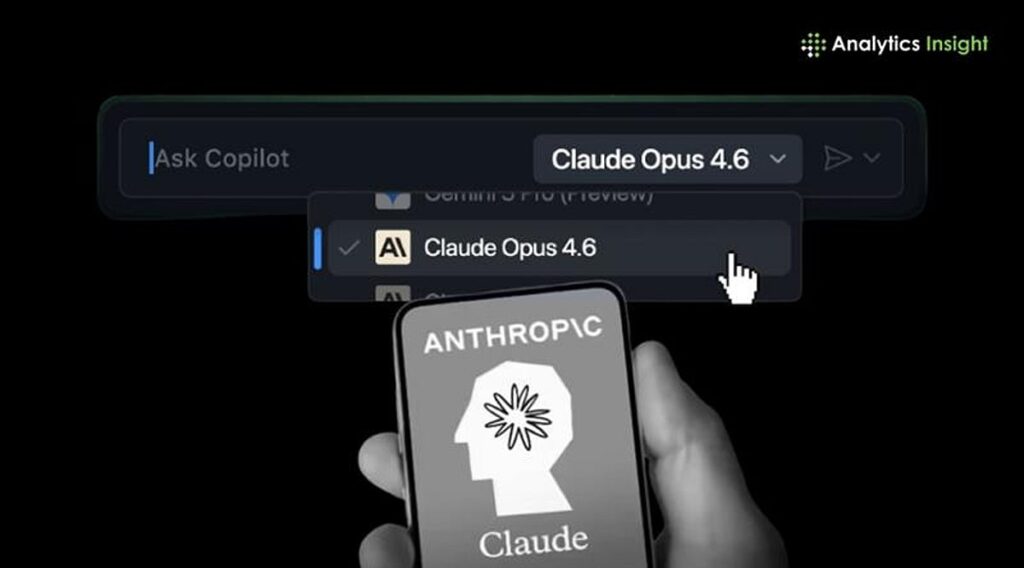
In the rapidly evolving landscape of artificial intelligence and automation tools, business leaders must navigate a complex matrix of options to enhance operational efficiency and productivity. Among the frontrunners in this arena are Opus 4.6 and OpenAI’s GPT-5.2, two AI models that have recently emerged as significant players in the industry. Initial benchmarking tests suggest that Opus 4.6 has outperformed GPT-5.2 in key knowledge work tasks spanning various sectors, including finance and law. This marks a pivotal moment for small and medium-sized businesses (SMBs) seeking to optimize their workflows and decision-making processes.
The performance disparity becomes particularly evident when examining the capabilities of these models in tackling complex problems. Michael Truell, co-founder and CEO of AI-focused coding company Cursor, highlights that Opus 4.6 excels at “harder problems.” This assertion is not merely anecdotal; it is corroborated by evidence of enhanced code review processes and an improved ability to remain committed to long-horizon tasks that often leave competitors struggling to maintain effectiveness. This adds an extra layer of significance for SMB leaders, as the ability to produce consistent and quality output over prolonged engagement is often a differentiator in competitive markets.
In terms of practical applications, Opus 4.6’s integration within tools like PowerPoint allows for seamless functionality in creating and editing presentations. This is particularly advantageous for organizations that rely on visual communication to convey analytical data, market reports, or internal assessments. Such capabilities extend to the automation of regulatory filings and financial analysis, making it an invaluable resource for decision-makers in finance and law. The potential for Opus 4.6 to streamline these tasks presents a compelling return on investment (ROI) for SMBs, allowing them to redirect human resources towards more strategic initiatives.
Contrast this with the functionalities of GPT-5.2, which, while advanced, may not deliver the same depth of efficiency in sustained high-complexity tasks. SMB leaders must assess whether the incremental benefits of utilizing GPT-5.2 justify the costs, especially in scenarios where critical decision-making hinges on the timely and accurate processing of intricate information. This evaluation process becomes increasingly important as companies seek to allocate their budgets effectively, weighing the costs of AI solutions against potential gains in productivity and output quality.
An analysis of cost dynamics reveals that while both Opus and OpenAI models carry significant financial investments, their respective ROI can vary dramatically based on the specific use cases and the scale at which they are deployed. For small firms or startups operating on lean budgets, smaller-scale implementations of Opus 4.6 tailored to address specific needs like automated reporting or data analysis may yield higher returns than broader applications of GPT-5.2, which may require more extensive resources and could lead to diminishing returns in efficiency for smaller tasks.
Scalability is another critical aspect for SMB leaders to consider. Opus 4.6 appears to be designed with scalability in mind, potentially offering robust frameworks for businesses looking to increase utilization as they grow. This contrasts with GPT-5.2, which, despite its strong capabilities, may not adapt as seamlessly across a diverse array of tasks that require collaborative and sustained cognitive engagement. The challenge of scaling up depends not only on technology adaptability but also on the organization’s ability to effectively integrate AI solutions into existing workflows.
Given these factors, it is prudent for SMB leaders to take a methodical approach to adopting AI and automation tools. First, identify clear business objectives that you aim to achieve with AI integration, be it improved efficiency, reduced operational costs, or enhanced service capabilities. Next, assess the specific needs of your organization — which tasks are most time-consuming and impact productivity the most? Evaluate both Opus 4.6 and GPT-5.2 against these criteria, weighing their strengths in solving targeted problems.
Furthermore, conducting pilot programs can offer valuable insights into the effectiveness of these models before committing fully. Such trials can help organizations measure actual output against initial ROI projections, allowing for informed decisions about scaling the technology across the organization.
FlowMind AI Insight: As SMB leaders explore AI and automation tools, it is vital to align technology capabilities with organizational goals. The difference between automation success and a missed opportunity often hinges on selecting the right solution for specific business challenges. Therefore, adopting an analytical approach grounded in data will ensure that investments in these advanced technologies yield the desired outcomes.
Original article: Read here
2026-02-06 06:45:00