
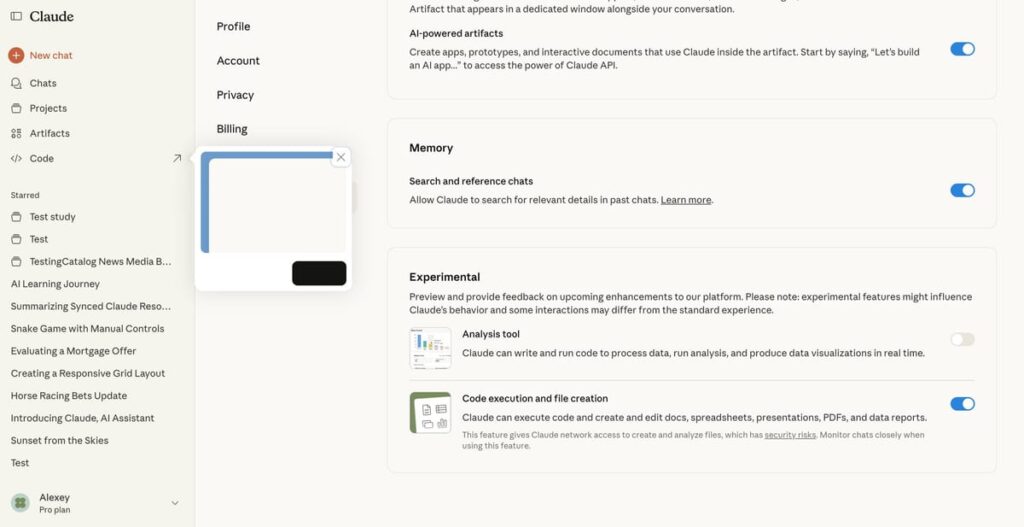
Anthropic, a prominent player in the artificial intelligence landscape, is on the verge of launching Claude Code, a feature poised to cater specifically to the needs of developers and technical teams. Recent discoveries in the codebase indicate that users will see a new Code link within the Claude web app, directing them to a dedicated interface for scheduling coding tasks, managing development environments, and integrating GitHub repositories. The implications of this feature are significant, particularly as early indications suggest that it may also extend to mobile platforms, hinting at a strategic rollout that aims to capture a larger user base.
The appearance of a potential waitlist for Claude Code is noteworthy, indicating that initial access may be limited. This approach mirrors the phased rollouts seen with other prominent platforms, allowing Anthropic to manage user demand effectively. Limiting access can also provide valuable insights from early users, enabling the development team to refine the tool based on real-world usage before a broader launch. Such controlled testing aligns well with industry practices for implementing new features, ensuring stability and user satisfaction.
In terms of user engagement, Claude Code is expected to appeal primarily to developers searching for alternatives to established coding tools such as OpenAI’s Codex or Microsoft’s Visual Studio IntelliCode. These competitive platforms each have unique strengths and weaknesses that can impact return on investment (ROI) and long-term scalability for small to medium-sized businesses (SMBs).
OpenAI’s Codex has gained traction for its robust capabilities, powering various applications ranging from code completion to natural language processing for coding queries. However, it operates within the broader ChatGPT ecosystem, which could raise concerns about data privacy and dependence on a large external framework. For SMBs, incorporating Codex may require navigating nuanced pricing structures, which can affect profitability, especially for smaller operations with limited budgets.
On the other hand, Anthropic’s Claude Code appears to be engineered with a clear focus on integrating seamlessly with existing developer workflows. By offering collaborative programming capabilities, environment management, and GitHub integration, Claude Code positions itself as a versatile tool tailored to the practical needs of developers. This user-centric design could enhance productivity, minimize ramp-up times, and ultimately yield stronger ROI as developers can focus on building rather than configuring.
When comparing costs and scalability, both Claude Code and OpenAI’s offerings warrant close scrutiny. While initial access may be free for early adopters on the waitlist for Claude Code, future pricing models remain uncertain. The gradual rollout strategy suggests that early feedback will play an essential role in shaping future commercial structures, meaning that the eventual costs could be optimized for target users. As for OpenAI, its subscription-based pricing introduces predictable cost structures, although extended enterprise features can escalate quickly, potentially limiting its attractiveness to SMBs.
Moreover, Anthropic’s commitment to responsible AI aligns with a growing trend among SMBs prioritizing ethical considerations in technology choices. The emphasis on safety and transparency in Claude Code could appeal to organizations that view ethical AI use as a critical component of their own brand value. This choice not only infuses practitioners with confidence in their toolset but can also enhance customer perceptions.
As Claude Code nears its official launch, it will be essential for SMB leaders to consider their specific requirements and the competitive landscape when evaluating AI development tools. Factors like team size, project scope, and long-term strategy should inform the decision-making process. Organizations currently aligned with OpenAI or similar platforms might benefit from trialing Claude Code to assess its compatibility and functionality against existing workflows.
FlowMind AI Insight: As the AI landscape evolves with tools like Claude Code entering the fray, SMB leaders should remain vigilant in assessing how new offerings align with their operational objectives. The potential for improved productivity through specialized platforms may outweigh traditional solutions, making careful evaluation and testing crucial for strategic growth and technology investment.
Original article: Read here
2025-10-16 11:45:00