
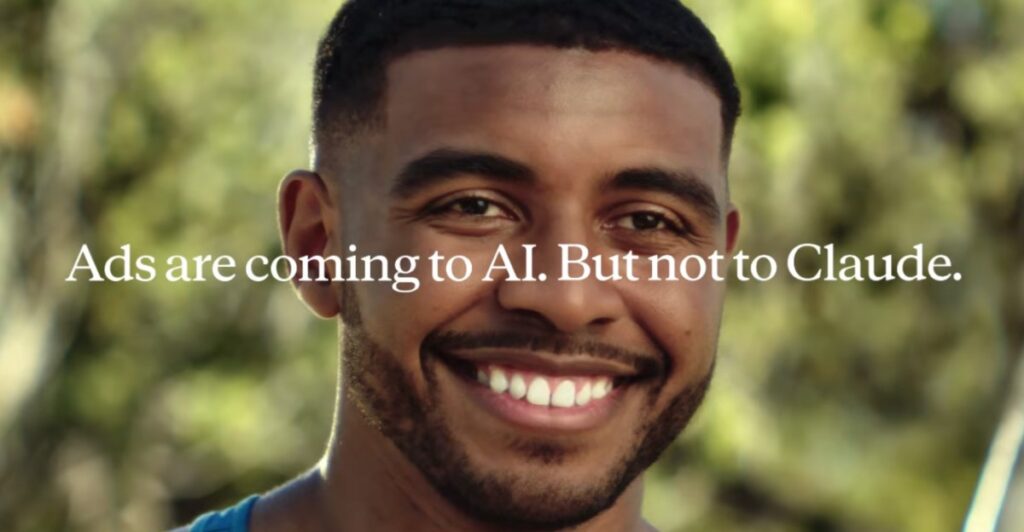
In an evolving landscape defined by artificial intelligence and automation, companies such as Anthropic and OpenAI are navigating their strategies with distinctly different approaches, particularly regarding the monetization of their platforms. Anthropic’s recent announcement that its AI chatbot, Claude, will remain free of advertisements starkly contrasts OpenAI’s confirmed plans to integrate advertising into its ChatGPT product. This divergence raises critical questions for small and medium-sized business (SMB) leaders and automation specialists about the implications of such choices for user experience, return on investment (ROI), and long-term scalability.
Anthropic’s decision to eschew ads, as articulated in their blog post, underscores their commitment to providing users with unambiguous value. By explicitly stating that Claude will not feature “sponsored” links or third-party product placements, Anthropic positions Claude as a tool focused on serving user interests above all else. This strategy minimizes potential distractions for users—particularly when seeking assistance on sensitive topics, such as health issues or productivity-related queries. For SMB leaders, this user-centric approach could foster a more reliable and trustworthy relationship with artificial intelligence tools. The absence of advertising could ensure the recommendations made by Claude are devoid of external biases, leading to more accurate and helpful outputs.
On the flip side, OpenAI’s approach to monetization demonstrates the challenging balancing act between operating costs and user engagement. The introduction of ads for free users or those on lower-tier subscriptions presents a means to generate revenue while potentially maintaining affordability for a broader user base. OpenAI asserts that the ads will be “clearly labeled” and separate from chatbot answers to mitigate user frustration. However, the effectiveness of this labeling remains to be seen, as users’ experiences with intrusive advertising often vary greatly depending on execution. For automation specialists, this presents an essential consideration when evaluating the trade-offs between cost, user experience, and functionality. Businesses must assess whether the additional revenues generated through advertising will ultimately outweigh the potential backlash from users seeking uninterrupted, high-quality interactions.
When comparing the two platforms, several factors come into play, including costs, ROI, functionality, and user experience. Anthropic’s Claude, with its ad-free model, could appeal to businesses prioritizing a seamless and unobstructed interaction with AI. This clarity can enhance productivity, as employees can focus on tasks without the cognitive load introduced by advertisements. However, the sustainability of this model in terms of operational costs remains uncertain. If advertising is a significant revenue source in the AI space, Anthropic may face financial pressures if it aims to grow its user base without sufficient monetization strategies.
On the other hand, OpenAI’s monetization strategy might yield short-term gains, but it raises questions about long-term user loyalty. If clients perceive AI interactions to be laden with advertising, they may pivot to alternatives that promise an ad-free experience. The balance between operational revenue generation and maintaining a loyal user base will be crucial for OpenAI in scaling its offerings. Ultimately, the decision may revolve around how these approaches resonate with target audiences: whether they prioritize a high-quality user experience over cost, or the ability to leverage a widely adopted platform at an affordable price—even when interspersed with advertising.
AI and automation tools are critical in enhancing business efficiency. Comparison models such as Make versus Zapier also highlight the importance of these trade-offs in choices SMBs confront daily. Make, known for its extensive customization capabilities, might appeal to businesses requiring tailored solutions, whereas Zapier’s straightforward integration may serve those who value speed and ease of use. In making these decisions, SMB leaders must consider the total cost of ownership, including hidden costs such as employee training and ongoing maintenance.
As the competition between AI platforms intensifies, companies like Anthropic and OpenAI must stay agile in their strategies while maintaining transparency with users. SMBs should not only evaluate the immediate financial implications of their chosen platform but also the broader impact on workflow, employee satisfaction, and overall business objectives. They should prioritize tools that align with their unique operational needs while fostering a long-term strategic vision.
In conclusion, Anthropic’s ad-free stance on Claude may position it as an attractive option for users seeking reliability without distractions, whereas OpenAI’s monetized approach through advertising may risk user discontent despite its potential financial benefits. Thus, the differing methodologies underscore the critical importance of transparency and user-centric design in the AI sphere.
FlowMind AI Insight: As businesses navigate the landscape of AI and automation tools, they must balance cost with user experience and strategic value. This analysis highlights the importance of choosing platforms that align with organizational goals while anticipating the potential long-term implications of emerging trends in monetization.
Original article: Read here
2026-02-04 13:09:00