
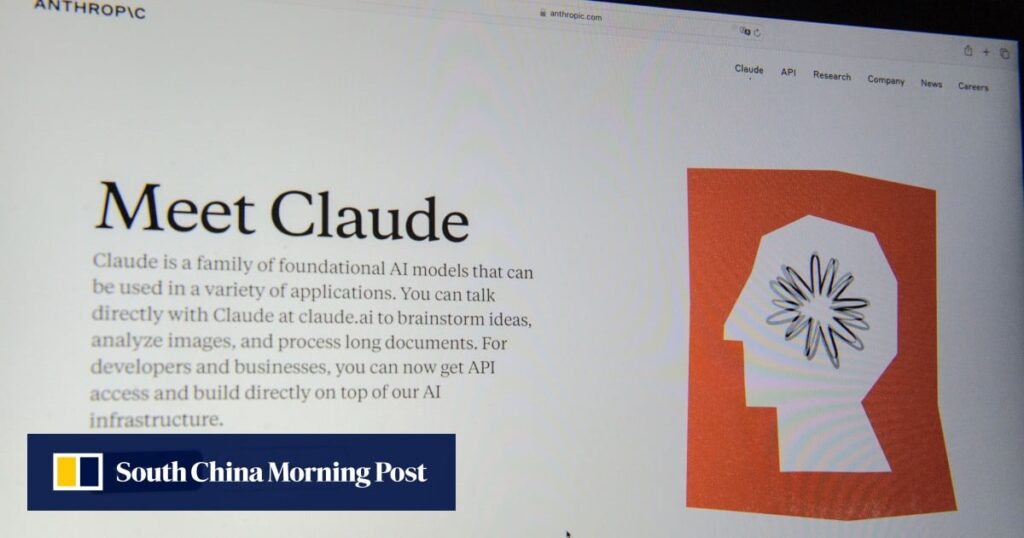
In the rapidly evolving landscape of artificial intelligence, the competition is intensifying among industry leaders such as Anthropic and OpenAI. Recently, Anthropic announced the release of its newest AI model, Claude Opus 4.5. This iteration promises improved capabilities in automating coding and office tasks, positioning itself strategically against rivals like OpenAI and Google’s new model, Gemini 3. Understanding the nuances of these platforms is essential for SMB leaders and automation specialists looking to leverage AI effectively in their operations.
The key enhancements in Claude Opus 4.5 appear to center around productivity, particularly in software engineering. According to Anthropic, the model has demonstrated a greater ability to fix bugs independently, a capability traditionally reliant on user intervention. This shift suggests a move towards a more autonomous AI experience, where users can expect the system to handle more complex, multi-step tasks seamlessly. In practice, this level of automation could lead to significant time savings for businesses, allowing teams to allocate resources more strategically.
However, the introduction of Opus 4.5 comes at a time when competition is fiercer than ever. OpenAI’s models are established market leaders, and recent advancements in Gemini 3 appear to reaffirm Google’s commitment to closing the gap. By grounding its efforts in a rich user interface and an expansive dataset, Google continues to impress both consumers and investors alike. These developments necessitate a thorough comparison of the tools currently available and their respective strengths and weaknesses.
When analyzing these platforms, potential adopters should consider several factors, including cost, return on investment (ROI), and scalability. OpenAI’s products, including ChatGPT, offer access to a wide range of functionalities at various price points, catering to small businesses and large enterprises alike. However, some users have reported challenges associated with cost versus output, particularly in less standardized use cases.
Conversely, Anthropic’s Opus 4.5, while competitive in performance, may come with its own set of pricing structures that require careful consideration. For organizations that prioritize coding efficiency and complex task execution, Opus 4.5’s autonomy may present a compelling reason to invest, potentially offering a better ROI in programming-intensive environments. That said, it is crucial for potential users to weigh these operational advantages against any potential drawbacks, such as initial adoption costs or integration challenges with existing systems.
Another area of analysis is the scalability of these platforms. OpenAI has demonstrated its capability to scale effectively, with over 300,000 business customers adopting its models to streamline workplace tasks. This broad user base is indicative of a robust ecosystem capable of supporting both startups and larger enterprises. In contrast, Anthropic’s recent growth trajectory highlights its emergence as a market leader in specific segments—a position it intends to leverage further through continuous innovation.
In evaluating automation platforms beyond just coding applications, platforms like Make and Zapier also warrant attention for their ease of use and integration capabilities. Make, with its visually intuitive interface, enables users to automate workflows across a plethora of applications without the need for extensive programming knowledge. Conversely, Zapier remains a favorite among SMBs due to its seamless connections between thousands of apps, albeit with some limitations in more complex integrations.
Ultimately, each platform offers unique benefits tailored to varying operational needs. SMB leaders must assess their specific usage scenarios and organizational goals before selecting a solution. The key takeaways here involve focusing on the distinct functionalities that each tool offers and understanding how these can be aligned with business objectives.
Investing in an automation platform is not merely about adopting the latest technology; it requires a strategic assessment of how that technology aligns with practical applications and long-term goals. By analyzing elements like cost, ROI, and scalability, SMB leaders and automation specialists can better navigate the complex decisions surrounding AI integration into their workflows.
FlowMind AI Insight: As the competition heats up in the artificial intelligence space, organizations must strategically evaluate new models not merely based on hype but through a pragmatic lens that incorporates ROI, operational efficiency, and the long-term scalability of the chosen technology. The decisions made today could define the productivity landscape of tomorrow.
Original article: Read here
2025-11-25 01:46:00