
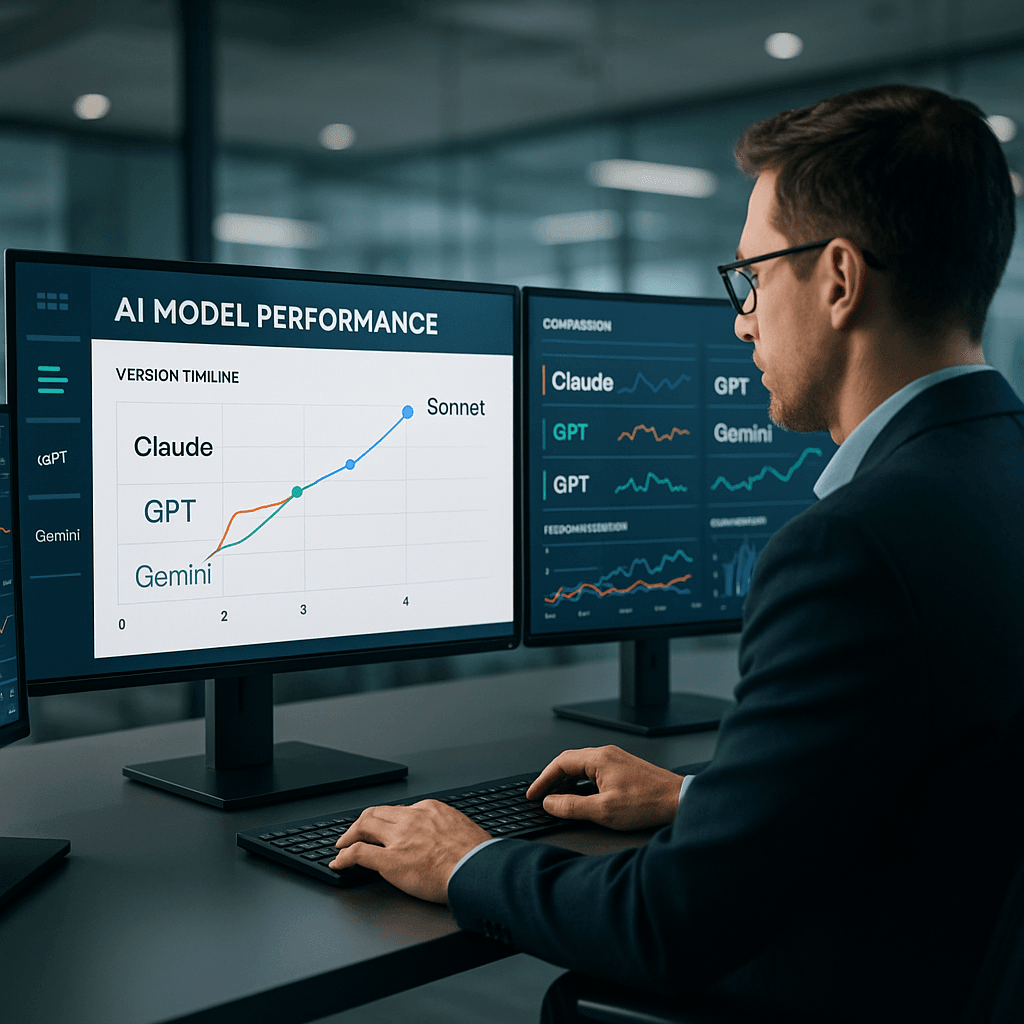
In the rapidly evolving AI landscape, the recent release of Anthropic’s Claude Sonnet 4.6 brings both excitement and analysis for small to medium-sized business (SMB) leaders and automation specialists. As enterprises seek robust solutions that combine performance with cost-effectiveness, the emergence of diverse AI models and automation platforms prompts an in-depth examination of their respective strengths and weaknesses, particularly in comparison to established players like OpenAI.
Anthropic has adeptly positioned Claude Sonnet 4.6 within a compact three-tier offering that appeals to enterprises at various stages of their AI adoption. While OpenAI’s GPT-4 represents the pinnacle of high-capacity models catering to organizations that require unparalleled performance for complex tasks, its associated costs can become prohibitive. Conversely, Anthropic’s Sonnet model stands as a middle ground, offering sufficient capabilities for intricate reasoning while remaining significantly more cost-effective — a factor that SMBs must consider in light of budget constraints.
Compared to other automation platforms like Zapier and Make, the comparative pricing strategy of these AI solutions reveals essential insights into user preferences and operational efficiency. Make and Zapier are known for their streamlined interfaces and extensive integrations that enable users to automate workflows without a programming background. While both platforms can provide immediate returns on investment through time saving and process optimization, they contain limitations in terms of advanced customization and AI-powered insights. Enterprises with more complex automation needs may find themselves constrained by these platforms, thus elevating the necessity for more advanced AI systems that can simultaneously drive automation.
Yet, the real strength of Claude Sonnet lies in its ability to fulfil a dual role. It not only positions itself as an advanced AI model but also delivers predictable updates—an increasingly valuable asset in a marketplace characterized by rapid technological advancements. Anthropic’s commitment to its four-month update cycle affords organizations the comfort of assured progress and reliability, alleviating the anxiety associated with stagnated development. In contrast, OpenAI has faced delays with the anticipated GPT-5, leaving some enterprises in a holding pattern as they await further capabilities. This unpredictability may prompt companies to reconsider their allegiance to such high-flying models, focusing instead on alternatives that guarantee timely improvements.
The growing emphasis on ROI within the AI and automation frameworks cannot be overstated. SMB leaders must prioritize solutions that minimize costs while maximizing output. The tangible benefits derived from AI solutions should not solely be measured by performance metrics but also by their ability to integrate seamlessly into existing operational models. For instance, while OpenAI’s advanced features may seem attractive, businesses must thoroughly analyze the total cost of ownership, including implementation, scaling, and maintenance expenses. In contrast, the cost savings and scalability offered by Sonnet allow companies to deploy models at scale without the inherent anxiety of inflated operational costs.
In terms of scalability, both Anthropic and OpenAI provide offerings designed to evolve with the enterprises they serve. However, the predictability and cost-effectiveness of Claude Sonnet stand out as crucial differentiators for SMBs focused on sustainable growth. The Sonnet model’s compatibility with a broader range of tasks makes it particularly appealing for businesses that require flexibility rather than locking into a high-capacity model that may only be utilized for specific applications.
One of the more critical considerations for SMB leaders lies in the ongoing trends within the AI marketplace. As competition intensifies among major players, the focus has gradually shifted from sheer performance to factors such as reliability, latency, and vendor stability. Companies are now grappling with questions surrounding a vendor’s longevity and the capacity for support over time. Anthropic’s clear, consistent release strategy indicates that it is poised not just for the immediate game but for the long haul, fostering trust with its customer base—a factor that can greatly influence purchasing decisions in an inherently volatile market.
In conclusion, the release of Claude Sonnet 4.6 by Anthropic emerges as a strategic maneuver aimed directly at meeting the nuanced needs of SMBs and enterprises alike. The model’s adaptability, cost management, and predictable upgrade cycle makes it a compelling alternative to models facing delays in development or excessive costs. As businesses continue to navigate the complexities of AI implementation, it becomes essential for them to weigh the comparative advantages of different platforms concerning their specific operational requirements and budget constraints.
FlowMind AI Insight: As the AI marketplace continues to mature, investing in platforms that promise reliability, flexibility, and cost-effectiveness will be paramount for SMBs. Make informed decisions that not only address current needs but also anticipate future scalability and integration challenges in this fast-paced environment.
Original article: Read here
2026-02-17 18:12:00