
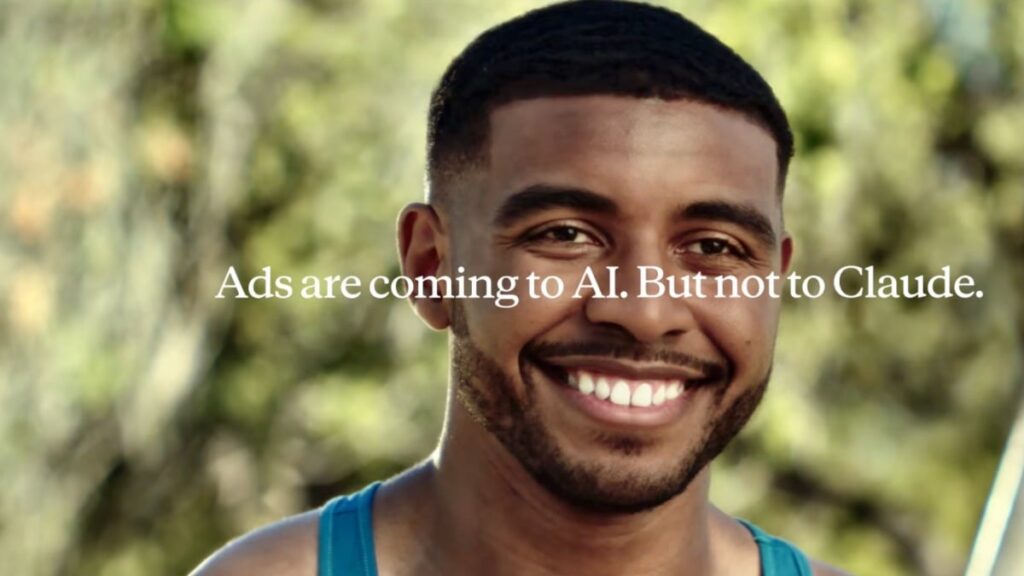
In the rapidly evolving landscape of artificial intelligence (AI) and automation platforms, recent developments have raised critical considerations for small to medium-sized business (SMB) leaders and automation specialists. The competitive dynamics are being intensified not only by advancements in technology but also by strategic marketing decisions, as seen with the recent Super Bowl LX ads from Anthropic. These ads underscore a crucial narrative in the ongoing competition between AI titans, particularly focusing on OpenAI and its ChatGPT product.
Anthropic’s advertisements emerged in a context where OpenAI has started introducing advertisements into its ChatGPT conversations, including among its paid options. OpenAI’s CEO, Sam Altman, previously described the integration of ads as a “last resort,” expressing concerns about user experience. This shift appears to come as OpenAI faces substantial pressure from competitors and continuous criticism concerning the performance of its latest language models. The perception that ChatGPT is falling behind has contributed to an atmosphere of urgency within the company, leading to what has been termed a “code red” scenario.
Anthropic’s marketing strategy, utilized effectively during a high-profile event like the Super Bowl, highlights its key product, the Claude AI chatbot. The ads cleverly illustrate potential pitfalls associated with AI systems that introduce advertising—specifically, the risk of compromised user experience. The use of colorful narratives in these ads serves not only as entertainment but as a nuanced critique of OpenAI’s recent strategic shifts. By addressing everyday scenarios, such as a frustrated conversation with a therapist or a personal trainer’s unanticipated sales pitch, Anthropic positions Claude as a more user-centric alternative devoid of advertising distractions.
When comparing AI and automation platforms like OpenAI and Anthropic, several factors emerge that SMB leaders should carefully analyze. First, the core strength of OpenAI lies in its extensive capabilities in natural language processing and generation. This proficiency enables businesses to utilize ChatGPT in diverse applications, from customer service to content creation. However, the recent introduction of ads raises essential questions about the long-term viability of user satisfaction, particularly if users feel that the product is evolving into an ad-centric service rather than a focused tool for productivity.
Conversely, Anthropic’s Claude boasts a promise of maintaining a pure user experience devoid of advertising interruptions. This aspect can significantly affect user engagement and retention. While Claude may not yet have the extensive ecosystem and integrations offered by ChatGPT, its focus on user-centric design and clear communication of that value proposition provides a compelling alternative for businesses that prioritize user experience in their operational workflows.
From a cost perspective, the choice between OpenAI and Anthropic must consider both direct expenses and opportunity costs associated with each platform’s limitations and advantages. OpenAI has established a pricing structure that can appeal to a wide spectrum of users, but the introduction of ads may stealthily inflate long-term costs for businesses that rely heavily on AI for daily operations. The potential trade-off here is between immediate affordability and future user satisfaction.
In contrast, while Anthropic may offer a more premium pricing model for its services, the advertising-free experience can translate into enhanced productivity for businesses that seek seamless integration into existing workflows. This can lead to a higher return on investment (ROI) when evaluating time saved and user satisfaction over the long run.
Scalability is another crucial dimension in this analysis. OpenAI has a broader reach and integration capabilities, aligning it well with businesses that require a flexible and scalable solution. The extensive API and third-party integrations provide an advantage for companies anticipating rapid growth or adaptation. However, Anthropic’s strategy focuses on creating a robust product without the clutter of external advertisements, making it necessary to evaluate whether such a stance can support the scalability requirements of different SMBs.
In conclusion, the competition between OpenAI and Anthropic reveals a complex interplay of user experience, cost, and scalability that SMB leaders must navigate. As businesses increasingly rely on AI to enhance efficiency and drive innovation, the choice of platform will directly influence their operational dynamics and strategic direction.
FlowMind AI Insight: In a landscape where user experience and strategic positioning significantly impact technology adoption, SMBs should prioritize platforms that align with their operational goals while ensuring a focus on user satisfaction. Understanding the nuances of each option, from cost implications to scalability potential, will be essential in harnessing the full capabilities of AI and automation.
Original article: Read here
2026-02-04 16:48:00