
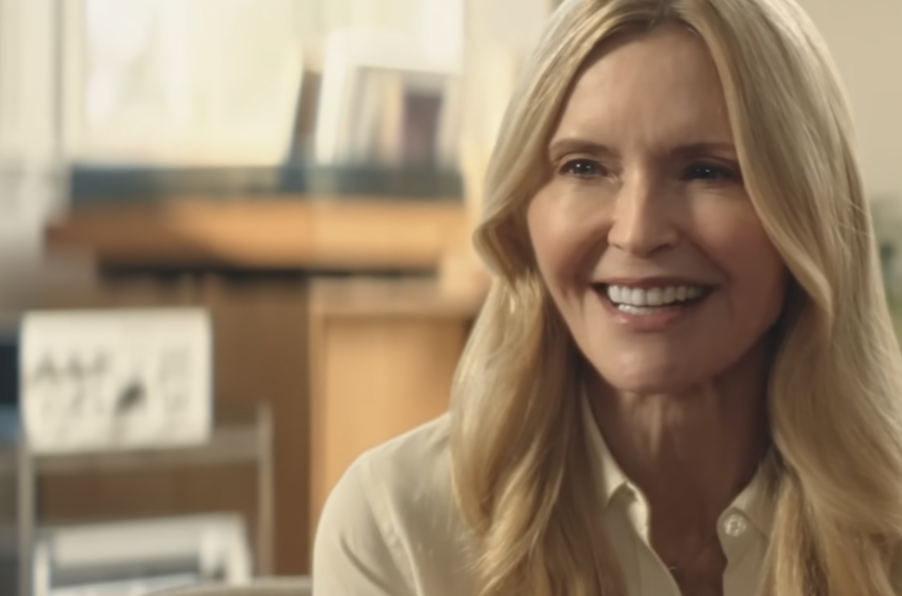
In the competitive landscape of AI and automation platforms, the emerging contention between Anthropic’s Claude and OpenAI’s ChatGPT serves as a case study in contrasting business models and strategic approaches to monetization. Anthropic has recently made headlines with its innovative advertising campaign during Super Bowl LX, launching a direct challenge to ChatGPT’s approach to monetization through user-targeted advertising. The crux of this advertisement, encapsulated in the campaign titled “A Time and a Place,” communicates a fundamental difference in philosophy: Anthropic proposes to keep its AI interactions free from commercial interruptions, while OpenAI is embarking on a monetization path that inserts ads into chatbot interactions.
Anthropic’s strategy capitalizes on the growing concerns around user experience within AI interactions. Their advertisements depict various interactions—portraying figures like teachers or therapists—only to subvert expectations with overt commercial pitches, thus effectively increasing awareness around the advertisement-free commitment. This approach not only differentiates Claude in the marketplace but also speaks to a valuable consumer segment that is increasingly wary of integrated advertising. The promise that Claude will feature no sponsored content or advertising could position it as highly attractive to businesses seeking to provide seamless and authentic interactions with AI.
In contrast, OpenAI’s strategy of incorporating ads into its free and paid ChatGPT tiers represents a pragmatic approach aimed at scaling revenue through broader user engagement. By offering a free tier, OpenAI captures a wider audience and collects valuable data, which can refine AI capabilities and enhance user experience. This move can be depicted as an attempt to build a sustainable business model through synergies between profitability and user data acquisition. However, OpenAI must navigate the fine line of ensuring that the advertising does not adversely affect user experience or trust in their product.
Cost structures between the two platforms further underline the divergent strategies. Anthropic’s subscription model, which emphasizes an ad-free experience, may initially appear less accessible to small and medium-sized businesses (SMBs) due to perceived higher costs; however, the value derived from uninterrupted AI interaction can lead to higher returns on investment (ROI) for users who prioritize user experience and data integrity. In contrast, OpenAI’s model, with its tiered pricing including a low-cost option, could appeal to budget-conscious SMBs but carries the risk of diminishing returns due to user dissatisfaction if the ads negatively impact the engagement.
When evaluating the scalability of these models, Anthropic’s ad-free approach could lead to greater customer retention among businesses seeking reliable and interruption-free tools for customer service, HR, and more. A loyal customer base may reduce churn, enhance lifetime customer value, and promote word-of-mouth marketing. On the other hand, OpenAI’s scalable model may thrive on its vast user base, allowing for incremental improvements in service as user data and insights expand and refine their algorithms.
In summary, the juxtaposition of OpenAI and Anthropic illustrates a critical juncture in the AI market where user experience, monetization, and ethical advertising are increasingly under scrutiny. While OpenAI aims to balance accessibility and commercial viability through ads, the risk of alienating users looms large. Anthropic is betting on the appeal of an uninterrupted service, which may resonate with consumers who value integrity in AI interactions.
Final recommendations for SMB leaders and automation specialists would involve assessing the specific needs of their organizations. Businesses seeking scalable and cost-effective solutions might lean towards OpenAI’s offerings, but must account for potential advertising distractions. Conversely, those prioritizing consistent user experience and higher engagement may find improved value in Anthropic’s ad-free model, justifying a higher upfront cost with long-term customer loyalty and satisfaction.
FlowMind AI Insight: The evolving landscape of AI platforms signifies a shift toward ethical monetization and user-centric design. Businesses should align their technology choices not only with budgetary constraints but also with user experience goals, ensuring that the tools they adopt support a sustainable and trusted approach to automation.
Original article: Read here
2026-02-05 17:25:00