
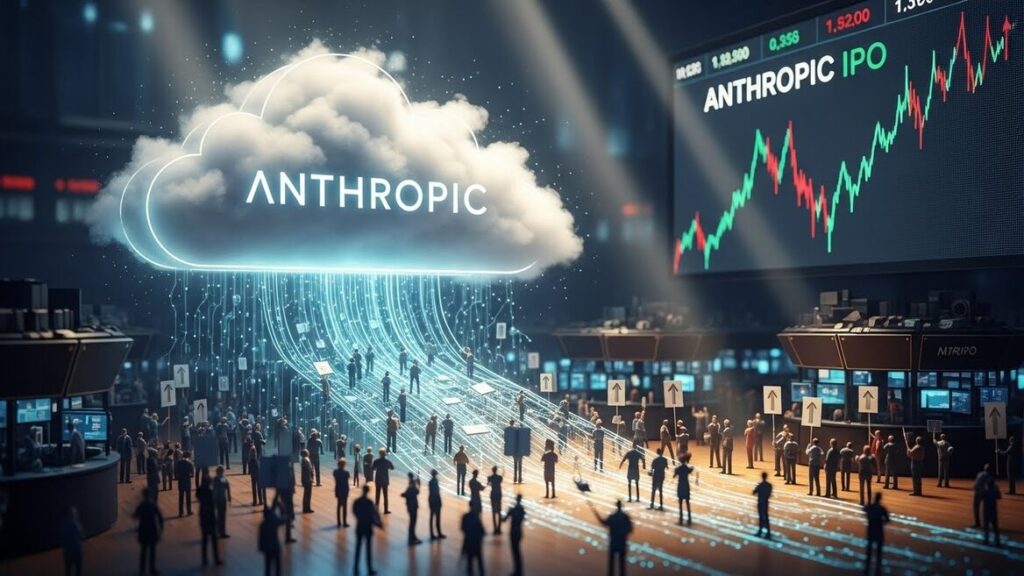
As the realm of artificial intelligence (AI) experiences exponential growth, the competitive landscape is rapidly evolving, particularly in the face of new developments from key players. Dario Amodei’s departure from OpenAI and the subsequent founding of Anthropic has underscored the dynamic nature of the industry, positioning Anthropic not just as a contender but potentially as a leader in the market. With an anticipated revenue nearing $10 billion by the end of this year and discussions around a valuation surpassing $300 billion for a possible initial public offering (IPO), Anthropic’s trajectory warrants an analytical examination against established tools in the AI and automation space, particularly when compared to platforms such as OpenAI and Zapier.
At the forefront of these discussions is the conceptual framework surrounding safe AI. Amodei’s vision emphasizes the creation of robust, powerful AI while ensuring safety and ethical considerations are at the cornerstone of development. This contrasts significantly with the mainstream approaches adopted by incumbents like OpenAI and automation-focused tools like Zapier. OpenAI, founded with the mission of ensuring that artificial general intelligence (AGI) benefits humanity, has leveraged its technological prowess to market robust AI capabilities. On the other hand, Zapier serves as a user-friendly automation platform that connects disparate web applications, making it a flexible choice for small and medium-sized businesses (SMBs) seeking straightforward integrations.
When analyzing these platforms, their strengths become evident. OpenAI boasts advanced natural language processing capabilities, enabling it to produce human-like text and respond intuitively to user inputs. This makes it particularly attractive for companies aiming to incorporate conversational AI into their customer service strategies, thus enhancing client interactions. However, it is important to note that operationalizing OpenAI’s solutions often involves higher upfront costs associated with talent acquisition and infrastructure development, which may not be feasible for all SMBs.
In stark contrast, Anthropic is making strides to balance cutting-edge technology with a focus on safety, which is increasingly relevant as concerns around AI ethics and misuse intensify. Investors lauded Dario Amodei’s combination of technical understanding, market insight, and safety-first mindset as critical for navigating potential pitfalls that accompany rapid technological advancements. The anticipation surrounding Anthropic’s proposed IPO reflects a growing confidence in its approach, which marries advanced AI capabilities with a conscientious twist that could render it more appealing to risk-averse business leaders.
Cost considerations for implementing AI vary greatly. While OpenAI’s model may lead to greater initial investments, the potential return on investment (ROI) can be substantial through enhanced operational efficiencies and automation of complex tasks. However, the value proposition becomes more nuanced when grade assessments of alternative platforms are considered. Zapier, which operates on a subscription model with tiered pricing based on usage, can yield a faster, albeit possibly less advanced, ROI through simple integrations that help businesses streamline their workflows at a lower cost. In essence, the decision boils down to whether businesses prioritize cutting-edge capabilities or up-front affordability.
Scalability is another critical dimension to evaluate as businesses look to make investments in AI and automation tools. OpenAI’s framework is robust enough to cater to enterprise-level demands, while still being flexible enough for smaller implementations, though the complexity may require sophisticated technical oversight. In contrast, platforms like Anthropic are designed with scalability in mind yet remain tethered to ethical considerations, which may appeal to businesses looking for sustainable growth with a social conscience.
Anthropic’s unique positioning in the market highlights the increasing importance of ethical frameworks surrounding AI. As businesses scale their operations and implement automation strategies, the implications of AI decisions are magnified. This evolution hints at a future where governance and regulation in AI will be paramount, making tools like Anthropic not only relevant but essential to responsible business practices.
The landscape of AI and automation platforms is continuously shifting, and leaders must weigh the value of innovative capabilities against economic and ethical considerations. The decision-making framework should encompass an evaluation of immediate operational needs versus long-term strategic goals, understanding that both dimensions can exist within a single solution. While OpenAI offers pioneering technology that could drive substantial business transformation, it comes with investment complexities. Conversely, Anthropic seeks to pair those advancements with ethical diligence, offering a unique value proposition as it prepares for potential public offerings.
As market dynamics continue to evolve, SMB leaders would benefit from investing in platforms that offer a blend of advanced functionality, scalability, and robust safety measures. Conversations around AI and automation are no longer simply about technological relevance but about aligning business strategies with responsible practices that resonate with a broader audience.
FlowMind AI Insight: The future of AI automation hinges on striking a balance between innovation and responsibility. SMB leaders must consider not just the efficacy of the tools they adopt, but how these choices resonate with ethical frameworks that safeguard their organizations and the broader society. Prioritizing platforms like Anthropic may not only enhance operational efficiencies but also bolster corporate reputations as leaders in ethical AI.
Original article: Read here
2025-12-08 07:01:00