
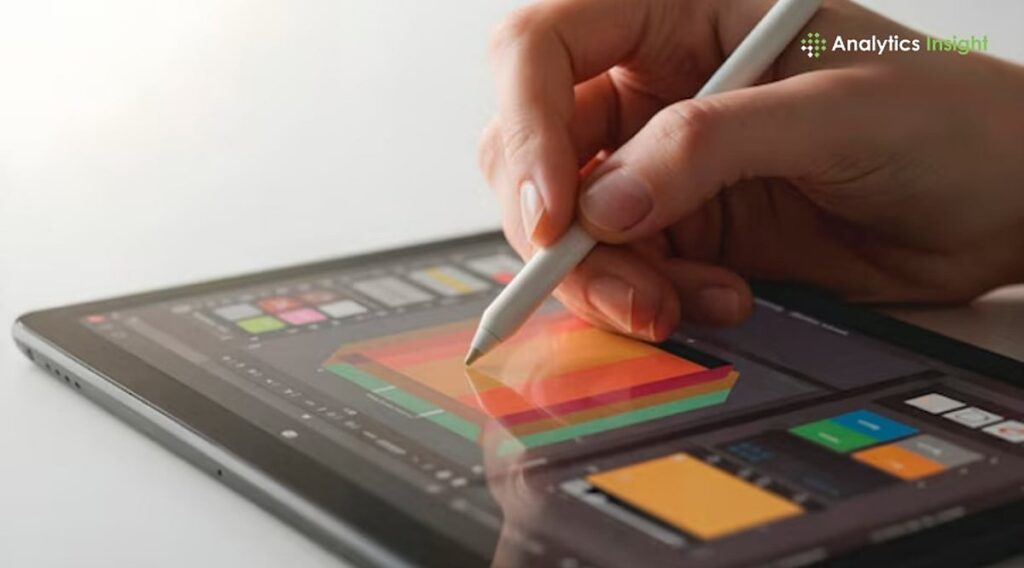
In recent years, artificial intelligence (AI) graphic design tools have emerged as a valuable asset for businesses, especially among small and medium-sized enterprises (SMEs). These tools provide functionalities ranging from layout development and image creation to brand definition and workflow automation. As companies increasingly turn to these platforms, a nuanced analysis of their strengths, weaknesses, costs, return on investment (ROI), and scalability is warranted.
The current landscape of AI-driven graphic design tools features platforms with varying degrees of sophistication and user-friendliness. Established players such as Looka and Canva have positioned themselves as go-to solutions for branding projects, particularly in logo and identity development. Looka, leveraging AI to create custom logos and branding materials, enables users to generate high-quality designs based on specific input. Its advantages lie in its intuitive interface, allowing individuals with little design experience to produce professional outputs. However, as enterprises seek customization, the platform’s limited versatility may pose challenges for advanced users.
Conversely, Canva excels in offering an extensive library of templates and design elements aimed at a broader range of marketing collateral. Its user-friendly interface attracts novices, yet its robust editing controls make it a suitable tool for professional designers looking to optimize workflow efficiency. Despite these strengths, Canva does have drawbacks, particularly in its reliance on an internet connection and certain limitations in premium features. Comparatively, a subscription to Canva Pro may yield a manageable cost for SMEs, typically around $12.95 per month. The potential ROI through enhanced visual communication and branding efficacy, however, can far exceed upfront costs.
Another significant area for inquiry involves the role that AI graphic design tools play within the broader context of automation. Platforms such as Make and Zapier dominate the automation landscape, allowing businesses to integrate disparate systems and enhance operational workflows. Make, known for its visual interface, allows users to connect applications through a drag-and-drop setup, rendering it an effective option for teams seeking rapid deployment of automated tasks. The platform is particularly well-suited for SMEs that may lack in-house technical expertise but wish to improve operational efficiencies. On the pricing front, Make offers a freemium model, with tiers scaling based on usage, which can be beneficial for companies looking to start small and expand functionality as demands grow.
In contrast, Zapier offers a more robust set of integrations and actions, fostering a more extensive operational ecosystem for organizations. The learning curve may be steeper compared to Make; however, its powerful capabilities can lead to significant ROI when correctly leveraged. Measurement of success can be quantified in terms of reduced task completion times and improved interdepartmental communication. Both platforms hold a solid position within automation conversations, with selection often hinging on specific organizational needs. Businesses deeply entrenched in workflows may gravitate toward Zapier for its extensive capabilities, while teams seeking simplicity and rapid setup might find Make to be a more aligned choice.
The question frequently arises: will AI creative tools render human designers obsolete? The short answer is no. While these tools significantly enhance efficiency, empower users to be more creative, and streamline project timelines, they do not replace the strategic thinking and artistic direction that human designers bring to the table. AI tools excel in generating variations and utilizing data for optimized outcomes, but design principles rooted in creativity, cultural understanding, and emotional resonance remain inherently human attributes.
For beginners, the accessibility of platforms like Canva marks a significant shift in the design landscape. The platform’s design simplicity opens up opportunities for individuals without formal training, democratizing graphic design and allowing SMEs to present professional visuals affordably. However, as the market evolves, organizations are advised against solely relying on AI-driven design solutions. A balanced approach that incorporates human creativity alongside automation and AI capabilities is likely to yield the most significant benefits.
In conclusion, the emergence of AI graphic design tools offers tremendous possibilities for SMEs. When considering the myriad options available, leaders must evaluate the specific needs and goals of their organizations. The comparative analysis of platforms like Looka, Canva, Make, and Zapier should inform decision-making, keeping in mind the unique blend of efficiency, creativity, and strategic insight that human professionals provide. By harnessing the power of AI tools while fostering human expertise, businesses are well-positioned to navigate an increasingly competitive digital landscape.
FlowMind AI Insight: As AI tools redefine the creative and operational landscape, SMEs should prioritize integrating these technologies while cultivating human skills that drive strategic advantages. Organizations that champion this synergy will likely experience enhanced performance and innovative outcomes in an evolving marketplace.
Original article: Read here
2026-02-19 14:00:00