
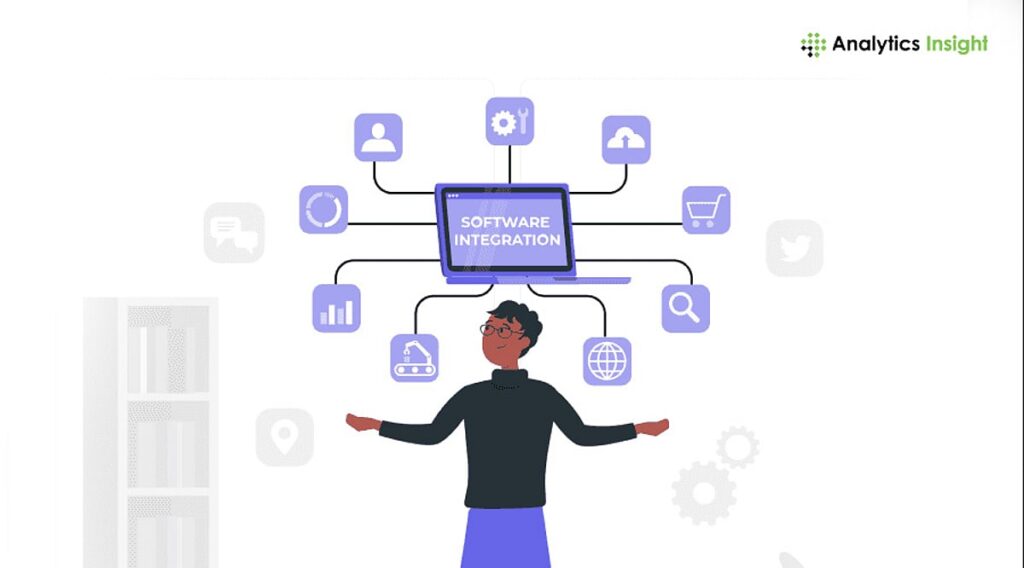
In today’s fast-paced business environment, the proliferation of automation tools has transformed how small and medium-sized businesses (SMBs) operate. Software as a Service (SaaS) automation stands at the forefront of this transformation, offering cloud-based solutions to streamline repetitive tasks such as email management, reporting, and data synchronization. By automating these essential yet mundane processes, businesses can improve operational efficiency and allocate resources strategically. As leaders in the SMB sector consider the integration of these tools, it becomes critical to assess various platforms for their unique strengths, weaknesses, costs, return on investment (ROI), and scalability.
Several prominent SaaS marketing automation tools have emerged, including HubSpot, Userpilot, and Zapier. HubSpot is renowned for its comprehensive marketing suite that not only automates email campaigns but also provides robust CRM functionalities. While its all-in-one nature offers a seamless experience, it may not be as flexible as other standalone tools, potentially leading to unnecessary complexity for teams focused on specific tasks. Userpilot, on the other hand, caters primarily to product-led growth, ensuring users can design in-app experiences that convert visitors into engaged users. Its focus on user onboarding enhances customer retention, though its pricing tiers can escalate quickly depending on usage, potentially affecting smaller businesses. Meanwhile, Zapier excels in connecting disparate applications, allowing businesses to create custom workflows. This flexibility is both a strength and a limitation, as the platform may require considerable setup time and technical proficiency, which can deter less tech-savvy users.
When examining AI automation within the SaaS landscape, two names frequently surface: OpenAI and Anthropic. OpenAI’s suite of tools, including language models, provides remarkable capabilities for natural language processing, making it highly suitable for customer service automation and content creation. Its ability to generate contextually relevant outputs can significantly enhance customer engagement. However, the complexity of integrating these AI models into existing workflows can pose a challenge for SMBs lacking dedicated technical resources. Conversely, Anthropic emphasizes ethical AI and user safety, aiming to create AI systems that align with human values. While its approach is commendable, it may not yet offer the same breadth of functionalities as OpenAI, potentially limiting its immediate utility for businesses seeking comprehensive solutions.
The cost of these automation tools significantly impacts the decision-making process. Most platforms offer tiered pricing structures, accommodating the varying financial capabilities of SMBs. As businesses grow, they often find the need to scale their automation capabilities, making it essential to choose tools that can grow alongside them. For instance, Zapier has an intuitive scaling model as it increments pricing based on the number of zaps and tasks completed monthly. This can be advantageous for growing companies, though those with more extensive needs may find costs accumulating quickly. Similarly, HubSpot offers flexible pricing options, but additional features often come at a premium. Businesses must weigh these pricing structures against their budget and anticipated growth to determine the most cost-effective solution.
Return on investment is another crucial factor central to the decision-making process. The effectiveness of SaaS automation tools can often be measured by the reduction in manual work, an increase in productivity, and ultimately, the ability to focus on higher-value activities. While quantifying ROI can be challenging due to the qualitative nature of many benefits, metrics such as time saved and increased throughput can serve as tangible indicators. Case studies in the industry reveal that companies integrating automation tools often experience productivity gains of anywhere from 20% to 50%. Thus, thoughtful analysis of the ROI tied to specific tools can provide a roadmap for effective resource allocation.
In terms of scalability, sufficiency in handling increasing demands is vital for any SMB aiming for sustained growth. The ideal SaaS automation tool should not only accommodate current operational needs but also adapt to future changes. Tools like HubSpot and Userpilot are designed with scalability in mind, ensuring businesses can add functionalities as they expand. However, automating new processes demands ongoing evaluation of tool performance and can incur additional costs, necessitating continuous investment in management and support.
In conclusion, the market for SaaS automation tools is densely populated with various solutions that cater to the specific needs of SMBs. Understanding the strengths and weaknesses of platforms such as HubSpot, Userpilot, Zapier, OpenAI, and Anthropic allows leaders to make informed decisions about implementing these technologies. Through careful cost analysis, ROI forecasting, and consideration of future scalability, businesses can choose automation solutions that not only meet their immediate needs but also align with long-term growth objectives. Consider these factors holistically to harness the full potential of automation while mitigating risks associated with integration.
FlowMind AI Insight: As businesses navigate the complex landscape of SaaS automation, a tailored approach—prioritizing quality analytics and stakeholder involvement—is essential. By strategically integrating the right tools, SMBs can optimize workflows, drive productivity, and ultimately, enhance their competitive edge in a digital-first world.
Original article: Read here
2025-10-28 00:30:00