
In recent months, the landscape of artificial intelligence and automation has undergone significant shifts, making it essential for small and medium-sized businesses (SMBs) to analyze and adapt to these developments. Several established players in the AI domain, such as OpenAI and Anthropic, are contending not only with the rapid advancement of their technologies but also with critical questions surrounding their financial viability. This tumultuous environment necessitates a deeper examination of the tools available to businesses, underscoring the comparative strengths, weaknesses, costs, ROI, and scalability of leading platforms like OpenAI, Anthropic, Make, and Zapier.
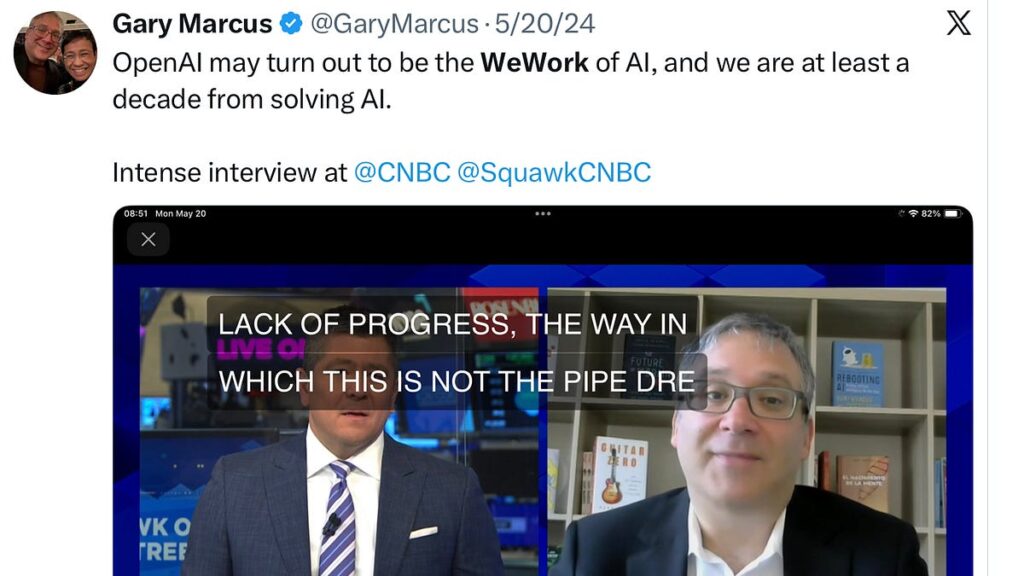
OpenAI, the creator of the widely-used ChatGPT, has been lauded for its innovative products and extensive capabilities. However, recent struggles in securing funding and increased competition are posing challenges that could erode its market position. With significant backers like Masayoshi Son of SoftBank reportedly reconsidering their investments, concerns around OpenAI’s profitability have come to the forefront. The company’s projections indicate that it may not reach profitability for several years, thereby increasing the urgency for potential SMB adopters to reassess their commitment to using OpenAI’s tools. While OpenAI’s technology offers advanced natural language understanding and generation capabilities, the looming financial uncertainties could lead to reduced innovation and increased costs.
Anthropic presents itself as a robust alternative, positioning itself as a safer option for businesses that prioritize ethical considerations in AI deployment. Founded by former OpenAI employees, Anthropic focuses on building AI systems that reflect human values and ethical standards. Their approach may resonate well with SMBs concerned about compliance and the ethical implications of AI-driven tools. However, Anthropic’s offerings are still catching up in terms of market availability compared to OpenAI, and businesses may need to weigh their ethical priorities against immediate accessibility and feature breadth.
When it comes to automation platforms, Make (formerly Integromat) and Zapier are the titans most frequently considered by SMBs for process automation. Make stands out due to its flexibility and sophisticated visual interface, allowing users to build complex workflows that interconnect multiple applications seamlessly. Its pricing structure is relatively competitive, especially for teams needing comprehensive automation without a hefty upfront investment. For businesses with more technical resources and programming knowledge, Make may offer a higher potential ROI, given its ability to create intricate systems tailored to specific operational needs.
Conversely, Zapier excels in user-friendliness and rapid deployment. The platform is designed for individuals and small teams who may lack extensive technical expertise. While its simplicity comes with limitations in workflow complexity compared to Make, the ease of onboarding and integration with a broad array of applications can lead to quicker productivity gains for businesses just beginning their automation journey. For SMBs, especially those without dedicated IT staff, the more straightforward nature of Zapier could deliver an effective solution in the short term, albeit at the potential cost of long-term scalability.
Cost is a critical consideration for any SMB evaluating these platforms. OpenAI typically operates within a subscription model, where usage fees can accumulate substantially based on the scale of deployment. Anthropic, on the other hand, has yet to fully establish its pricing structure, given that it is still expanding its market presence. This unpredictability could deter users who are seeking clear financial forecasts.
On the automation side, both Make and Zapier employ tiered pricing strategies, which can be favorable for SMBs. However, over time, the cumulative cost for each platform should be compared against the expected value generated through increased efficiencies and improved workflow. The derived ROI will largely depend on how well each platform adapts to the evolving needs of the business. Scaling operations with either tool requires careful attention to growth projections and how deeply enmeshed the tools become in an organization’s infrastructure.
As businesses make these comparisons, there are key takeaways that can guide SMB leaders in their decisions:
1. Understand the specific needs of your operation: Evaluate whether advanced AI capabilities or more straightforward automation will deliver greater immediate value.
2. Assess the cost structure: Factor in both direct costs and the potential for revenue generation or cost savings over time to determine the true ROI of each platform.
3. Stay informed about market dynamics: Keep abreast of funding models and sustainability issues affecting primary players in the AI space. This vigilance will serve to mitigate risks associated with vulnerable providers.
Ensuring that your investment in AI and automation provides sustainable value is paramount for any SMB seeking to thrive in today’s competitive landscape. Navigating the nuances between platforms like OpenAI, Anthropic, Make, and Zapier can prove decisive for long-term success.
FlowMind AI Insight: As the landscape of AI and automation continues to evolve, staying agile in your technology choices will be imperative. Regularly assess not only the tools that meet your current needs but also those that promise future scalability, enabling you to navigate the uncertainties of the market with confidence.
Original article: Read here
2026-02-13 00:38:00