
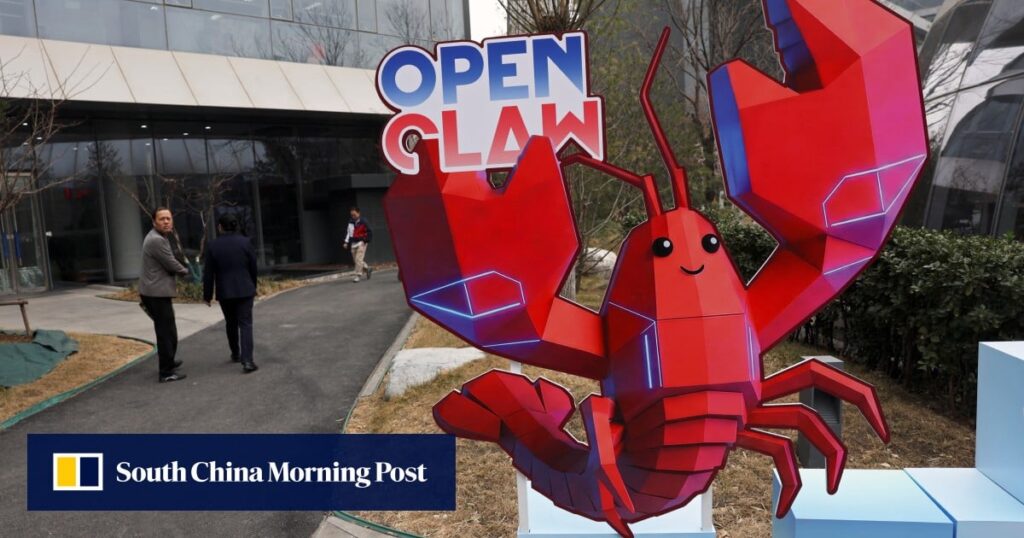
The recent shift in the AI landscape following Anthropic’s decision to restrict its Claude models from open-source platforms like OpenClaw has sparked significant discourse among tech companies, particularly in China. This development poses several important considerations for small and medium-sized business (SMB) leaders and automation specialists contemplating their AI strategies.
Anthropic announced that it will no longer allow Claude subscriptions to cover usage in third-party tools, a move framed as essential for prioritizing its existing customer base. This decision is emblematic of larger trends in the AI sector, specifically concerning how companies balance proprietary interests against community-driven innovation. Chinese companies such as MiniMax and Xiaomi have promptly responded, suggesting that enterprises switch to their own token subscription plans. These companies not only aim to capture the market share left by Anthropic’s restrictions but also position themselves as champions of open-source capabilities.
In analyzing the current landscape, it is critical to evaluate the strengths and weaknesses of various AI and automation tools, especially in the context of the recent changes. Tools such as OpenAI and Anthropic’s offerings have been at the forefront of AI development. OpenAI, while often perceived as a leader, also face constraints similar to Anthropic, notably in its integration with specific platforms. In contrast, tools like MiniMax and Xiaomi are keen to attract those disillusioned by Anthropic’s limitations, thus creating an aggressive competition for market dominance.
Costs and return on investment (ROI) are vital metrics for any company evaluating AI solutions. OpenAI provides flexible pricing models based on the volume of usage while maintaining a robust ecosystem of integrations. Nevertheless, its pricing can escalate significantly for extensive use cases, potentially posing a barrier for SMBs. On the other hand, Anthropic’s focus on first-party products might limit immediate cost transparency for businesses looking to harness AI capabilities outside its core offerings.
Scalability is another crucial factor. OpenAI’s architecture supports diverse applications across industries, allowing for scalability in both small and large organizations. Meanwhile, MiniMax and Xiaomi may appeal to smaller businesses eager to experiment with AI without the constraints imposed by Anthropic. However, their longer-term scalability is yet to be fully assessed, as the effectiveness of tools in wider applications remains largely untested.
When it comes to tool capabilities, automation platforms such as Make and Zapier offer differing strengths that can greatly influence a company’s operational efficiency. Make is recognized for its powerful visual automation capabilities, allowing users to build complex workflows without extensive technical knowledge. Conversely, Zapier excels in its ease of use and extensive app integration, making it suitable for SMBs that place a premium on speed and simplicity. The decision on which platform to adopt should hinge on specific needs: Make may be better suited for complex automation needs, while Zapier could be the go-to for businesses prioritizing quick implementations.
As demand for AI solutions burgeons amid a global crunch in computational power, organizations must carefully evaluate how their chosen tools align with their long-term strategic goals. The competition among AI and automation platforms could ultimately lead to innovation spurred by diverse approaches, yet carries the inherent risk of fragmentation in the marketplace.
Critical takeaways for SMB leaders include the necessity of continuously monitoring the evolving AI landscape, understanding potential trade-offs in tool selection, and being prepared to pivot as new leaders emerge in the market. Consideration of not just current costs and capabilities but future scalability and integration potential will be essential in maximizing ROI.
In summary, as the dynamics of AI and automation continue to shift in response to corporate decisions like those made by Anthropic, industry players must stay vigilant. The engagement from various companies indicates a willingness to innovate and adapt, but it also underscores the complexities of navigating this burgeoning landscape. FlowMind AI Insight: As you assess your business needs amidst these changes, prioritize solutions that not only meet current operational goals but also allow for flexibility and growth in an inherently volatile market.
Original article: Read here
2026-04-06 07:58:00