
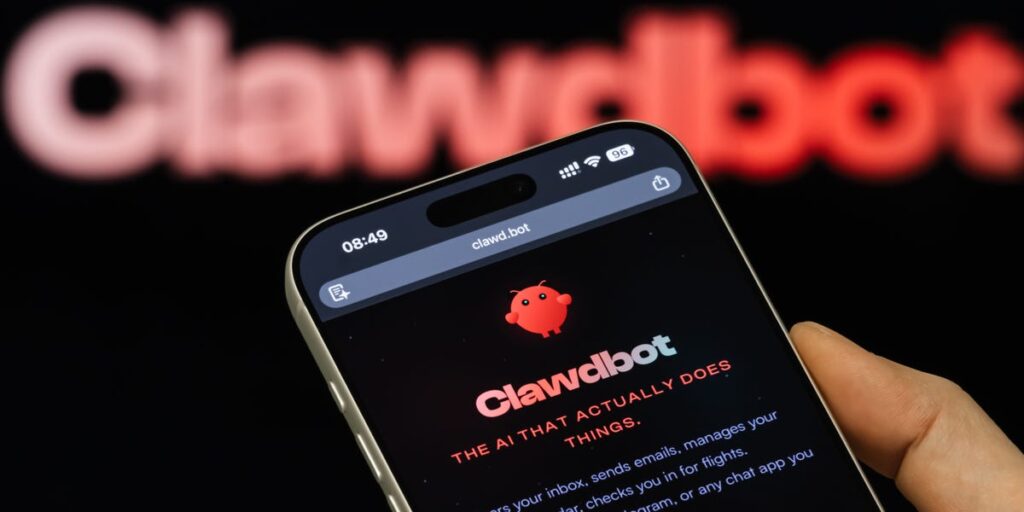
In the rapidly evolving landscape of artificial intelligence and automation platforms, recent developments highlight the nuanced interplay between innovation, trademark litigation, and market positioning. The case of Peter Steinberger and his AI agent, Moltbot (formerly known as Clawdbot), sheds light on the competitive nature of this space and the implications for business leaders in small to medium-sized enterprises (SMBs) and automation experts.
Steinberger’s initial choice of the Clawdbot name, inspired by Anthropic’s Claude Code mascot, illustrates both the potential for viral marketing and the inherent risks of brand association in the tech industry. While the transition from Clawdbot to Moltbot was executed smoothly with Anthropic’s guidance, it underscores the fragility of brand recognition, especially during early product launches. An effective AI or automation tool not only needs to perform at a high level but also requires strategic branding that can resist challenges such as trademark conflicts. Failing to navigate such challenges can result in lost traction among users and reduced momentum during critical growth phases.
The episode reveals an ongoing friction between innovation and intellectual property rights that poses a challenge for startups. The swift takeover of the Moltbot social media handle by crypto sellers—a hurdle quickly resolved with support from platform staff—further illustrates the unpredictable terrain of digital branding. Consider this when analyzing tool choices: the branding and community-building component is vital when leveraging automation tools to enhance operational efficiency.
In the context of tool comparisons, consider the strengths and weaknesses of leading platforms like OpenAI’s Codex and Anthropic’s Claude Code. Steinberger’s preference for Codex due to its straightforward nature can serve as a valuable insight for SMB leaders when selecting tools for coding and automation tasks. Codex is recognized for its user-friendly interface and simplified processes, which can be particularly advantageous for businesses lacking extensive technical expertise. This ease of use translates into reduced training costs and faster adoption rates, resulting in a higher return on investment.
In contrast, the Claude Code’s complexity, which Steinberger described as requiring more “tricks,” may present barriers to entry for less technically adept teams. The resultant higher learning curve could incur additional training expenses and potentially slow the pace of implementation—an undesirable outcome for businesses eager to reap the benefits of automation.
Scalability is another critical consideration when selecting AI and automation platforms. OpenAI has demonstrated a scalable model through an extensive API ecosystem, allowing businesses to integrate Codex across diverse applications. Thus, it supports organizations as they grow and evolve. In comparison, Anthropic, while formidable, may not yet have established the same breadth of ecosystem, creating potential limitations for businesses seeking to expand their use of automation as they scale.
Investment in automation tools also requires an assessment of cost versus value over time. Steinberger has expressed concern regarding the risk associated with Moltbot, suggesting that potential acquirers might shy away due to unresolved challenges. For SMB leaders, this means investigating the maturity of the platform and its support infrastructure. A solution with robust support resources and a community, such as those surrounding more established offerings like OpenAI’s Codex, offers a more attractive value proposition. Cumulative costs from potential setbacks, lack of support, and ongoing compliance challenges may outweigh initial investment gains.
The involvement of venture capitalists indicates a heightened interest in automation solutions, presenting a significant opportunity for disruptive startups. However, founders must weigh the implications of attracting investments against the operational complexities and risks that their technologies may introduce. For leaders in SMBs, this suggests an urgency to remain vigilant about new entrants and innovations, while being inclined to invest cautiously in tools aligned with strategic goals and broader market trends.
In summary, the landscape for AI and automation platforms is both competitive and complex, with significant implications for SMBs. Tools like OpenAI’s Codex may offer more immediate advantages in terms of ease of use and support, while Anthropic’s offerings may require a more sophisticated approach. SMB leaders should carefully consider the scalability, costs, and potential risks associated with each platform when making decisions. The overarching takeaway is clear: a proactive assessment of tools should incorporate not only their current capabilities but also the inherent risks and competitive landscape surrounding them.
FlowMind AI Insight: As the AI and automation sector continues to evolve rapidly, businesses must remain adaptable, emphasizing not just technical capabilities but also considerations such as brand positioning, risk management, and community engagement. A holistic approach to selecting and implementing automation tools can yield significant long-term benefits in today’s dynamic marketplace.
Original article: Read here
2026-01-28 17:40:00