
The rapid evolution of artificial intelligence (AI) has instigated a new wave of technological competition, particularly highlighted by the rise of platforms like DeepSeek in China. This burgeoning landscape necessitates a careful examination of various AI and automation tools—especially their strengths, weaknesses, costs, ROI, and scalability—to provide SMB leaders and automation specialists with actionable insights.
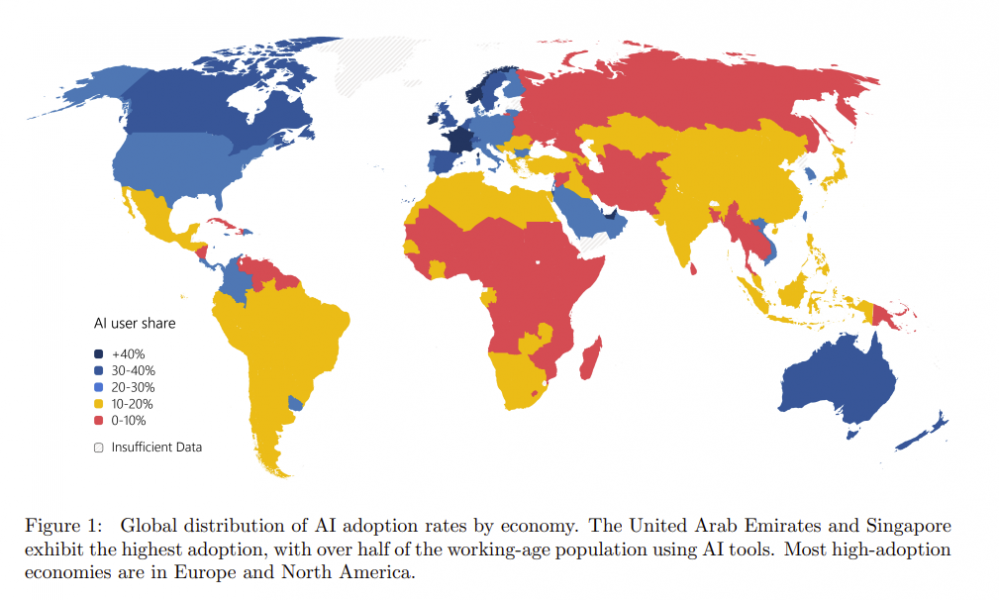
Recent data from Microsoft Research elaborates on the global AI usage landscape, indicating a marked increase in engagement within China, driven significantly by DeepSeek. As the largest AI market in the world, China’s user share has surged from 8% to an impressive 20%, underscoring the effectiveness of this platform in both attracting and retaining users. This rapid uptake is indicative not only of the platform’s capabilities but also of a broader shift in how AI tools are perceived and utilized across different demographics and economies.
From our analysis, it is important to highlight the comparative strengths and weaknesses of popular automation and AI platforms, such as Make and Zapier, or OpenAI and Anthropic. Make, previously known as Integromat, excels in its ability to create complex workflows with an intuitive visual interface, allowing for intricate process automation that SMBs leveraging multiple apps may find invaluable. Zapier, however, offers a more user-friendly approach with a rich app ecosystem that makes it easier for non-technical users to connect disparate services. Zapier’s pricing structure, based on the number of tasks, tends to favor smaller operations, while Make’s tiered pricing is aligned with users seeking advanced functionalities. Therefore, understanding the specific needs of an organization is critical in choosing the right tool, depending on their budget and desired automation complexity.
When evaluating AI platforms, OpenAI and Anthropic present a compelling case. OpenAI’s robust capabilities, particularly in natural language processing, provide a versatile tool that can be applied across various use cases in customer service, content generation, and data analysis. However, operational costs and the need for fine-tuning can be challenges for SMBs with limited budgets and technical resources. Anthropic, on the other hand, focuses on developing AI systems in a manner that prioritizes safety and usability. While its approaches may result in a steeper learning curve and initial investment, it offers a long-term ROI by mitigating risks associated with misalignment and unpredictability in AI behavior.
Scalability is another critical consideration in the selection of AI and automation platforms. The ability to adapt and grow alongside an organization’s needs can significantly influence the success of the technology implementation. For instance, tools that offer tiered pricing based on usage patterns can provide a degree of flexibility, making them ideal for businesses that expect rapid growth or seasonal fluctuations.
Moreover, the data from Microsoft indicates that high adoption rates tend to correlate strongly with GDP, suggesting that economically developed regions are more likely to integrate these technologies. This observation drives home the point that, for SMB leaders, understanding market dynamics and user behavior in the context of economic status is essential when deciding on the implementation of AI solutions.
As SMB leaders evaluate these tools, they are advised to consider several clear takeaways. First, aligning the choice of platform with the organization’s objectives and technological capabilities is paramount. Second, it is critical to understand the trade-offs between ease of use and functionality when selecting automation and AI tools. Third, SMBs should conduct a thorough cost-benefit analysis that accounts for both immediate costs and projected long-term benefits, including potential savings from increased efficiency and improved service delivery.
Furthermore, investing in training and support for employees will not only foster more effective use of these technologies but also enhance overall engagement within the organization as they transition into a more automated and AI-driven environment.
FlowMind AI Insight: In this rapidly evolving AI landscape, SMB leaders must strategically navigate their options to harness the full potential of automation and AI tools. By prioritizing alignment with organizational needs, understanding market dynamics, and investing in user training, businesses can maximize ROI and remain competitive in an increasingly digital ecosystem.
Original article: Read here
2025-10-08 10:28:00