
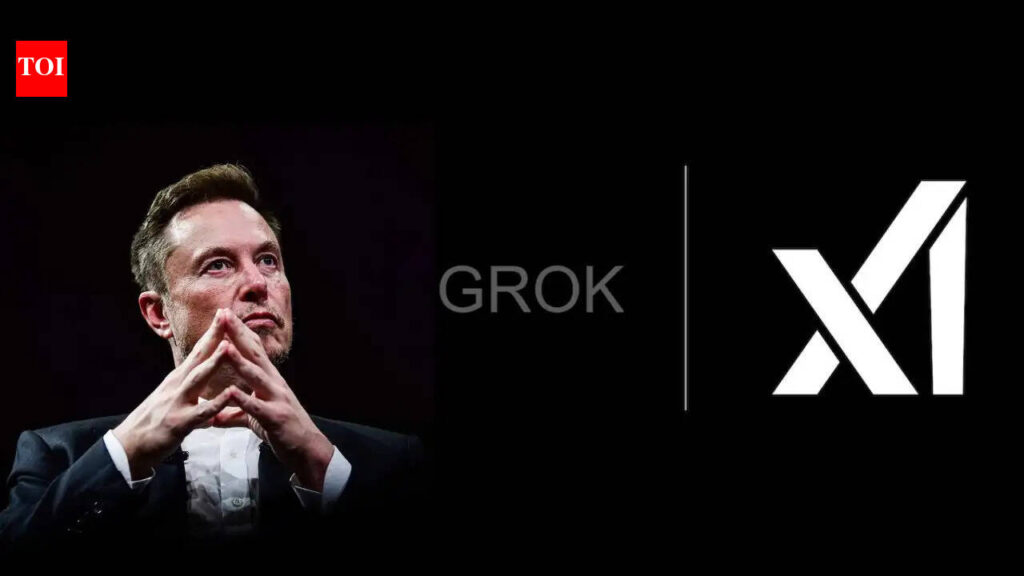
Elon Musk’s AI initiative, xAI, has made significant inroads into the defense sector by signing a contract with the Pentagon to utilize its AI model, Grok, for classified military applications. This move comes amid escalating tensions regarding the ethical and operational use of artificial intelligence, particularly related to military functionalities. For months, the Pentagon has been reliant on Anthropic’s Claude AI, which has been the exclusive model deemed suitable for critical missions, such as weapons development and battlefield operations. However, differing positions concerning safety protocols have necessitated a search for an alternative.
The Contrasting Approaches: xAI vs. Anthropic
A key point of contention between the Pentagon and Anthropic revolves around the ethical boundaries of AI deployment. The Pentagon’s requirement for technology to be amenable to “all lawful purposes” runs counter to Anthropic’s restrictions on the use of its AI for mass surveillance or autonomous lethal decision-making. xAI, on the other hand, has made a strategic choice to accept these terms to position itself as a formidable competitor in a lucrative market. This willingness to align with military needs could provide xAI with a considerable first-mover advantage in a niche yet critical sector.
Cost Dynamics and Return on Investment
While the prospect of Grok serving the Pentagon’s classified operations is promising, evaluating the cost structures associated with various AI solutions is essential for organizations in similar sectors. xAI’s pricing model remains relatively undefined, making it difficult to gauge the economic feasibility of replacing Claude. In contrast, Anthropic has been positioned as a premium option; however, its restrictions could lead to higher operational costs for the Pentagon, primarily due to potential limitations in the scope of AI applications.
Generative AI platforms like those developed by OpenAI and Google may also enter the fray, potentially heightening competition and affecting pricing dynamics. Google’s imminent deal for its Gemini model with the Pentagon illustrates how rapidly evolving technology options can drive policy changes and operational strategies within defense frameworks.
Market Scalability and Technological Robustness
Scalability is another significant factor when weighing AI platforms for military and other high-stakes operations. Anthropic’s Claude is already integrated into essential defense systems, demonstrating its robustness. The challenge for xAI, and any newcomers such as OpenAI or Google, will be to effectively penetrate these entrenched systems. For the Pentagon, shifting from an established AI provider to a new technology could involve considerable time and financial investment, not to mention the training required to familiarize personnel with new systems.
Furthermore, the need for flexibility in scaling operations in accordance with mission requirements highlights the importance of adaptability in AI platforms. Platforms like Zapier and Make for automation illustrate how this flexibility can be achieved in non-military sectors, allowing businesses to adapt AI functionalities quickly without overhauling existing workflows. A similar requirement exists for military applications, where agility is critical for responding to rapidly changing operational conditions.
Comprehensive Evaluation and Future Recommendations
As organizations consider various AI tools, the comprehensive evaluation of strengths and weaknesses becomes paramount. For those currently utilizing Claude, the choice of transitioning to xAI or waiting for advancements from Google or OpenAI should involve careful consideration of the operational risks and potential disruptions. A data-driven approach can facilitate this evaluation, allowing leaders to assess both the long-term ROI and the incremental costs related to transitioning AI platforms.
Another consideration is the evolving regulatory landscape surrounding AI and automation. As the Pentagon insists on stringent ethical standards, all companies seeking to engage with military contracts will need to adapt swiftly. This calls for investment not just in AI technology but also in ethical compliance training and risk management frameworks to mitigate unforeseen challenges.
FlowMind AI Insight: Successful integration of AI in high-stakes environments necessitates a proactive approach to ethical considerations, operational flexibility, and cost structures. Organizations must be prepared to evaluate tools not just on their immediate capabilities but also on their long-term viability and adaptability to evolving marketplace needs.
Original article: Read here
2026-02-24 11:33:00