
Designing, deploying, and monitoring an AI-powered automation for a small or mid-size business can revolutionize operational efficiency and streamline workflows. This guide provides step-by-step instructions, allowing non-developer operations managers to leverage AI technologies effectively.
Start with prerequisites: ensure you have access to an AI platform, such as Microsoft Azure, Google Cloud, or AWS. Familiarize yourself with the available services. You will also need to identify a specific process that can benefit from automation, such as customer inquiries or invoice processing.
Next, define the scope of your automation. Document the current process, outlining key pain points where delays or errors frequently occur. Gather input from team members involved in this process to ensure clarity on expectations and requirements.
Once you’ve defined the scope, it’s time for configuration. Log into your AI platform and navigate to the automation tools section. Create a new automation project, using a visual interface to map out the steps of the process you wish to automate. Input example scenarios to reflect typical operations. For instance, if automating customer inquiries, input common questions and expected responses.
After setting up your automation workflow, initiate testing. Before going live, run simulations to ensure that the AI behaves as expected. Initiate test runs with various inputs, including valid and invalid scenarios, to evaluate how the AI responds and resolves issues. Monitor the logs for errors or unexpected behavior. This will help in fine-tuning your configuration.
Upon successful testing, deploy the automation in a controlled environment. Start small, perhaps with a limited user group. This allows you to gently transition the AI into the operational framework without disrupting daily activities. Use feedback from this group to make further adjustments as necessary.
Monitoring is crucial for maintaining operational integrity. Set up metrics to track the performance of your automation. Metrics might include processing time, error rates, and user satisfaction scores. Your AI platform should provide dashboards where you can visualize these metrics in real time. This will assist in immediate troubleshooting and long-term improvement.
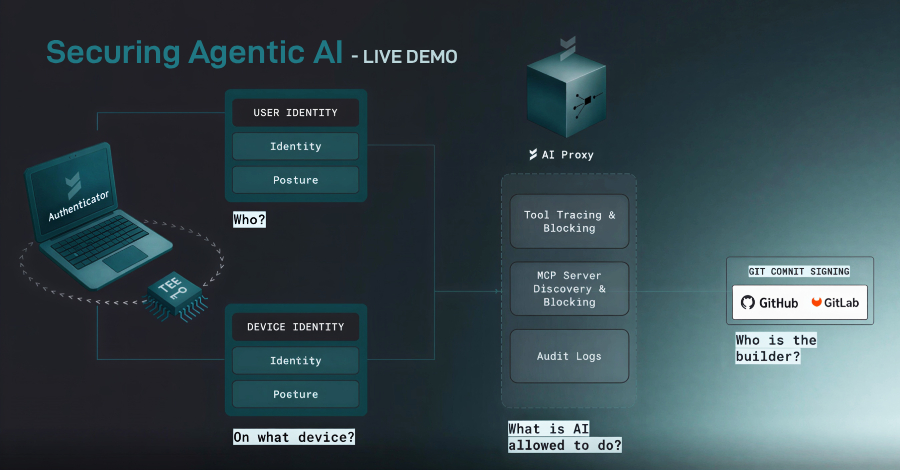
Address security and privacy proactively. Ensure that data is encrypted both in transit and at rest. Implement access controls to limit who can modify or view your automation. Regular audits of your automation’s access logs help identify any potential security breaches.
Data retention policies should also be established to align with legal and regulatory requirements. Clearly state how long data will be kept, how it will be managed, and when it will be deleted. To mitigate risks associated with vendor lock-in, ensure your automation processes can integrate with various platforms. Keep documentation of your workflows so they can be easily transferred if necessary.
When estimating the return on investment (ROI), consider both direct savings from operational efficiencies and indirect benefits such as improved customer satisfaction. Calculate hard savings by comparing the cost of operating your automation against previous manual processes. Factor in training costs and time to proficiency for staff in using the new system.
Ongoing maintenance is vital for ensuring that your AI automation continues functioning effectively. Regularly update your models based on feedback and new data. Scheduling routine check-ins with your team can help you adapt your automation as business needs evolve.
FlowMind AI Insight: As AI technologies reshape operational landscapes, understanding the infrastructure behind them—like Machine Control Protocols and their implications—becomes critical. By following these structured steps for AI automation, businesses can enhance their processes while maintaining strict security and compliance standards.
Original article: Read here
2026-01-13 13:44:00