
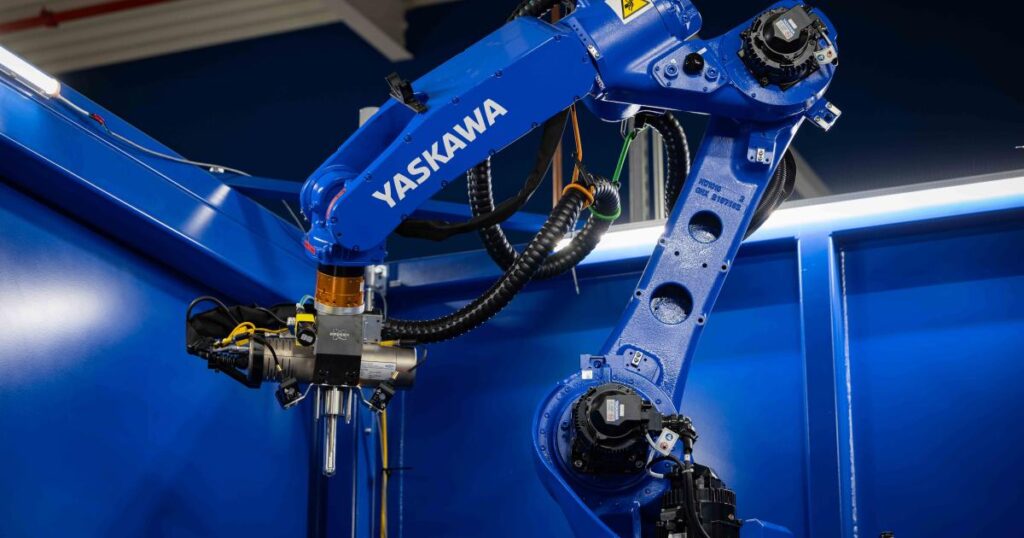
In today’s rapidly evolving business landscape, small to medium-sized businesses (SMBs) are increasingly turning to automation to enhance efficiency and reduce costs. The integration of artificial intelligence (AI) into daily operations not only provides a competitive edge but also streamlines workflows that can significantly bolster productivity. Companies like GE Aerospace are already leveraging robotics and AI to optimize their services and R&D processes, showcasing the transformative power of these technologies. As SMB leaders, understanding how to implement automation effectively can be crucial for growth and sustainability.
To begin integrating automation into your business, first assess your operational workflows. Identify repetitive tasks and processes that consume significant time but yield minimal value. Common areas that benefit from automation include customer relationship management (CRM), inventory management, financial reporting, and data entry. By pinpointing these pain points, you can prioritize which processes to automate first.
Once you’ve delineated the tasks ripe for automation, the next step is to select the right tools. Platforms such as Make and Zapier offer user-friendly interfaces that facilitate the automation of workflows without requiring extensive technical expertise. Make, for instance, allows users to create intricate workflows that connect various applications, while Zapier enables the integration of different apps seamlessly. With both of these platforms, you have the tools required to create a more efficient operational model by connecting applications and automating routine tasks.
The implementation phase involves creating specific workflows based on the tasks you’ve identified. Start small to mitigate risks and gradually scale your automation initiatives. For example, if you are automating a data entry task, create a ‘zap’ in Zapier that automatically populates a spreadsheet with user information collected from web forms. This can save hours every week that can be redirected towards more strategic initiatives.
Next, monitor the effectiveness of your automation initiatives. Set key performance indicators (KPIs) to measure improvements in efficiency, cost savings, and time management. This data will be invaluable for justifying the return on investment (ROI) associated with your automation efforts. Additionally, regularly review and refine your workflows, as automation is not a one-time endeavor, but rather an evolving process that should adapt to your business’s changing needs.
While the opportunities presented by automation through AI tools are significant, companies must also be aware of potential risks. Data security is a critical concern, as increased automation means handling more sensitive information. It is imperative to ensure that any tools you employ comply with data protection regulations and maintain high security standards. Furthermore, employee training should accompany any new technology adoption; ensure that your team understands how to use these tools effectively to benefit from automation fully.
In looking to the future, SMBs integrating AI with automated workflows stand to gain a robust competitive advantage. Beyond immediate efficiency gains, automation can also enhance customer experience by allowing businesses to respond to inquiries or process orders faster than ever before. Additionally, as businesses become more data-driven, the insights gained from automated reporting can inform strategic decisions and lead to growth opportunities previously overlooked.
Furthermore, automation serves as a foundation for scaling a business. As your organization grows, the repetitive tasks can become amplified. Establishing automated processes early on ensures that you can scale efficiently without encountering the bottlenecks commonly associated with business growth. This proactive approach not only alleviates pressure on existing staff but also enables new hires to focus on higher-impact work from the onset.
From the perspective of customer engagement, using AI tools can facilitate personalized interactions at scale. Automation can manage marketing campaigns, scheduling, and follow-ups in a way that feels tailored for each customer, fostering loyalty and retention. By understanding customer behavior through automated analytics, your business can better meet their needs and preferences.
In conclusion, the journey towards implementing automation in your SMB involves a strategic assessment of workflows, careful selection of tools, and ongoing evaluation of results. By diversifying your operational capabilities through platforms like Make and Zapier, you can create streamlined processes that drive efficiency and support scalability. Remember that the landscape of automation is continually changing, and keeping abreast of industry developments can enhance your competitive edge.
FlowMind AI Insight: The future of SMBs lies not in merely adopting automation but in doing so strategically. By engaging transformative AI tools, businesses can not only streamline daily operations but also unlock new avenues for growth and innovation. Embrace automation to empower your team and future-proof your business against the evolving market demands.
Original article: Read here
2025-08-25 05:21:00