
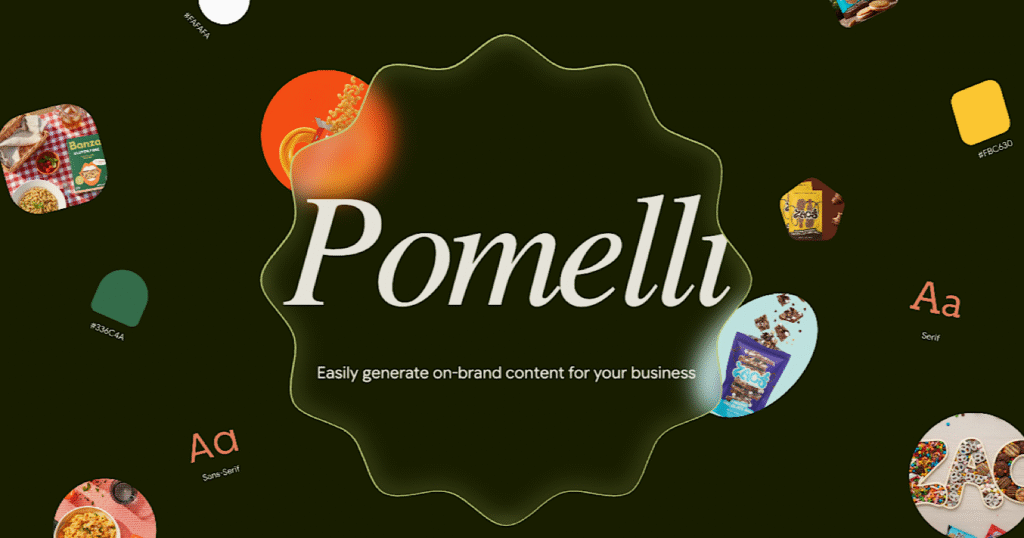
In the ever-evolving landscape of small to medium-sized businesses (SMBs), the demand for innovative tools that enhance marketing capabilities is surging. Among these tools, Pomelli, an AI-based application developed by Google Labs and DeepMind, stands out for its ability to create a “Business DNA” profile from a company’s website. This unique profile enables consistent content across various channels and generates customizable branded campaign assets. Understanding how Pomelli stacks up against other automation tools, such as Mailchimp and HubSpot, sheds light on their features, reliability, pricing, and the ideal scenarios for their use.
Pomelli’s strength lies primarily in its ability to analyze a website’s content and generate a thorough profile, which informs its marketing strategies. This is particularly advantageous for small businesses with limited resources that may struggle with maintaining consistent branding. While Pomelli focuses on content generation and profiling, Mailchimp excels in email marketing automation. Its features include audience segmentation, customizable email templates, and performance tracking. Alternatively, HubSpot offers a more comprehensive CRM solution, which integrates marketing, sales, and service tools into one platform.
Reliability is crucial for any tool in the SMB space. Pomelli, being a Google Labs initiative, is underpinned by strong technology but may not yet have a large number of testimonials or case studies supporting its performance. In contrast, Mailchimp and HubSpot are tried and tested, with both companies maintaining a lengthy track record of adapting and evolving their offerings based on user feedback. For instance, Mailchimp has consistently updated its automation features, while HubSpot remains a leader in CRM integrations.
When it comes to pricing, Pomelli is still new and may provide competitive options for SMBs aiming to test such innovative tools without hefty expenditures. Mailchimp, on the other hand, operates on a freemium model that allows businesses to start for free up to a specific number of contacts, making it an attractive entry point for smaller companies. HubSpot’s pricing reflects its comprehensive suite of services, making it more suitable for larger organizations or those with established marketing budgets. New SMBs may initially lean towards Mailchimp for basic email marketing needs before considering fuller integrations with HubSpot as business complexity grows.
Integrations are another significant area of difference. Pomelli promises a seamless integration with various platforms, but the extent of its capabilities is still being explored in real-world scenarios. Mailchimp has extensive integrations ranging from social media platforms to e-commerce sites, ensuring a robust ecosystem for businesses looking to expand their audience reach. HubSpot provides similar integrations but excels in linking marketing efforts directly to sales and customer service functions, fostering a more interconnected approach to customer engagement.
Migrating to any new tool involves certain risks, and low-risk pilot phases can allow a business to test functionalities before fully integrating. For Pomelli, a pilot might include creating a Business DNA profile and generating just a few marketing assets before rolling it out across all channels. For organizations considering Mailchimp, starting with the free tier and gradually introducing automation features can provide valuable insights into email marketing’s effectiveness without necessitating immediate financial outlay. In the case of HubSpot, businesses can conduct a pilot by leveraging either its free CRM tier or initial marketing tools, allowing them to verify ROI before commitment.
Total cost of ownership (TCO) should factor in not only initial costs but ongoing usage expenses, potential training requirements, and the time invested in managing these tools. Pomelli’s TCO is still uncertain but may offer a more attractive alternative for businesses seeking content-centric solutions. In comparison, Mailchimp’s cumulative costs are clear-cut, with pricing based on contact tiers, whereas HubSpot can become quickly expensive as additional features and user licenses are added.
Expected ROI within three to six months can be influenced significantly by the chosen tool. Businesses leveraging Pomelli, for instance, may see quicker recognition benefits from consistent branding and automated campaign generation, directly impacting sales or lead generation numbers. With Mailchimp, users often report higher engagement rates and improved click-through percentages, which can translate to immediate sales increases. HubSpot may provide a slower burn but ultimately delivers long-term ROI through integrated customer relationships that facilitate upselling and retention.
FlowMind AI Insight: The choice between Pomelli, Mailchimp, and HubSpot largely depends on your immediate business needs and future growth trajectory. Pomelli offers innovative content generation for companies focused on brand consistency. Mailchimp provides an ideal entry-level solution for email marketing, while HubSpot shines in integrated marketing management. Understanding each tool’s strengths and limitations will empower SMBs to make strategic decisions that align with their operational goals.
Original article: Read here
2025-10-29 07:00:00