
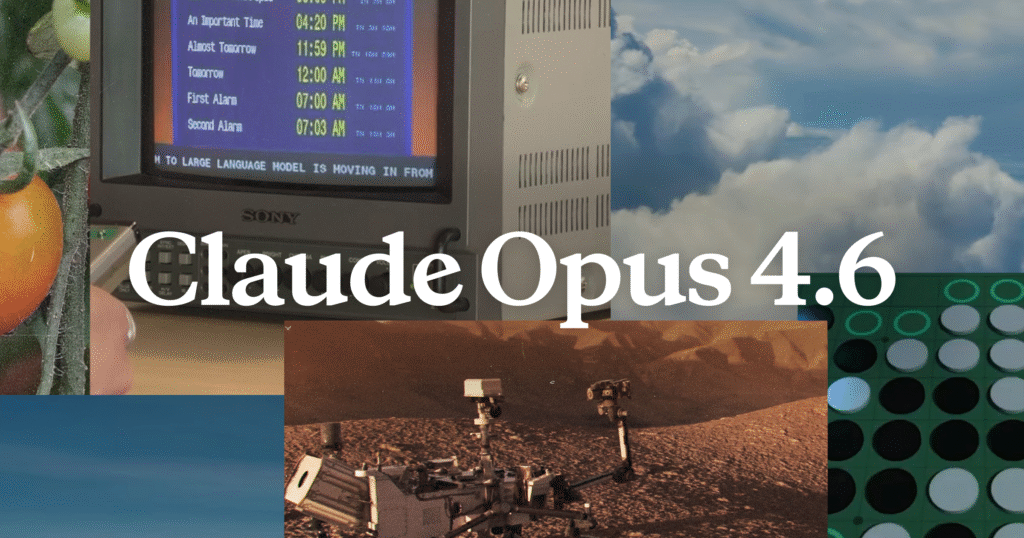
The recent HumanX AI conference underscored the transformative potential of agentic AI, particularly through advancements in chatbot technologies. As thousands of tech professionals converged at the Moscone Center in San Francisco, discussions focused on the implications of deploying automation tools to enhance business efficiency. This landscape is not merely about convenience; it encapsulates a strategic shift toward leveraging AI to gain competitive advantage.
One of the principal topics of discussion was Claude, a chatbot that has ascended in popularity and functionality, often overshadowing its competitors, notably OpenAI’s ChatGPT. Vendors expressed a notable disappointment with OpenAI, suggesting that the performance of ChatGPT has declined. This perception appears to correlate with OpenAI’s recent retraction from multiple projects, including its AI video generator, Sora. The company’s shift in focus raises concerns regarding its strategic direction, despite securing $122 billion in funding and a looming IPO.
Comparatively, Anthropic is emerging as a rival that has demonstrated agility in engaging business users, highlighting the challenges that OpenAI faces. With a competitive landscape that is rapidly evolving, the analysis of these platforms reveals crucial differentiators. For instance, while OpenAI’s introduction of a new $100 subscription tier for ChatGPT seeks to attract users by offering enhanced access to its Codex tool, the question remains whether this will be sufficient to retain market leadership. In contrast, Anthropic’s strategic focus has cultivated a reputation for producing reliable models that address specific business needs without overwhelming users with unnecessary complexity.
In evaluating these platforms, one cannot overlook the importance of scalability and ROI. Both OpenAI and Anthropic have demonstrated rapid growth, classified by The Wall Street Journal as the fastest-growing companies in tech history. However, understanding user experiences reveals varying sentiments regarding the reliability and adaptability of these systems to unique business contexts. For SMB leaders, selecting an AI platform necessitates comprehensive evaluation criteria that should include not only initial costs but also long-term ROI, user scalability, and the potential for integration within existing workflows.
Automation tools such as Make and Zapier epitomize the rapid evolution of automation technologies. While Make offers a more customizable experience, Zapier excels in its user-friendly interface and extensive integration capabilities. The choice between these platforms often hinges on specific business needs—companies seeking simplistic automation may gravitate toward Zapier, whereas those desiring tailored workflows might find greater satisfaction with Make. Comparative analysis indicates that while both platforms facilitate task automation, their ROI can vary based on user engagement and complexity of tasks automated.
In conjunction with technological evaluations, the perceptions of leadership within these organizations merit significant attention. OpenAI CEO Sam Altman has been a polarizing figure, with critiques about trustworthiness arising from his leadership decisions, including the company’s controversial collaborations and its decision to introduce advertising into ChatGPT. Defensive sentiments presented by Brett Taylor, chairman of OpenAI’s board, suggest a need for stronger messaging around leadership and accountability in light of intensified scrutiny.
Investors and users alike should assess the reputational dimensions of these organizations, as leadership stability can directly influence the adoption of their technologies. The tech community’s preoccupation with agency in AI reflects an urgent desire to harness automated systems, yet it also illustrates the intertwined challenges of governance and ethical oversight—issues that will likely shape the future landscape of AI development.
The key takeaway for SMB leaders and automation specialists lies in a nuanced understanding of how these advancements can be strategically harnessed. The choice of a chatbot platform or automation tool should not merely be dictated by current trends or performance metrics, but rather by aligning the technology’s capabilities with specific organizational goals. As the capabilities of agents like Claude enhance, organizations must remain vigilant and proactive in adapting their AI strategies, ensuring they are not merely reactive in an increasingly dynamic environment.
FlowMind AI Insight: As the automation and AI landscape evolves, organizations must take a strategic approach to technology adoption and application. By evaluating AI platforms holistically—through the lenses of reliability, scalability, cost efficiency, and leadership integrity—SMBs can position themselves at the forefront of innovation and efficiency.
Original article: Read here
2026-04-13 12:23:00