
In today’s fast-paced market, businesses are increasingly turning to artificial intelligence to enhance productivity and streamline operations. For small and mid-sized enterprises, implementing an AI-powered automation system can significantly impact efficiency and decision-making. This step-by-step guide aims to help operations managers design, deploy, and monitor an AI-powered automation system, even without extensive technical expertise.
To begin, it’s crucial to define the business problem that the AI solution will address. Identify repetitive tasks or workflows that could be enhanced through automation. Examples might include inventory management, customer inquiries, or data processing. Ensuring a clear understanding of these requirements will set the foundation for a successful deployment.
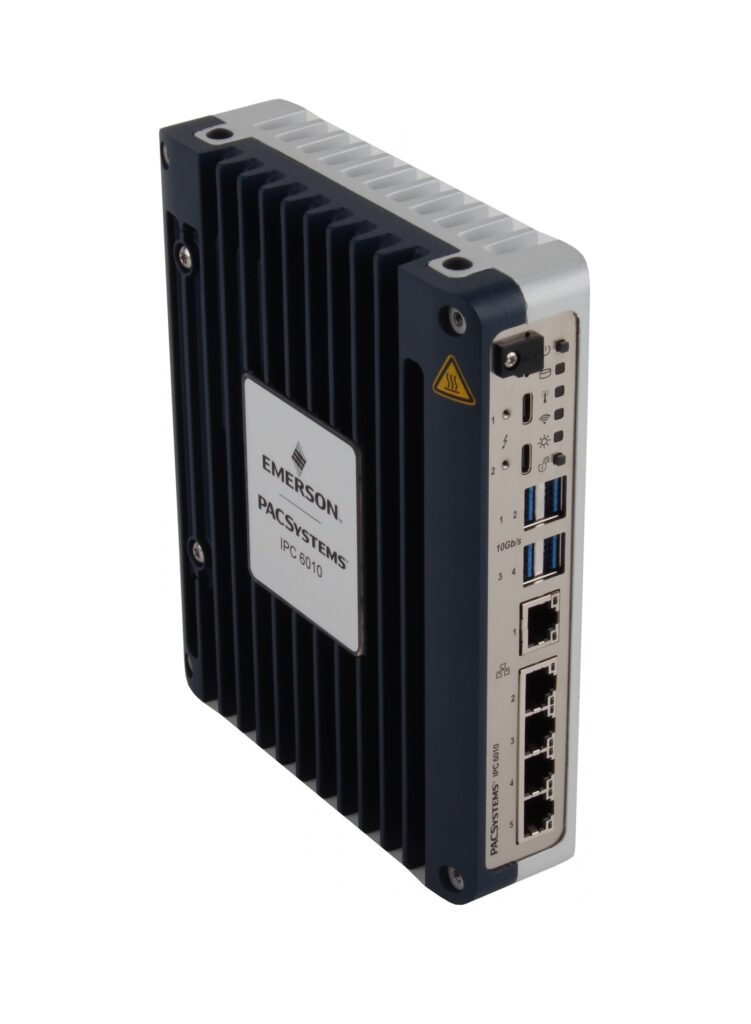
Next, assess the prerequisites for the system. First, evaluate your current IT infrastructure. Ensure you have the necessary hardware, like Emerson’s PACSystems IPCs, which offer the computational power and reliability needed for AI tasks. These industrial computing platforms come equipped with the latest Intel Core processors and extensive memory, making them suitable for real-time analytics and machine learning tasks.
Once you have the hardware in place, choose the appropriate software platform. Depending on your specific requirements, you might consider pre-installed options such as Windows IoT Enterprise or Linux. Both provide a reliable environment for deploying AI models. Leverage tools that allow for customization to tailor your solution better to your business needs.
Configuration steps involve integrating the hardware and software components. Establish communications between the PACSystems IPCs and your existing data sources, be it databases or cloud solutions. Follow the guidelines in the respective documentation for setting up the communication protocols effectively. This might include configuring network settings, ensuring security protocols are in place, and defining user access controls.
Before going live, conduct rigorous testing of your automated solution. Simulate various scenarios to see how the system performs under stress. Monitor for any anomalies or failures, focusing on data accuracy and response times. Evaluate metrics such as processing speed, error rates, and workload capacity. In this testing phase, it’s essential to act as if you were already in a live environment, as this will uncover issues that may not surface in a controlled setting.
Once the system passes all tests, it’s time to deploy it. Roll out the solution in stages, starting with a pilot project. This will allow you to gather feedback and make necessary adjustments without impacting the entire business operation. After a successful pilot, gradually scale up, incorporating more functions and workflows into the automated system.
Monitoring is vital to ensure the ongoing performance of your AI-powered automation. Utilize built-in analytics to track software performance and user engagement. Regularly examine key performance indicators (KPIs) that are relevant to your business objectives. Make use of alert systems to notify you of any irregularities, allowing for swift corrective actions.
Error handling should be an integral component of your system design. Define clear procedures for how to address common errors. This could include logs that record failures, guidelines for troubleshooting, and whom to contact for support. Have contingency plans ready should the automation fail, ensuring minimal impact on operations.
Cost control introduced during the setup phase will be essential for long-term sustainability. Keep close tabs on initial investment costs, including hardware, software, and consulting fees. Following deployment, track ongoing costs such as maintenance and updates. Compare these with the efficiencies gained through automation to gauge return on investment (ROI). A well-calibrated ROI model not only helps justify the costs but also informs decisions about scale and further investment.
Security, data retention, and privacy are critical considerations when implementing AI-powered solutions. Ensure that all sensitive information is protected through encryption and access controls. Use built-in Trusted Platform Module (TPM) features to safeguard against data leaks. This step is not just a regulatory requirement but a best practice that can foster trust with customers and stakeholders.
Data retention policies should also be established early in the process. Decide how long different types of data will be stored based on regulatory requirements and business needs. Automate data management where applicable to streamline compliance and minimize risks associated with data breaches.
Vendor lock-in is another concern that often arises with proprietary systems. To mitigate this, aim for solutions that allow for flexibility and interoperability. Using open standards for APIs can help facilitate easier integration with other tools and systems, ensuring you are not excessively tied to one vendor.
FlowMind AI Insight: Investing in AI-powered automation for your small or mid-sized business offers substantial benefits, such as improved efficiency and data-driven decision-making. By following these steps—defining your goals, configuring systems, conducting thorough testing, and addressing security concerns—you can effectively harness AI’s potential while safeguarding your business interests. Moreover, maintaining a clear focus on cost control and ROI will prepare you not only for successful deployment but also for ongoing optimization and growth.
Original article: Read here
2025-10-10 09:45:00