
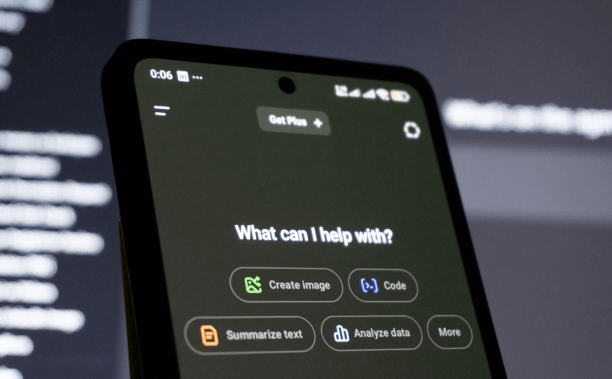
The escalation of artificial intelligence (AI) and automation tools presents a myriad of options for small and medium-sized business (SMB) leaders seeking to enhance operational efficacy. With the competitive landscape becoming increasingly robust, a critical analysis of leading platforms can help decision-makers discern where best to invest. Recent developments from OpenAI and Anthropic exemplify this competitive tension.
OpenAI has recently increased the usage limits for its Codex coding agent, allowing significant flexibility for software development tasks until January 2026. Codex is tailored for developers, capable of managing complex coding errands from textual descriptions or visual inputs. This opens up various avenues for integrations; it can function directly within IDEs such as Visual Studio Code, as a command-line interface, or embedded within platforms like ChatGPT, making it versatile and adaptable in diverse workflows.
Conversely, Anthropic’s Claude offers a comparable level of sophistication in natural language processing and user interaction. Anthropic’s promotion, which allows Claude Pro and Claude Max users to benefit from doubled usage limits over New Year’s, serves to streamline operations primarily for individual contributors in the software ecosystem. While the promotion excludes Team and Enterprise plans, the double limits are enticing for users reliant on Claude for intensive conversational AI tasks. Both platforms demonstrate a commitment to understanding and responding to user workloads, thereby indicating a growing emphasis on user-centric service models.
In evaluating the strengths and weaknesses of these platforms, it is important to consider not only functionality but also cost and return on investment (ROI). Codex’s broad applicability in software development could potentially yield a higher ROI for SMB leaders focused on technical projects. However, this comes with the initial investment of time and resources needed to onboard teams to effectively leverage its capabilities.
On the other hand, Anthropic’s Claude excels in natural language understanding and generation, which can be particularly beneficial for businesses engaging in customer interactions or needing support systems that utilize conversational AI. The promotional usage limits, while significant, must be examined from a cost perspective as well, especially for businesses contemplating the scalability of seasonal usage boosts.
When analyzing overall scalability, it is critical to consider how each platform accommodates growing workloads. Codex’s usage flexibility may lead to diminished operational friction for growing tech teams. However, Claude’s focus on conversational engagements may offer broader application in multitasking environments, wherein customer interaction could be processed at a pace that objective scalability advocates.
Both platforms have been deliberately responding to user feedback, as evident from their promotional strategies. This interaction underscores a competitive backdrop where user engagement becomes essential. With recently reported gains in user interaction and satisfaction, these firms are strategically leveraging temporary rate increases to enhance user retention and expand their influence over the market.
SMB leaders should consider a multi-faceted approach when determining investment in either of these AI platforms. Those in the tech sector or needing advanced coding capabilities may find OpenAI Codex more applicable, especially for seasonal projects that require heightened coding power. In contrast, organizations focusing on interactive customer relations should evaluate the increased output from Anthropic’s Claude, particularly if they frequently engage users through conversational interfaces.
In conclusion, while both OpenAI and Anthropic present potent solutions designed to enhance productivity and responsiveness within SMBs, the approach must conform to distinct operational needs and strategic goals. Cost, functionality, and marketing engagement should govern investment decisions, particularly as both companies are showcasing a willingness to innovate in response to user demand.
FlowMind AI Insight: The ability to adapt to evolving user needs is paramount in the competitive AI landscape. Both OpenAI and Anthropic signify a strategic pivot towards user-centric models that can ultimately drive sustainability and growth for SMBs leveraging these innovative platforms. As businesses weigh their options, a clear understanding of individual requirements will lead to informed investment choices in these transformative technologies.
Original article: Read here
2025-12-27 09:10:00