
In the rapidly evolving field of artificial intelligence, recent developments have sparked significant discourse around the implications of integrating advanced AI systems into sensitive sectors, particularly military applications. The agreement between OpenAI and the Pentagon to deploy ChatGPT in classified military environments has not only raised eyebrows but has also ignited a competitive response from rivals, specifically Anthropic, which had its AI system, Claude, sidelined in the process. This scenario offers an enlightening lens to analyze the strengths and weaknesses of various AI platforms, particularly as businesses assess costs, scalability, and return on investment (ROI).
On one hand, OpenAI’s ChatGPT is renowned for its sophisticated natural language processing capabilities. Its ability to generate human-like text and understand nuanced prompts makes it a formidable tool for numerous applications beyond military use, including healthcare, customer service, and content creation. OpenAI’s reputation and ongoing enhancements to its systems contribute to a perceived reliability that many enterprises seek when considering AI integrations. However, as demonstrated by the backlash following the Pentagon deal, public perception and ethical considerations surrounding a company’s actions can significantly impact its standing in the marketplace, as seen by OpenAI’s declining ratings in the Apple App Store post-announcement.
Anthropic’s Claude, on the other hand, is crafted with a particular emphasis on safety and ethical considerations, as evidenced by its stringent conditions surrounding military applications, which aim to prevent misuse. This strategic positioning, while limiting in certain contexts, helps to cultivate trust among users concerned about AI’s potential for abuse in surveillance and armed conflicts. In this dynamic, businesses must consider not just the technological prowess of these systems but also how well they align with their ethical values and public expectations.
When examining the cost structure and scalability of these platforms, OpenAI’s ChatGPT presents a robust solution capable of handling a wide array of tasks, but may require a more nuanced pricing strategy as usage scales. In contrast, Claude’s defensive stance may render it a more affordable option for businesses prioritizing ethical compliance, albeit potentially at the cost of certain functionalities. Companies need to conduct comprehensive cost-benefit analyses that take into account not only immediate expenses but also long-term implications of technological deployments, particularly as these tools become more deeply embedded within operational frameworks.
The ROI from these AI systems can vary depending on the specific use case. OpenAI’s ChatGPT may lead to increased efficiencies in processes like customer interaction or data analysis. Its adaptability allows businesses to implement it across various functions, driving potential cost savings and enhancing user engagement. Conversely, Claude’s approach could yield stronger reputational capital and risk mitigation, which are invaluable in today’s market landscape where corporate responsibility plays an ever-expanding role in consumer decision-making.
Moreover, as companies consider scalability, it’s crucial to analyze the infrastructure that supports these platforms. OpenAI has invested substantial resources into global infrastructure, potentially positioning ChatGPT as a more reliable choice for enterprises with expansive demands. Meanwhile, Anthropic’s offerings may appeal to niche sectors where ethical considerations outweigh the need for high-volume output. Business leaders must assess not only their current operational needs but also their growth trajectories, ensuring that chosen AI platforms can evolve in tandem with their organizations.
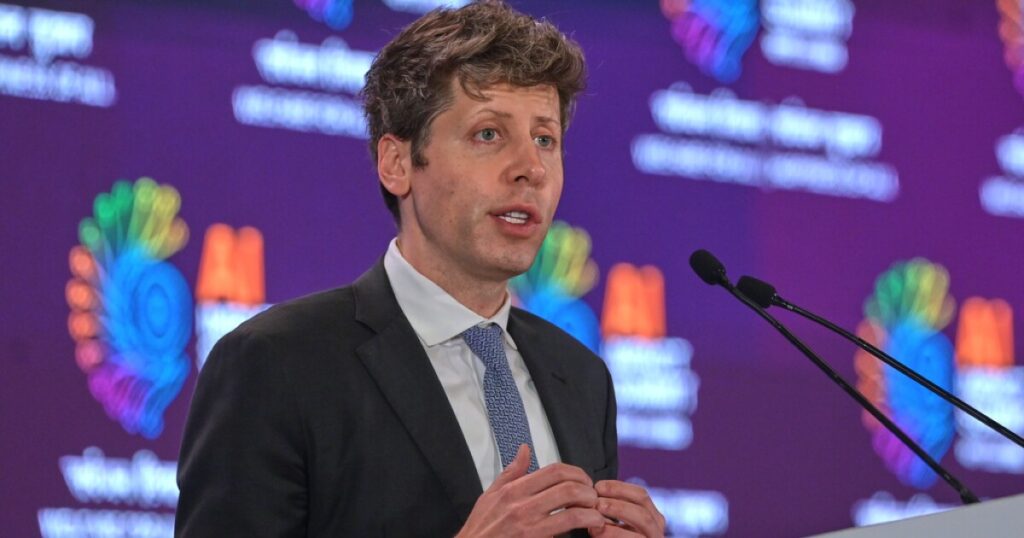
In the case of OpenAI, CEO Sam Altman has recognized that the company’s rapid movement into military collaboration underestimated the importance of comprehensive communication and stakeholder considerations. His acknowledgment of rushed messaging reflects a learning curve that many leaders face in high-stakes decisions where technology meets ethical imperatives. Such experiences underscore the necessity for ongoing dialogue within the community about how best to leverage these powerful tools while safeguarding ethical frameworks that resonate with broader societal concerns.
To conclude, the dynamics between OpenAI and Anthropic provide a vital case study in the current AI landscape, illustrating the intricate balance between technological prowess, ethical responsibility, and market positioning. Business leaders and automation specialists must remain vigilant in their evaluations of such platforms, focusing not only on their capabilities but also on how well they coexist with the values of their organizations and the communities they serve.
FlowMind AI Insight: As organizations navigate the complexities of AI integration, they must prioritize ethical frameworks while assessing the ROI and scalability of available platforms. Establishing a robust decision-making process that incorporates these multifaceted considerations will enhance competitive advantage and foster sustainable growth in an increasingly digitized world.
Original article: Read here
2026-03-04 17:15:00