
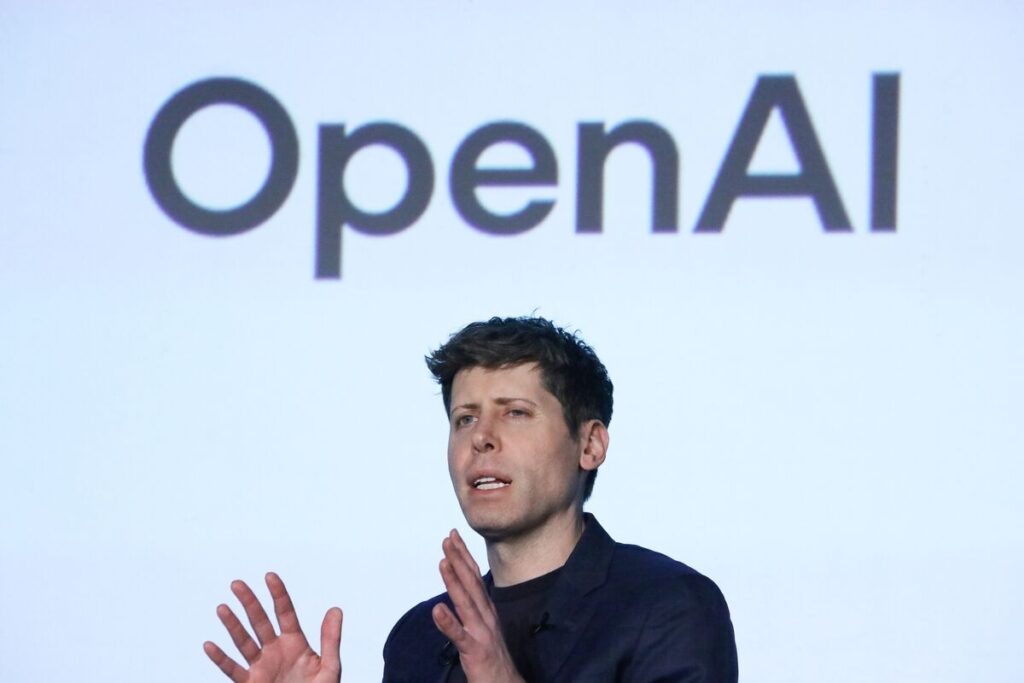
The recent decision by OpenAI to deploy its artificial intelligence models within the U.S. Department of Defense’s classified network marks a significant pivot in the AI landscape, particularly in the context of governmental applications. This agreement follows the collapse of a relationship between the Pentagon and Anthropic, another AI entity, which raises critical questions about the operational frameworks and ethical safeguards that govern such high-stakes implementations of AI technology. For leaders in small to medium-sized businesses (SMBs) and automation specialists, understanding these shifts is essential for making informed decisions about AI platforms that best align with their organizational needs and ethical standards.
OpenAI’s commitment to maintaining principles that prohibit domestic mass surveillance while ensuring human accountability in the use of force is particularly relevant for SMB leaders who are looking to integrate AI into various functional areas. Coined as responsible AI, this principled stance illustrates a crucial differentiator amidst a proliferation of AI and automation platforms, which can often be characterized by a wide array of capabilities yet may differ substantially in their approach to governance and ethical consideration.
When comparing OpenAI and Anthropic, several critical metrics come into play: strengths, weaknesses, costs, return on investment (ROI), and scalability. OpenAI has positioned itself as a leader in natural language processing and machine learning, with models that can be finely tuned and adjusted to cater to specific business requirements. Its strengths lie in its large-scale training datasets and robust community support, allowing for continual refinement and advancement of its models. Notably, the commitment to human oversight can enhance organizations’ trust in deploying these technologies, particularly in sensitive domains.
On the other hand, Anthropic, while competitive in its AI offerings, has faced challenges related to concerns over surveillance and the ethical implications of its technology. The abrupt end of its contract with the Pentagon underscores the potential pitfalls that come with insufficiently addressing ethical concerns in the design and implementation of AI systems. For SMB leaders, these issues translate directly to brand reputation and regulatory compliance, which are critical for long-term viability and customer trust.
Cost considerations are equally essential. OpenAI offers various pricing tiers based on model usage and deployment needs, which can be favorable for organizations looking to initiate AI integration without overwhelming financial commitments. However, it is vital to assess not just initial costs but the entire lifecycle costs of AI integration. For instance, while OpenAI’s models may require substantial upfront investment in terms of integration and training for staff, the long-term ROI can be substantial given the potential for increased efficiency and resource optimization.
In contrast, Anthropic may provide competitive pricing initially but might lead to higher unforeseen costs associated with compliance and reputational risks. The failure to manage ethical responsibilities could result in legal repercussions and damage to the organization’s reputation, creating an invisible but substantial cost.
Scalability remains a paramount concern for SMBs, particularly as companies seek to expand their technological capabilities. OpenAI’s architectures are designed with scalability in mind, permitting organizations to leverage its models across different applications—from customer service automation to advanced data analytics—allowing them to adapt their technology as they grow. This is predominantly advantageous for companies poised for rapid growth, providing a framework that can evolve with varying demands.
Conversely, while Anthropic offers its own set of scalable solutions, the aforementioned ethical challenges could inhibit its adoption in sensitive sectors, thereby potentially limiting its scalability among customers who prioritize compliance with ethical standards and societal norms. This limitation may restrict market penetration, especially in sectors like finance, healthcare, and government, where ethical considerations are scrutinized intensively.
In conclusion, the intersection of ethical governance and operational efficacy in AI deployment can dictate the success of technological integration within organizations. Leveraging tools like OpenAI could provide SMBs with a competitive edge, given their strong commitment to responsible AI principles and a scalable framework. However, it remains imperative that business leaders critically assess not just the tool that best meets their immediate operational needs but also the long-term implications, including ethical governance, potential regulatory compliance costs, and trust with their stakeholders.
FlowMind AI Insight: Organizations must prioritize ethical considerations and governance when selecting AI platforms, ensuring that the technology not only meets immediate operational needs but also aligns with long-term societal norms and organizational values. Investing in responsible AI models can lead to increased trust, enhanced brand reputation, and ultimately, greater ROI.
Original article: Read here
2026-02-28 22:46:00