
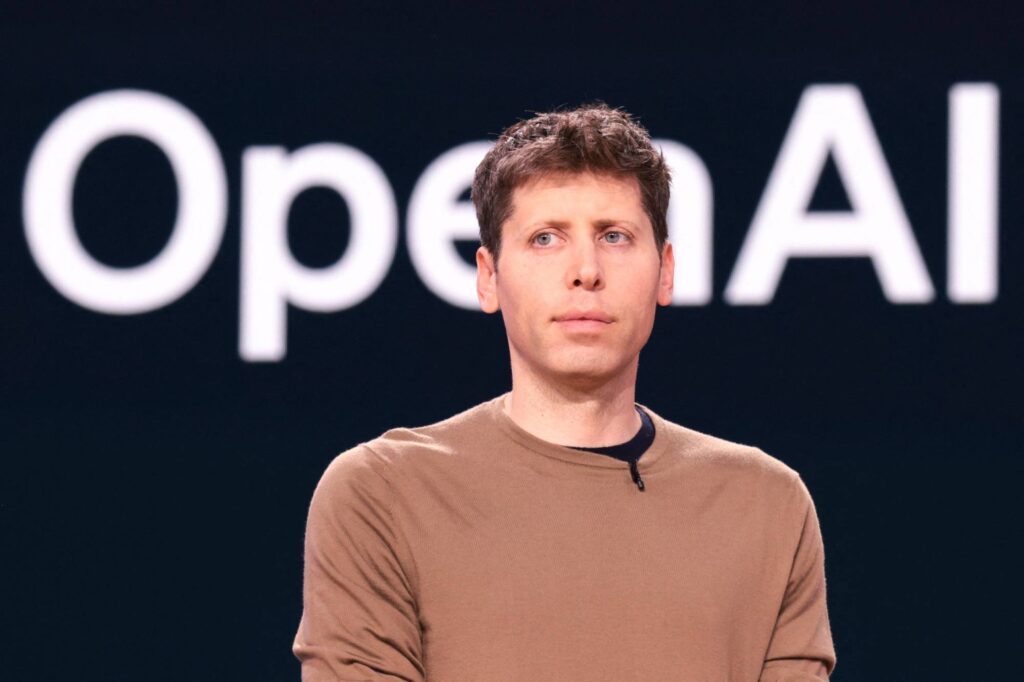
The recent decision by OpenAI to deploy its AI models within the Defense Department’s classified network marks a significant shift within the landscape of artificial intelligence and its applications in the realm of national security. In light of Anthropic’s unraveling relationship with the Pentagon over ethical concerns regarding surveillance and autonomous weapons, OpenAI’s strategic alignment poses poignant questions for leaders in small and medium-sized businesses (SMBs) and automation specialists: What are the implications of these developments for AI tools that businesses may adopt? How do these platforms compare in terms of strengths, weaknesses, costs, return on investment (ROI), and scalability?
Beginning with OpenAI, the organization has carved out a reputation for developing highly capable AI technologies, particularly in natural language processing and generative AI. By agreeing to work under federally regulated guidelines, OpenAI underscores its commitment to ethical AI deployment, emphasizing prohibitions against domestic mass surveillance and the assertion of human responsibility in the use of force. Such ethical stances not only enhance trustworthiness but also align with growing consumer and stakeholder demands for responsible technology usage. However, the question of scalability remains pivotal. OpenAI’s models, while powerful, may require substantial computational resources, potentially leading to higher operational costs for SMBs seeking to leverage these tools effectively.
On the other hand, Anthropic’s experience with the Department of Defense highlights the risks of engaging in environments where ethical and operational terrains remain complex. The fallout from their relationship may serve as a cautionary tale for SMB leaders contemplating partnerships or deployments with AI vendors that have questionable operational frameworks. While Anthropic’s AI offerings are robust, the inability to navigate potential ethical pitfalls might deter organizations from leveraging their models. SMB leaders must weigh the advantages of advanced functionalities against the inherent risks tied to reputational and operational volatility.
When assessing cost structures, one must consider the pricing models each platform employs. OpenAI generally charges on a usage basis, a model that can be financially advantageous for companies with variable needs. However, those expecting steady and high usage might find justifiable reasons to negotiate longer-term contracts, thereby locking in lower rates. In contrast, while Anthropic’s pricing specifics may vary, earlier indicators suggest a similar usage-based model but with nuances in models and deployment. The choice between these platforms should be informed not just by their pricing strategies but also by the total cost of ownership when training, deploying, and maintaining their AI tools.
In terms of return on investment, both platforms offer the promise of enhanced productivity by automating a range of tasks. OpenAI, with its access to vast datasets and deep learning technologies, empowers organizations to generate insights, automate customer interactions, and streamline operations effectively. Conversely, Anthropic’s focus on interpretability in AI and ensuring models function under ethical guidelines could translate into long-term savings by minimizing compliance risks and focusing on sustainable automation. Analyzing the potential ROI of each platform thus requires a thoughtful appraisal of business goals and organizational values, particularly concerning technology ethics.
Scalability is another crucial component for SMBs considering AI tools. OpenAI’s architecture allows for significant scalability, effectively enabling businesses to roll out models that can adapt to various contexts and increasing user demand. However, this scalability comes with the caveat of requiring the associated infrastructure. SMBs may find expanding their operational capacity to be a barrier, particularly if they lack the necessary technical expertise and resources. Comparatively, Anthropic’s emphasis on user-friendly, interpretable AI could facilitate rapid deployment and integration into existing organizational frameworks, thereby lowering the barriers to scalability for SMBs seeking to adopt AI technologies.
In summary, the evolving landscape of AI deployments, particularly shaped by OpenAI’s recent agreement with the Defense Department, presents both opportunities and challenges for SMB leaders and automation specialists. Choosing between platforms like OpenAI and Anthropic requires a balance of ethical considerations, cost implications, potential ROI, and scalability. Businesses must assess their strategic goals in alignment with each tool’s strengths and weaknesses.
FlowMind AI Insight: As awareness of ethical AI grows, SMB leaders must prioritize responsible technology implementation while weighing the implications of scalability and cost. The ongoing shifts in AI partnerships signal a broader trend: ethical operational frameworks will likely enhance long-term productivity and stakeholder trust, making these considerations essential in technology adoption strategies.
Original article: Read here
2026-02-28 23:41:00