
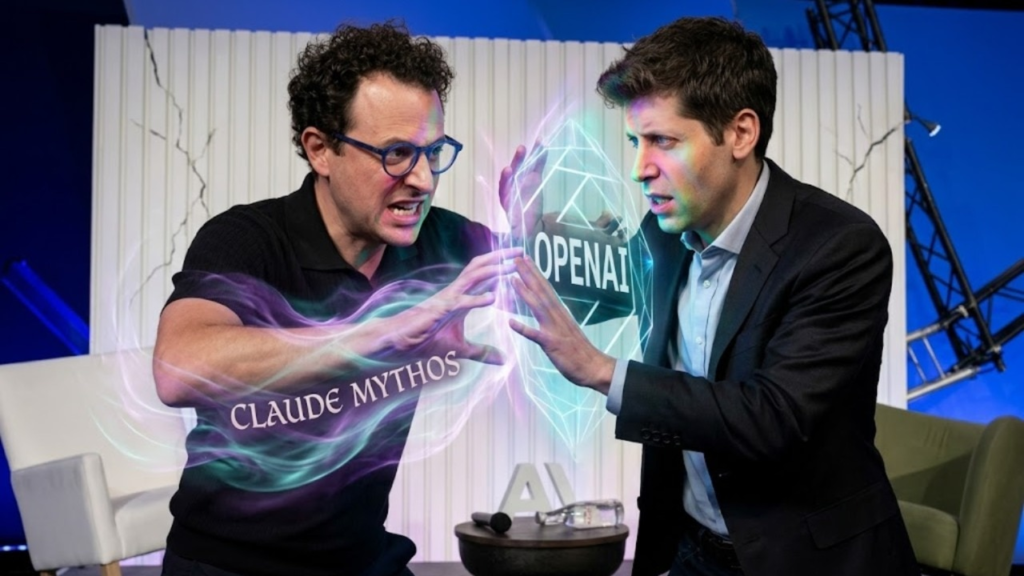
In recent weeks, the cybersecurity landscape has been significantly impacted by the emergence of advanced artificial intelligence models capable of identifying vulnerabilities that were previously undetected by human analysts. Anthropic’s Claude Mythos has drawn attention for its purported ability to pinpoint thousands of cybersecurity risks, leading the company to opt for a controlled release strategy, partnering with major firms like Amazon and Microsoft to resolve these issues rather than making the model publicly accessible. This action raises important considerations about the implications of AI in cybersecurity, including potential risks, costs, and the overall return on investment for firms in this space.
Following Anthropic’s lead, reports suggest that OpenAI is also developing a model known as Spud, which is believed to possess comparable capabilities to Claude Mythos. This model is expected to be released strategically to a select group of firms, mirroring Anthropic’s cautious rollout approach. Such strategies may be motivated by the growing concern over the misuse of AI technology, especially in cybersecurity where the stakes are exceedingly high.
Both Claude Mythos and OpenAI’s Spud are products of intensive research and development, aimed at making significant strides toward artificial general intelligence (AGI). This underlines a critical point for business leaders: the valuation of AI models isn’t merely about their capabilities but also hinges on the precautions that companies are taking prior to deployment. Businesses must weigh the advanced functionalities these models offer against the inherent risks associated with their unregulated use.
When contrasting Anthropic and OpenAI’s approaches, both platforms offer unique strengths and weaknesses that are essential for small and medium-sized business (SMB) leaders and automation specialists to understand. On one hand, Anthropic’s strategy of selective partnerships provides a controlled environment to mitigate risks; however, it limits the immediate scalability of their AI model, making it less accessible to smaller enterprises that often require cost-effective solutions and quicker integration pathways. In contrast, OpenAI’s existing “Trusted Access for Cyber” program offers immediate resources to invite-only organizations that seek to employ advanced AI capabilities for legitimate cybersecurity efforts. The combination of access to sophisticated tools alongside financial backing in the form of API credits makes OpenAI’s approach potentially more attractive to businesses looking to quickly enhance their cybersecurity frameworks.
Cost is another critical factor. While specific pricing for Claude Mythos and Spud remains undisclosed, the investment in AI-driven cybersecurity solutions can be substantial. SMB leaders must evaluate the cost implications not only in terms of licensing and accessing these AI tools but also consider the associated costs of potential breaches resulting from unmitigated vulnerabilities. Recent research indicates that the average cost of a data breach is estimated at $3.86 million, which highlights the financial prudence of investing in effective cybersecurity solutions.
Return on investment for these AI capabilities is multifaceted. Enhanced efficiency due to AI-driven threat detection can lead to cost savings over time. For example, automating cybersecurity monitoring allows human professionals to focus on strategic initiatives rather than routine monitoring tasks, leading to higher productivity and, ultimately, profitability. Additionally, the ability to proactively resolve vulnerabilities before data breaches occur offers a distinct advantage that can translate into long-term financial benefits.
Scalability of these AI platforms also plays a significant role in decision-making for SMBs. OpenAI’s model, with its established user base and API infrastructure, may offer more robust scalability options compared to Anthropic’s more exclusive deployment strategy. Businesses must assess whether they have the resources and infrastructure to effectively leverage these advanced AI solutions as they scale.
In conclusion, with AI models like Claude Mythos and OpenAI’s Spud on the horizon, SMB leaders and automation specialists face critical decisions regarding the adoption of these emerging technologies. Each platform presents unique strengths, weaknesses, costs, and scalability potentials. By taking an analytical approach to compare these options against their organizational needs, businesses can make informed choices that enhance their cybersecurity posture while maximizing return on investment.
FlowMind AI Insight: As companies navigate the evolving landscape of AI in cybersecurity, they must prioritize a strategic approach, focusing on models that offer not just advanced capabilities but also prudent risk management and support for long-term scalability. Such considerations will be essential for sustaining competitive advantage in an increasingly complex threat environment.
Original article: Read here
2026-04-09 10:28:00