
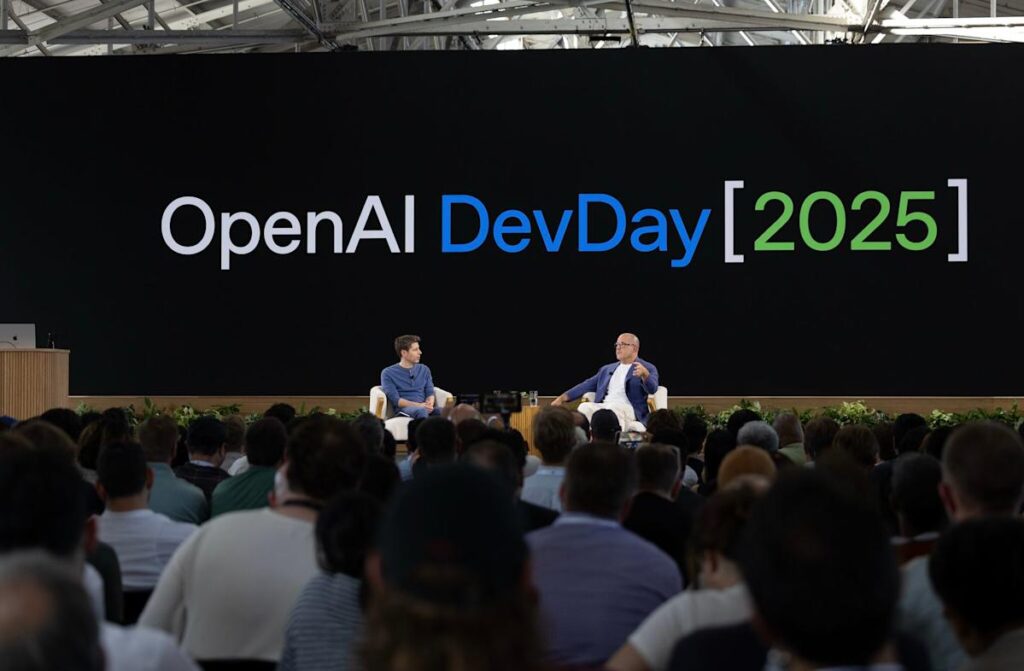
In an era marked by rapid technological evolution, particularly in artificial intelligence (AI) and automation, executives and leaders in small to medium businesses (SMBs) must remain vigilant and strategic about the tools and platforms they choose to implement. Two companies that have recently shaped the AI landscape are OpenAI and Anthropic, both vying for leadership in the generative AI space. As OpenAI announces ambitious plans to double its workforce by 2026, it signals its intent not only to enhance its product offerings but also to position itself for a broader market influence. This marks a stark contrast to many other tech companies which are reducing their headcounts amidst economic uncertainties.
OpenAI has set itself apart with its extensive suite of AI models and applications. Its partnership with entities such as the Department of Defense underlines its credibility and the practical use of its technology in critical sectors. Furthermore, OpenAI is negotiating with private equity firms to embed its AI tools into various portfolios, indicating potential scalability and an ambitious roadmap for enterprise adoption. By increasing its workforce to 8,000, the company targets key areas such as product development, engineering, and customer engagement, all of which are critical for optimizing the AI experience for businesses.
Conversely, Anthropic, which has already seen increased traction with clients, particularly in the startup and corporate expense management sectors, poses a formidable competitive challenge. Companies are reportedly 70 percent more inclined to select Anthropic when sourcing AI services for the first time. This statistic speaks volumes about marketing positioning and the power of first impressions in a crowded marketplace.
When comparing tools like OpenAI and Anthropic, several dimensions warrant consideration, particularly strengths, weaknesses, costs, return on investment (ROI), and scalability. OpenAI’s models, such as ChatGPT, have raised the standard for natural language processing capabilities, translating into extremely powerful customer interaction tools. However, the substantial resources required to leverage OpenAI’s vast capabilities can pose a barrier for some SMBs. Depending on the complexity and customization needed, organizations might find themselves burdened with unexpected costs.
On the other hand, Anthropic has prioritized the ethical use of AI and inherent safety, suggesting that their approach could mitigate risks associated with deploying AI technologies in sensitive applications. Their focus on creating a more controlled and interpretable model may appeal to organizations looking for reliability over raw generative capabilities, especially in domains where compliance and regulatory oversight are paramount. However, Anthropic’s relative novelty may come with limitations in integrations and available functionalities compared to OpenAI’s more mature offering.
This brings us to another critical area: scalability. OpenAI’s expansive strategy supports a pathway towards growth, making it a potentially attractive partner for businesses with national or global expansion ambitions. The launch of various specialized roles, such as technical ambassadors for helping organizations better integrate AI solutions, indicates a proactive approach to ensuring scalability and effective implementation. While simultaneously hiring and expanding into new markets, OpenAI aims to build a comprehensive support structure to facilitate smoother transitions for businesses adopting their AI tools.
Conversely, while Anthropic has its sights set on practical safety and usability, scaling its solutions must also account for the expanding demands of SMBs which often operate under budget constraints. Comprehensive analysis of existing tools, their costs, and ease of integration will lead many SMB leaders to weigh these elements carefully in their decision-making process.
Beyond direct tool comparison, the ROI of investing in AI and automation platforms deserves scrutiny. OpenAI touts considerable ROI by significantly enhancing productivity and efficiency through its models, particularly in customer-facing applications. However, businesses must account for initial investments and ongoing maintenance, which can vary tremendously based on customization and specific use cases. It’s critical for SMBs to engage in thorough cost-benefit analyses, considering both tangible and intangible results to justify their spending.
In conclusion, as SMB leaders evaluate their options, it’s essential to adopt a comprehensive view of the AI landscape. OpenAI and Anthropic prompt serious discussion about how businesses can harness AI capabilities for competitive advantage. Both platforms offer significant strengths, from vast capabilities and potential integrations in the case of OpenAI to a principled, safety-focused approach with Anthropic. Decisions regarding which platform to adopt should rest not only on immediate business needs but also align with long-term growth strategies and ethical considerations.
FlowMind AI Insight: As the AI landscape evolves, SMB leaders must prioritize strategic alignment between their organizational goals and the capabilities of AI platforms. By understanding each option’s strengths and weaknesses, they can make informed choices that foster scalable growth and sustainable competitive advantages. With careful planning and consideration, organizations can drastically enhance their operational effectiveness and market positioning.
Original article: Read here
2026-03-21 16:10:00