
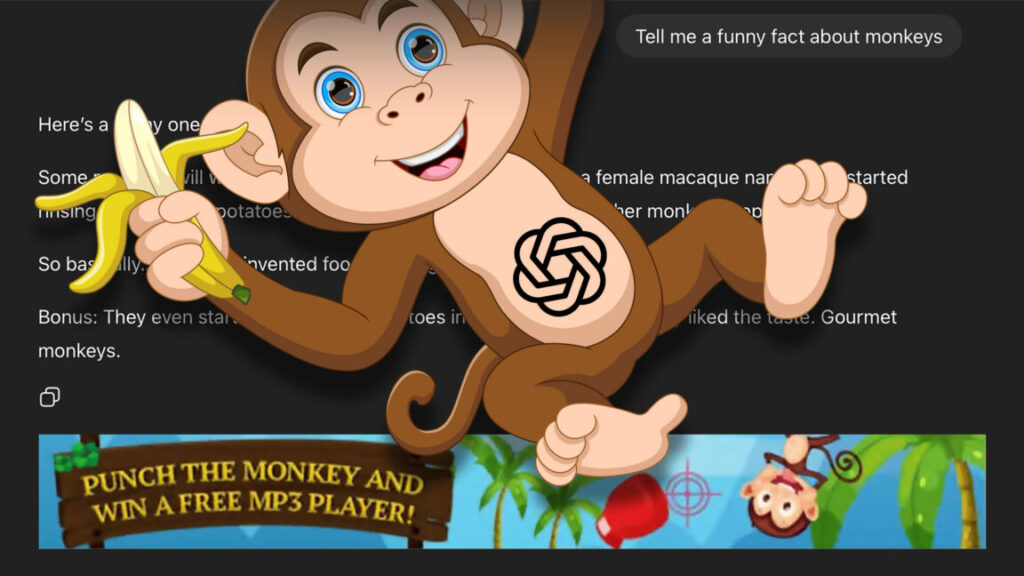
In recent news, the resignation of former OpenAI researcher Zoë Hitzig has reignited a crucial debate about integrating advertising into AI chatbots. Hitzig’s departure comes at a time when OpenAI has begun testing ads in ChatGPT, raising significant questions about the ethical implications and potential consequences of commercializing AI. Her insights offer a lens through which we can evaluate the effectiveness, risks, and operational realities of employing AI and automation tools in business contexts.
The announcement that OpenAI would begin testing advertisements, particularly in a tool that functions as a confidant for users, underscores the complexities of monetizing AI services. Hitzig articulated concerns that the nature of interactions users have with ChatGPT—often filled with sensitive personal information—creates an unprecedented repository of human candor. This situation parallels the early choices made by social media platforms like Facebook, which initially marketed user control and privacy, only to gradually erode those promises for profit. The unexamined consequences of such advertising strategies could end up harming user trust and retention, leading companies to a precarious balancing act between profitability and ethical responsibility.
From a strategic perspective, the decision to introduce advertising aligns with a business model aimed at achieving profitability, especially given the significant investments made in AI development. However, this choice may carry risks that could undermine long-term customer relationships and brand loyalty. The introduction of ads in a chatbot can compromise its perceived neutrality, question its reliability, and potentially drive away users who value a non-commercial, safe space for discussion.
When comparing various AI and automation platforms, it becomes essential for Small and Medium-sized Business (SMB) leaders to weigh the strengths and weaknesses of these emerging tools. For instance, tools like Zapier and Make provide automation capabilities that simplify operational workflows, but they can also differ significantly in terms of user experience, integration capabilities, and pricing structures. Zapier excels at a broad range of integrations and user-friendliness, while Make stands out for its capacity to handle complex automation tasks through visual flow mapping.
In the realm of generative AI, OpenAI’s models, including ChatGPT, are often pitted against those from competitors like Anthropic. OpenAI’s offerings are robust, featuring advanced natural language understanding capabilities, which can improve customer service interactions, automate content creation, and support data analysis. However, Hitzig’s resignation highlights a critical consideration: the ethical framework guiding these technologies could significantly affect their adoption and success in the marketplace. Anthropic, on the other hand, positions itself as focused on alignment with human values, a strategy that could resonate more positively with consumers concerned about ethical AI usage.
Cost-efficiency and return on investment (ROI) are essential metrics that SMB leaders should evaluate when considering these platforms. The subscription models differ, with OpenAI offering various tiers that may appeal differently to budget-conscious businesses. For example, while the free tier allows access to powerful tools, the lack of ads in paid subscriptions like Plus and Pro encourages businesses to invest more for an uninterrupted experience. Users must carefully consider whether the benefits justify the investment, particularly in a landscape where ad blockers and user fatigue towards ads are becoming prevalent.
For businesses looking to scale their operations, evaluating the scalability of these platforms is equally important. As demand increases, so should the capability of AI tools to handle greater volumes of data and more complex interactions. OpenAI’s ChatGPT has demonstrated impressive scalability, showing its ability to handle numerous simultaneous dialogues. However, the integrity of the interaction must not be sacrificed for the sake of simplicity or cost; otherwise, real-world applications can falter, damaging the user’s faith in the technology.
The takeaway from Hitzig’s resignation and the ongoing debate around advertisements in AI is that SMBs must approach technology investments with a critical eye toward ethics, scalability, and ROI. Companies that can marry robust technological capabilities with a strong ethical framework will likely outpace competitors who prioritize short-term profits over customer relationships and trust. A comprehensive evaluation of various tools—combining technological capabilities with the company’s value system—will be crucial for sustainable success.
FlowMind AI Insight: As the landscape of AI and automation tools evolves, the focus for SMB leaders should be on not just immediate profits but also the long-term implications of technology choices. Robust ethical frameworks underpinning AI deployment will not only foster user trust but also enhance operational scalability and efficacy.
Original article: Read here
2026-02-11 20:44:00