
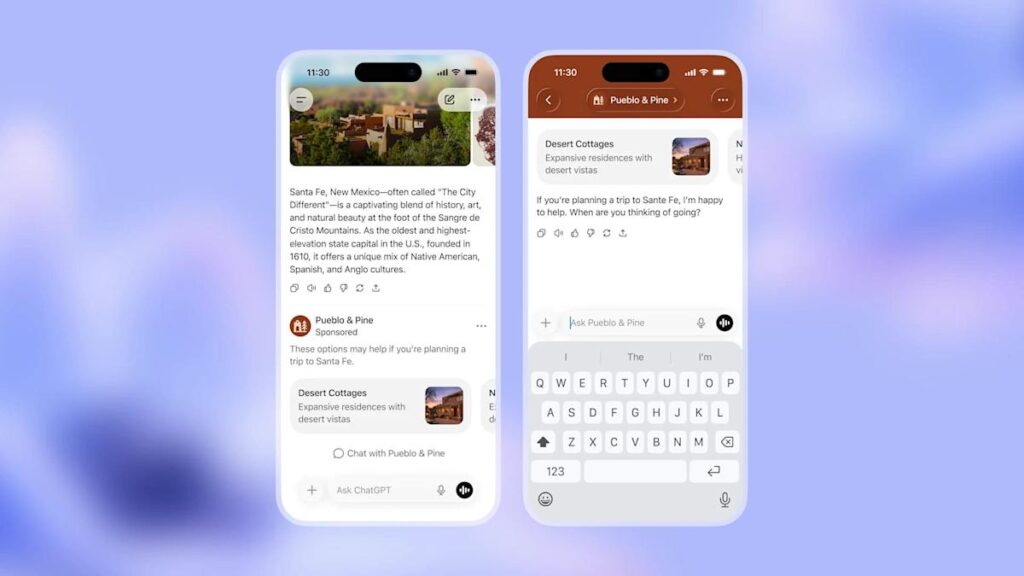
The implementation of advertisements in ChatGPT has brought considerable attention to OpenAI and its strategic moves in the AI landscape. As OpenAI tests ads within its free and Go plans, it raises numerous implications for small to medium-sized businesses (SMBs) and automation specialists who are striving to navigate a rapidly evolving technological environment.
OpenAI’s decision to introduce ads stems from its aim to fund additional features while keeping a semblance of user trust in the platform. Notably, the ads will be contextual, appearing relevant to ongoing conversations but distinctly separated from ChatGPT’s responses. This effort to monetize the service is indicative of a broader trend where AI platforms are increasingly looking to diversify their revenue streams. The comparison between various automation tools such as OpenAI’s ChatGPT and Anthropic’s Claude is vital for understanding the potential impact on SMBs.
ChatGPT’s monetization strategy offers a potential ROI through ads and e-commerce integrations. OpenAI anticipates that ads will contribute to less than half of its revenue in the long term while also benefiting from a shopping integration feature that allows users to purchase items directly through the chatbot. This dual approach provides a compelling value proposition for businesses looking to leverage consumer engagement via conversational AI. However, the effectiveness of these ads will depend heavily on their relevance and the user experience provided alongside them—a significant consideration for SMBs that rely on customer trust.
In contrast, Anthropic’s Claude has publicly positioned itself against introducing advertisements within its chatbot. This decision could serve as a differentiation strategy, appealing to users and businesses that prioritize privacy and an ad-free experience. While this may limit Claude’s immediate revenue-generating capabilities, such an approach might foster loyalty among users who align with the ethos of a less commercialized AI environment. For SMB leaders evaluating these tools, it is essential to weigh the strategic benefits of potential revenues from advertisements against the risk of alienating their user base due to intrusive marketing practices.
Cost considerations are equally vital in this analysis. OpenAI’s generative AI tools may often come with a premium fee for advanced functionalities, especially as the integration of ads necessitates continuous optimization and IT resources to maintain user satisfaction. SMBs must analyze whether the anticipated return from utilizing ChatGPT justifies the upfront investment. In contrast, alternative platforms like Claude, while possibly lacking advanced features at the outset, could provide a lower cost of entry, especially for those focused more on privacy and user experience.
Scalability remains a core concern for businesses utilizing automation platforms. OpenAI’s approach to ads might allow for rapid growth potential through diversified revenue streams if effectively executed. However, this scalability must be balanced with user experience to ensure retention and continued growth. In contrast, Claude’s more stable offering presents a less risky path for SMBs that may not be ready to navigate the complexities of advertising and data-driven marketing.
One notable strength of OpenAI’s model is its adaptability—it is positioning itself to learn from user interactions in real-time. The initial phase of testing ads aims to gather feedback and continuously improve the experience, a crucial factor in the fast-paced tech landscape. Conversely, Claude’s static model can feel less dynamic and may not evolve as actively to meet user needs.
Ultimately, the choice between leveraging OpenAI’s ad-supported ChatGPT or an ad-free environment like Anthropic’s Claude should be dictated by the specific goals and values of each business. SMBs that prioritize quick revenue generation may find OpenAI’s approach beneficial. However, those focused on maintaining a trustworthy user relationship may prefer Claude’s model, even at the cost of potential short-term revenue.
FlowMind AI Insight: The evolution of AI and automation platforms will undoubtedly continue to shape the way businesses engage with consumers. As OpenAI and Anthropic adopt differing monetization strategies, SMB leaders must remain vigilant in evaluating both immediate gains and long-term sustainability to navigate their digital transformations effectively. The emphasis should remain on systems that harmonize customer experience with business objectives, ensuring that profitability does not come at the expense of user trust.
Original article: Read here
2026-02-09 19:17:00