
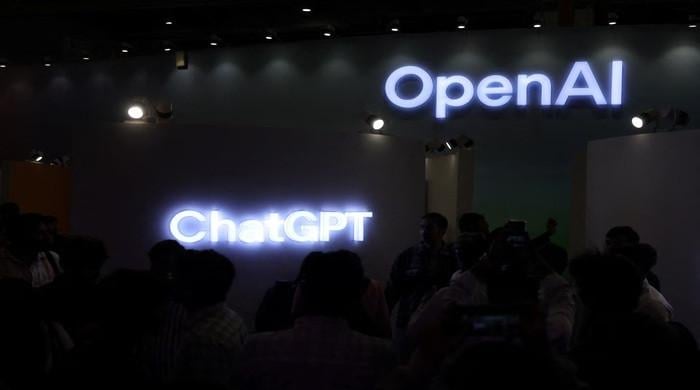
In the ever-evolving landscape of artificial intelligence and automation, enterprise decision-makers face a plethora of options, each promising enhanced productivity, cost savings, and operational efficiency. Recently, the announcement of OpenAI collaborating with the Pentagon following disruptions with Anthropic’s AI models serves as a timely reminder of the delicate balance between ethics, performance, and compliance that leaders must manage when adopting these technologies.
OpenAI and Anthropic represent two prominent players in this sector, each with distinct philosophies and operational paradigms. OpenAI is embracing a governance model that prioritizes safety and ethical considerations while attempting to maintain its agility as an AI provider. This partnership with the Department of War, despite its sensitive implications, underscores OpenAI’s commitment to responsible deployment and scalability of its technology—integrating AI into classified networks with strict adherence to ethical guidelines. The advantages of OpenAI’s technology lie in its rich data ecosystem and advanced natural language processing features that can seamlessly integrate into complex workflows. Businesses can derive significant ROI from integrating OpenAI’s tools due to their versatility and the company’s continued improvement and investment in their AI models.
On the other hand, Anthropic’s cautionary approach, exemplified by its restrictive rules limiting certain uses of AI technology, may hinder broader applicability in dynamic business environments. While these restrictions were designed to safeguard ethical standards, they may stymie flexibility, ultimately discouraging adoption among organizations looking for immediate automation solutions. For small and medium-sized businesses (SMBs), the decreased agility could translate into opportunity costs, where businesses suffer falls in productivity due to convoluted processes hampered by over-regulation.
When comparing AI platforms, costs remain a primary concern in decision-making. OpenAI generally adopts a tiered pricing structure that scales based on the volume of usage, providing SMB leaders with predictability in budgeting for automation projects. In contrast, the opaque pricing model of Anthropic may present risks of unanticipated expenditures as businesses navigate its constraints.
Next, considering the integration capabilities of automation platforms, solutions like Make and Zapier present contrasting options that bear examination. Make, with its visual workflow tools, offers extensive customization options, ideal for IT specialists or businesses with specific operational requirements. However, it can involve a steeper learning curve and may require dedicated resources for implementation. Zapier, in comparison, is celebrated for its user-friendly interface that allows business users to establish automation with minimal technical knowledge. Despite this ease-of-use, its feature set may restrict advanced users who require in-depth automation capabilities. Thus, the cost of employee training and potential lost productivity must be effectively calculated to ensure that the chosen platform aligns with organizational resources and expertise.
Both OpenAI and Anthropic also must contend with the scalability of their platforms. OpenAI’s recent advancements in multimodal AI indicate a robust ability to scale across different functions and sectors. Enterprises can adopt these models without needing to reconfigure their foundational architecture repeatedly, affording them flexibility as they grow. Conversely, while Anthropic’s innovations are notable, its focus on safeguarding ethical use may restrict its scalability, as organizations may hesitate to implement solutions that are considered too prescriptive or limited.
The implications of these contrasts are clear for decision-makers in SMBs and the automation landscape. Organizations must evaluate not only the technical capabilities of the products they consider but also the strategic alignment with their organizational values. The ability to adapt and pivot in response to ongoing industry changes and regulatory demands will ultimately be a determinant of success. It is essential for leaders to develop a holistic understanding of the risks and rewards associated with AI investments, moving beyond the surface-level features and exploring the broader business ramifications.
In conclusion, as SMBs embark on their digital transformation journeys, the selection of AI and automation platforms cannot be taken lightly. The experiences of OpenAI with the Pentagon and the limitations encountered by Anthropic illustrate pivotal lessons in navigating compliance, scalability, and operational efficiency. For those leaders looking to implement automation tools effectively, a rigorous evaluation of potential partners, their ethical stances, integration ease, cost structures, and scalability potential is paramount. FlowMind AI Insight indicates that decision-makers who take a calculated, strategic approach to AI adoption will likely emerge as frontrunners in an increasingly competitive marketplace.
Original article: Read here
2026-02-28 11:11:00