
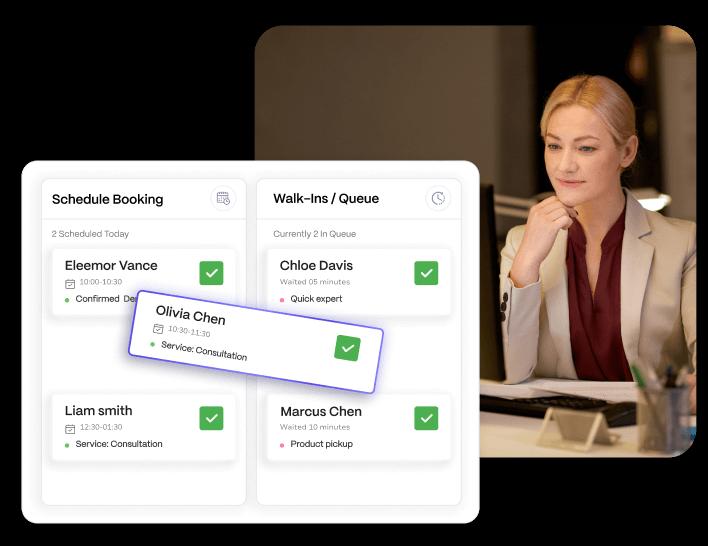
In today’s competitive landscape, small and mid-size businesses (SMBs) can greatly benefit from AI-powered automation. This step-by-step tutorial will guide you through designing, deploying, and monitoring an AI-driven automation solution tailored to enhance queue and customer flow management. Even if you lack development experience, the following instructions are straightforward and accessible for an operations manager.
Before diving into the implementation, ensure you have the necessary prerequisites. First, assess your current technology stack to verify compatibility with AI solutions. You will need a cloud-based queue management system, access to real-time customer data, and an onboarding process for staff. Additionally, training sessions may be required to familiarize team members with the new automation features and functionalities.
Next, begin the configuration process. Start by identifying the specific automation goals: reducing wait times, improving customer experiences, or increasing appointment accuracy. Using input from your team, set up the automation engine within your queue management platform. For instance, define how appointments will be prioritized based on urgency or customer type. Example inputs might include customer categories or peak visiting hours, while expected outcomes will include a reduction in average wait time by a certain percentage.
After the configuration is ready, it is critical to test the automation system. Conduct pilot tests with real-time data during a controlled period. Make sure to monitor how the system routes customers and handles waitlist prioritization. During testing, gather feedback from staff and customers to evaluate ease of use and satisfaction levels. A successful pilot phase should yield fewer manual interventions and improved service delivery metrics.
Once confident in the solution, it’s time for deployment, ensuring that you have a strategy for smooth onboarding. Release the automation to your entire operation, accompanied by a clear communication plan for your team. Introduce the functionalities using hands-on training sessions or digital resources, ensuring that staff understand immediate benefits and how to resolve common issues.
After deployment, monitoring the effectiveness of the automation solution is essential for ongoing success. Utilize built-in analytics within your queue management software to track key performance metrics, such as wait times and service speeds. Schedule monthly reviews to assess outcomes against your initial goals. Make adjustments as needed based on the data and feedback from your team.
In managing this process, it’s also crucial to develop a robust error-handling strategy. Prepare your team to address typical issues that might arise during automation, such as system downtimes or incorrect routing. Establish a clear procedure for escalating issues and provide staff with troubleshooting guidelines. Additionally, periodic checks should be scheduled to ensure ongoing system reliability.
Cost control is another important aspect of implementing an AI-driven automation solution. Develop a budget that covers the initial costs of deployment as well as ongoing expenses, including software subscriptions, maintenance, and potential additional staff training. Anticipate how the automation is expected to save costs over time, reinforcing the value of the investment.
When designing your solution, pay careful attention to security, data retention, and privacy. Ensure that your automation complies with relevant regulations, such as GDPR or HIPAA, depending on your industry. Consider how customer data will be stored and secured, and develop a retention schedule that balances business needs with privacy concerns. This means regularly reviewing data use policies and ensuring they are well-communicated to both customers and staff.
Vendor lock-in is a potential risk with any technology deployment. To mitigate this, choose an automation platform that supports open standards, allowing for easy data migration and integration with various tools. This way, if you ever need to switch vendors, the transition can be made smoothly without significant disruption.
Estimating ROI from your automation implementation requires tracking not just immediate savings in time and costs, but also long-term benefits like increased customer loyalty and improved service quality. Compare the initial costs incurred during deployment with anticipated savings over time, especially focusing on metrics like customer retention rates and service efficiency.
Ongoing maintenance is vital for ensuring the automation remains effective. Set up a schedule for regular updates and system checks, minimizing downtime and maintaining performance quality. Train your staff on how to identify when the automation might need adjustments or enhancements based on changing business needs.
FlowMind AI Insight: By following this structured approach to design, deploy, and monitor an AI-powered automation solution, you empower your organization to streamline operations effectively. The key lies in thorough preparation, ongoing training, and a commitment to continuous improvement, ultimately transforming customer interactions and operational efficiency. By effectively managing the challenges of security, vendor relationships, and ROI estimation, your organization can unlock the full potential of automation.
Original article: Read here
2026-01-20 16:17:00