
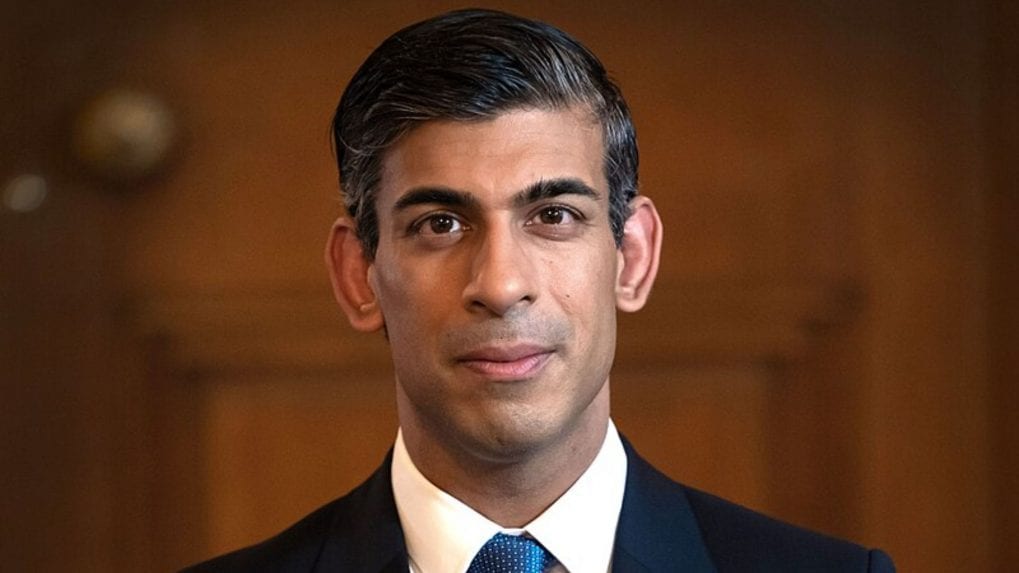
Former UK Prime Minister Rishi Sunak’s recent appointment as a senior adviser to both Microsoft and the AI firm Anthropic underscores the significance of artificial intelligence in reshaping global economies. As AI continues to penetrate various sectors, leaders like Sunak, with a robust background in economics and technology, can offer valuable strategic insights that will guide organizations in navigating the challenges and opportunities presented by this technological evolution.
Sunak’s return to the technology sector comes at a crucial juncture. He has been vocal about the transformative power of technology and its role in shaping the future. His part-time roles at Microsoft and Anthropic will enable him to lend high-level perspectives on how technological innovations can be harmonized with societal needs and security considerations. Such insights are particularly crucial for executives in small to medium-sized businesses (SMBs) and automation specialists who seek to integrate AI responsibly while maximizing ROI.
While Microsoft and Anthropic represent two distinct approaches to AI and automation, understanding their frameworks allows for informed decision-making. Microsoft, with its history of enhancing productivity through software solutions, and Anthropic, recognized for its commitment to safety and ethical AI, illustrate contrasting philosophies that can cater to various business needs.
Microsoft has long been synonymous with productivity tools, with platforms like Microsoft 365 providing integrated solutions that can streamline workflows in SMBs. The strength of Microsoft’s offering lies in its scalability and extensive resources. Businesses relying on Microsoft can leverage familiar interfaces and robust support systems to implement AI-driven tools, ensuring minimal disruption while maximizing efficiency. However, costs associated with Microsoft’s enterprise solutions can be prohibitive for smaller organizations, particularly for those that may not fully utilize the breadth of features available.
On the other hand, Anthropic’s emerging focus on building AI with safety and ethical considerations at its core is gaining traction. It positions itself as a thought leader in the AI frontier, focusing on developing systems that prioritize alignment with human values. This is particularly salient as organizations increasingly adopt AI to automate processes. Companies may find that investing in platforms like Anthropic allows them to engage with AI positively, especially in environments where ethical concerns are paramount. However, as a relatively newer entity in this field, Anthropic may not yet offer the extensive ecosystem that Microsoft provides, potentially resulting in operational challenges for businesses requiring fully integrated solutions.
When evaluating AI platforms, SMB leaders must look beyond initial implementation costs. ROI should be measured not only in financial terms but also in productivity, innovation capability, and long-term growth potential. Microsoft’s enterprise solutions arguably come with a higher upfront investment but offer proven long-term benefits through enhanced operational efficiency. In contrast, while Anthropic may present lower initial costs, its still-evolving capabilities may require ongoing adjustments and adaptations that could lead to hidden expenses as companies strive to optimize their AI usage.
Moreover, scalability should be a focal point of consideration. Microsoft provides an established infrastructure that can grow alongside an organization, making it easier for businesses to expand operations without a complete overhaul of their systems. Anthropic’s scalability may still be in its formative stages, potentially posing challenges for rapid growth or large-scale adoption without additional resources or partnerships.
The decisions made by Sunak in his advisory roles will likely influence not only these companies but also the broader narrative around AI. His recognition of the necessity for ethical AI and safety practices highlights an emerging trend among AI developers: the imperative to fuse innovation with responsibility. Organizations must emphasize these attributes in their own strategic considerations, integrating ethical frameworks into technology adoption policies.
As SMBs begin to align their strategies with the capabilities offered by these platforms, the impact of AI on operational efficacy and market competitiveness will become clearer. It is essential for organizations to critically analyze their specific needs, market positioning, and long-term goals when selecting an AI solution. Balancing cost, efficiency, scalability, and ethical considerations will be critical to maximizing the potential of AI in transforming business landscapes.
In summary, with Rishi Sunak’s strategic insights and the distinct strengths presented by Microsoft and Anthropic, organizations can reassess their stances on AI adoption. By understanding the nuances between platforms, SMB leaders can tailor their approaches to align efficiently with their operational goals and ethical frameworks.
FlowMind AI Insight: As leaders navigate the evolving AI landscape, prioritizing ethical considerations alongside operational efficiencies will be crucial for sustainable growth. Engaging with platforms that align with these values can provide a competitive advantage while fostering innovation and responsible technological integration.
Original article: Read here
2025-10-10 04:08:00