
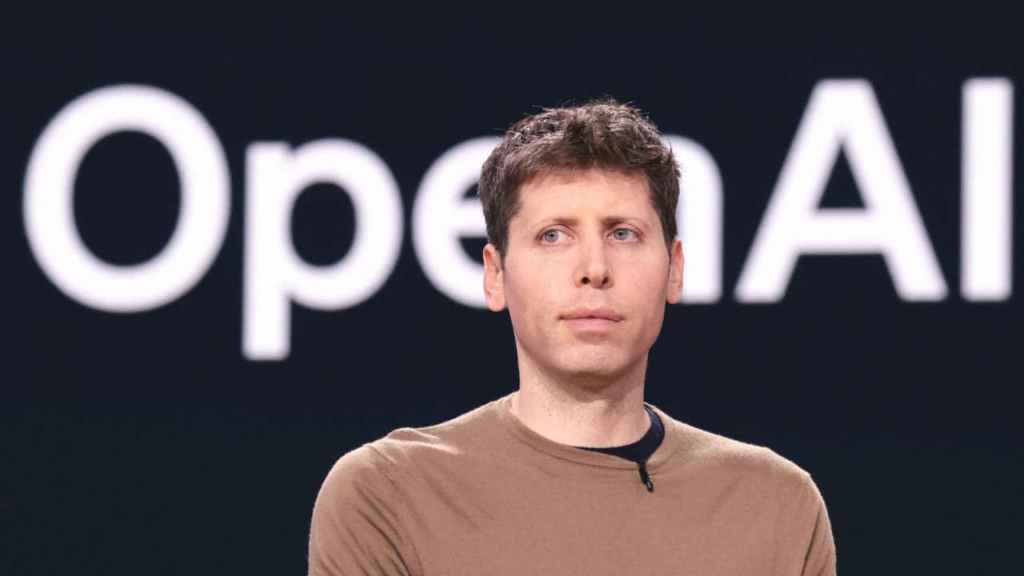
In recent discussions surrounding the competitive landscape of artificial intelligence, OpenAI CEO Sam Altman has revealed that the company anticipates entering “code red” more frequently as competition intensifies. Speaking on the Big Technology Podcast, Altman articulated that this emergency mode, used to address competitive threats, is now a regular feature of OpenAI’s operational strategy. He forecasts that the company will activate code red measures once or twice a year as rivals such as Google and Anthropic pose increasing challenges.
The notion of “code red” first emerged within OpenAI earlier this year, spurred by advancements from China’s DeepSeek, which reportedly introduced AI capabilities competitive with OpenAI’s flagship model, ChatGPT, at a significantly lower cost. This situation wasn’t isolated; just weeks ago, OpenAI again shifted into emergency mode following Google’s launch of Gemini 3, described as its most advanced AI chatbot. The urgency prompted an internal reassessment, with Altman prioritizing enhancements to ChatGPT while delaying other initiatives. This quick pivot signifies that as the AI market evolves, the pace of technological development and deployment will require companies to remain agile and responsive to competitor movements.
Analyzing the dynamics at play, we observe that both OpenAI and Google are investing heavily in advancing their products, highlighting the necessity for SMB leaders and automation specialists to understand the implications of stakeholder strategies and market positioning. While Google is leveraging its existing ecosystem to promote Gemini 3, OpenAI is focusing on reinforcing the capabilities of ChatGPT. This disparity brings us to a vital comparative analysis of their offerings.
In terms of strengths, OpenAI’s models, particularly ChatGPT, have garnered recognition for their nuanced understanding of context and human-like interaction. This has established ChatGPT as the leading conversational AI tool for businesses seeking to enhance customer engagement and streamline internal communication. Conversely, Google’s Gemini 3 promises integration with its suite of existing services, which may provide a seamless user experience for businesses already entrenched within the Google ecosystem.
However, neither platform is without weaknesses. OpenAI’s rapid development and deployment can lead to vulnerabilities that competitors are quick to exploit, as highlighted by Altman’s comments on the necessity for a quick response mechanism. The integration capabilities of Google may also pose challenges for businesses seeking a customizable approach tailored to specific needs, as they may find Google’s offerings somewhat rigid compared to OpenAI’s highly adaptable solutions.
From a cost perspective, OpenAI’s ChatGPT has been relatively affordable, particularly when considering the quality of engagement it offers. Nevertheless, the total cost of ownership, including training and implementation, is an essential factor for SMB leaders to assess. Google’s approach of bundling services can lead to better ROI for businesses already utilizing its suite of products. Investment decisions between these platforms should factor in not just immediate costs but long-term growth and scalability potential.
When it comes to scalability, both platforms are designed to grow with business requirements. OpenAI, with its API integrations, offers flexibility that can accommodate varying scales of operation. Meanwhile, Google’s expansive cloud architecture provides a robust foundation for scalability, especially for organizations that anticipate significant data loads and complex integrations.
Ultimately, businesses must weigh these factors carefully. The decision between OpenAI and Google, or even exploring other emerging platforms such as Anthropic, requires a nuanced understanding of their unique value propositions. It may also be prudent for SMB leaders to conduct comprehensive pilot tests or trials before committing to a single provider.
In conclusion, as competition in artificial intelligence accelerates, it is evident that companies like OpenAI and Google are continuously evolving their strategies to not only enhance their offerings but also to address emergent threats within the competitive landscape. SMB leaders and automation specialists must remain vigilant, leveraging data-driven insights to guide their choices. Integrating robust AI solutions can enhance operational capacities and drive business growth, provided that these implementations are aligned with the organization’s strategic goals.
FlowMind AI Insight: As AI continues to reshape the competitive dynamics of various industries, businesses can gain a significant edge by remaining adaptable and informed of market movements. Leveraging insights from top players while evaluating their own operational needs will be crucial for long-term success in this evolving landscape.
Original article: Read here
2025-12-19 06:32:00