
Designing, deploying, and monitoring an AI-powered automation for a small or mid-size business can be an efficient way to streamline operations and enhance productivity. This step-by-step tutorial breaks down the process into manageable components. By following these instructions, you can implement a system that requires minimal technical expertise.
The first step in your automation journey is to outline your business objectives. Clearly define which processes you want to improve with AI. This may involve tasks such as quality control, inventory management, or customer tracking. It’s crucial to identify key performance indicators (KPIs) to gauge the success of your automation. For instance, if you’re automating quality checks, your KPIs can include defect rates and time savings.
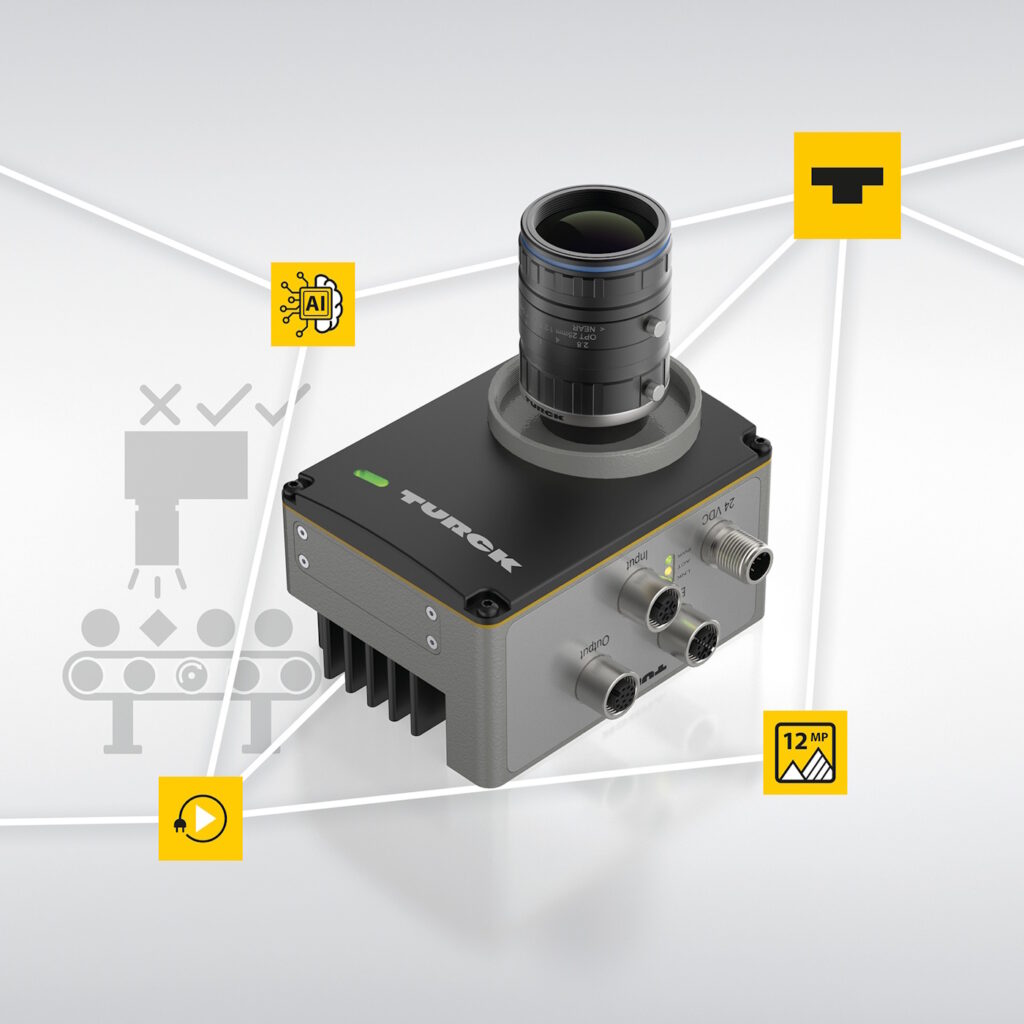
Next, ensure you have the required hardware and software prerequisites. Most AI systems require a robust camera system, like the TURCK TIV with its powerful 12-megapixel sensor and built-in NVIDIA Jetson Nano GPU. This allows real-time image processing without the need for extensive coding. An understanding of how the camera interacts with existing systems is beneficial, so familiarize yourself with connection protocols such as M12 connections for power and networking.
Once you have your hardware in place, the next step is the configuration. Use the intuitive web-based interface to access the camera’s settings. Start by training the AI model with sample images. For instance, if your goal is to differentiate between good and defective parts, upload example images of both categories. The system will learn to identify and classify what constitutes a good part versus a flawed one. The outcome should be a reliable classification model that provides coordinates and confidence scores for each item processed.
It’s important to validate the model’s performance. After you’ve completed the training phase, conduct a series of tests using live data. For example, run the AI system for a set time frame and monitor its accuracy and response rate. Make adjustments to training images or parameters based on these tests to improve model reliability.
Monitoring is key to ensuring long-term success. Utilize the logging feature in the TURCK Automation Suite (TAS) to keep track of performance metrics continuously. Set up alerts for unusual activity or erratic outputs, which will help in diagnosing issues before they escalate. This monitoring function can also provide insight into system utilization, allowing for better resource allocation.
Addressing error handling is also essential. Have a structured protocol ready to deal with system failures. This could include having fallback mechanisms or manual checks you can revert to in case of anomalies. The goal is to minimize downtime and maintain operational continuity. A clear communication channel for your team will ensure everyone understands how to react if the AI system encounters issues.
Cost control is another critical aspect. Begin by estimating the costs associated with the initial deployment, including hardware, software, and any consulting fees you may incur. Then evaluate ongoing expenses, like maintenance and training for new team members. Measure return on investment (ROI) through increased efficiency and reduced labor costs over a timeline specific to your business. Regularly assess this ROI against KPIs to ensure that your spending is yielding the desired outcomes.
Security must not be overlooked. With any digital system, vulnerabilities may pose a risk to your business. Ensure that strong security measures are in place, including encryption for data transmission and access controls to limit who can interact with the AI system. Establish a policy for data retention that complies with any relevant regulations, ensuring that sensitive information is only stored for as long as necessary.
Privacy concerns should also be front and center. Policies regarding user data must comply with local laws such as GDPR. Make sure that any data captured is necessary for the intended processing and that you have legal grounds for its collection and use.
Vendor lock-in can create challenges down the line. When selecting your AI solution, consider the ease of data transfer and compatibility with other systems. The TURCK TIV is designed for integration, but assess how customizable your AI setup is for future needs. Choosing systems with open-source components can help mitigate lock-in risks.
FlowMind AI Insight: Implementing AI in small to mid-sized businesses can transform operations significantly. By carefully planning each phase from design to monitoring, businesses can achieve effective automation tailored to specific needs. The investment not only saves time but can also lead to a substantial return on investment, setting the foundation for future growth.
Original article: Read here
2025-12-02 07:30:00