
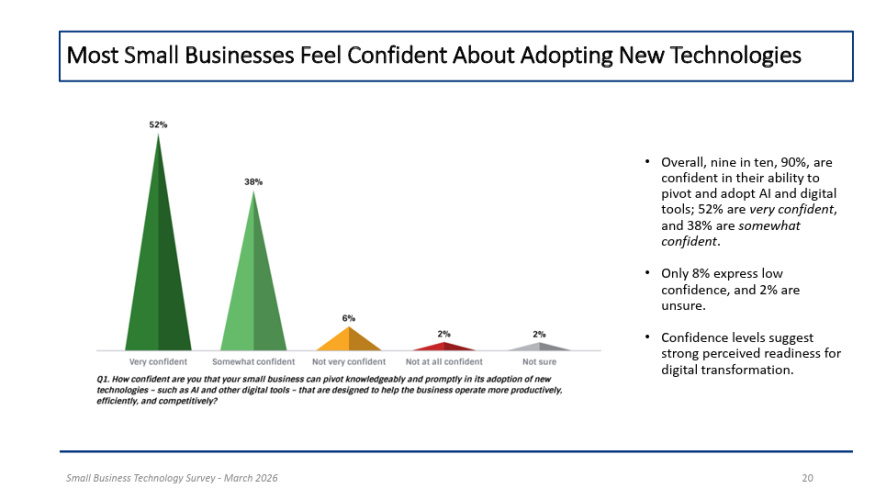
The landscape of small business operations is increasingly being reshaped by advancements in technology, particularly artificial intelligence and automation. A recent survey by the Small Business & Entrepreneurship Council highlights that 82% of small businesses are leveraging AI tools, showcasing a dramatic shift in how these firms adapt to the competitive market. With 66% reporting revenue gains attributed to AI, including 22% experiencing increases of more than 10%, it becomes crucial for small and medium-sized businesses (SMBs) to understand the comparative strengths and weaknesses of various platforms like Make, Zapier, OpenAI, and Anthropic.
AI-driven platforms such as OpenAI and Anthropic serve different business needs by offering unique strengths. OpenAI, for example, provides robust natural language processing capabilities that enhance customer interaction through chatbots and virtual assistants. However, while OpenAI excels in language-based tasks, it may incur higher costs due to the computational resources required for advanced applications. On the other hand, Anthropic has positioned itself as a more safety-conscious alternative, particularly relevant for firms concerned about data ethics and responsible AI deployment. Its emphasis on interpretability can be appealing for businesses needing to justify AI decisions internally or externally, but this focus may come at the expense of flexibility in certain applications.
When it comes to automation, platforms like Make and Zapier are critical in streamlining workflows. Zapier’s user-friendly interface allows businesses to connect various applications with ease, making it ideal for those seeking quick integration without extensive technical know-how. However, it may not offer the depth of functionality required for more complex business processes. On the contrary, Make provides greater operational flexibility, capable of handling complex automation tasks with more customized workflows. This versatility, however, might necessitate a steeper learning curve, posing challenges for less tech-savvy personnel.
Analyzing cost structures is essential for determining the ROI of these platforms. OpenAI offers a tiered pricing model based on usage, allowing businesses to scale their investments according to their specific needs. This can result in significant cost savings for companies optimizing their workflows. Anthropic tends to have similar pricing structures but may include additional costs for advanced safety features. In contrast, Zapier operates under a subscription model, which can become costly for larger teams, whereas Make, while initially appearing more affordable, can lead to unexpected expenses as businesses expand their automation capabilities.
Scalability emerges as a pivotal aspect of consideration. Businesses experiencing growth need platforms that can adapt without necessitating a complete overhaul of existing systems. OpenAI’s increasing adoption by larger corporations suggests a strong potential for scalability, allowing small businesses to transition into larger player roles as required. Anthropic’s assurances of responsible AI also lend themselves to scalability, making it a favorable choice for enterprises facing regulatory scrutiny.
For automation platforms, Zapier and Make offer differing levels of scalability. Zapier’s extensive library of integrations may appeal initially; however, as companies grow and require more advanced automation solutions, they might find themselves limited. Make’s ability to create intricate workflows could better serve growing businesses, though the complexity may demand more technical expertise from staff, which could act as a deterrent in some organizations.
In light of the current landscape, SMBs are encouraged to adopt a data-driven approach when selecting AI and automation tools. The benefits reported—such as time savings of five hours per week for business owners and 11.5 hours for employees—underscore the compelling case for investing in these technologies. However, the choice of platform should align with specific business needs, technical capabilities, and growth aspirations.
For businesses just starting their digital journey, it may be sensible to initially adopt more straightforward solutions like Zapier to get acquainted with automation. As operational sophistication grows, transitioning to Make could facilitate more ambitious automation projects. For AI capabilities, small businesses should evaluate whether their primary need is for customer engagement (favoring OpenAI) or ethical considerations (leaning towards Anthropic).
In summation, crafting a strategy that leverages the strengths of AI and automation tools while understanding their limitations will be vital for SMBs aiming for sustainable growth. Those who are forward-thinking and proactive in technology adoption will likely create more agile, efficient, and competitive operations.
FlowMind AI Insight: The future of small business success lies in the strategic integration of AI and automation platforms that align with both current needs and future scalability. Embracing these technologies not only fosters operational efficiency but also positions businesses to adapt to an ever-evolving market landscape.
Original article: Read here
2026-03-27 22:22:00