
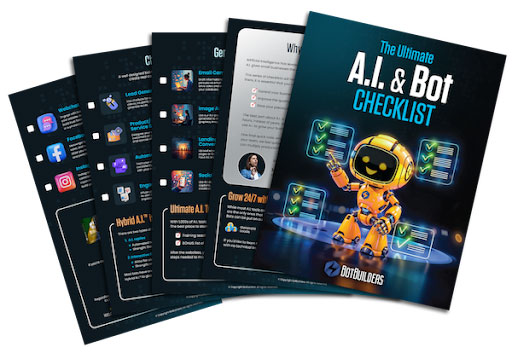
As small and mid-sized businesses increasingly recognize the benefits of automation, implementing AI-powered solutions can seem daunting. However, with a clear and structured approach, operations managers can effectively design, deploy, and monitor AI automation regardless of technical proficiency. Here’s a step-by-step tutorial to guide you through the process.
Before diving into the setup, it’s essential to outline prerequisites. First, ensure that your business has access to a suitable AI tool designed for your industry. Research comprehensive AI Starter Kits, which provide streamlined features like chatbot functionalities or predictive analytics. Equipping yourself with a foundational understanding of your business needs is crucial; identify specific tasks that could benefit from automation, such as lead generation or customer support.
Next, you will begin the configuration steps. Each AI tool will have its unique interface, but most will provide user-friendly dashboards. Start by signing up for the chosen tool. For example, if you opt for a chatbot, input your business information, including FAQs and common inquiries from customers. Be sure to structure this information clearly to facilitate effective responses. For instance, if a frequent question concerns business hours, input that data upfront.
After configuration, it’s time to test. Most platforms allow for a trial mode where you can simulate interactions without impacting your live environment. During testing, enter various queries that your customers might pose to assess whether the AI responds accurately and satisfactorily. Observe how the AI handles unexpected inputs and refine any discrepancies in its responses. Aim for an accuracy rate of 80% or higher before moving forward to the live deployment.
Once you’re satisfied with testing, deploy the AI-powered tool across your platform. Depending on your goal, this could mean embedding a chatbot on your website, integrating AI into your email marketing, or utilizing analytics tools for sales forecasting. Monitor the implementation process closely, ensuring the AI integrates smoothly with existing systems such as your CRM or other internal databases.
Monitoring performance is vital post-deployment. Set up metrics to evaluate effectiveness, such as response times, customer satisfaction ratings, and task resolution rates. Many AI platforms provide built-in analytics that can track these metrics in real time. Schedule regular check-ins to assess the AI tool’s effectiveness against your predefined objectives. This ongoing evaluation helps identify areas for adjustment and fine-tuning.
Error handling is another important aspect of AI deployment. Establish clear protocols for managing unexpected outcomes. For instance, if the AI misinterprets a customer query, have a fallback mechanism to transfer the case to a human representative. This blend ensures that while automation speeds up processes, human oversight is not ignored, maintaining customer satisfaction.
Cost control is critical when deploying AI tools. Analyze subscription fees, setup costs, and potential expenses for ongoing training or upgrades. Be conscious of the budget to avoid overspending on features that may not directly contribute to your business goals. Opt for scalable solutions that allow for gradual investment as your business grows.
Security, data retention, and privacy related to deployed AI tools cannot be overstated. Ensure that your chosen vendor complies with data protection regulations, and clarify how customer data will be stored and utilized. Focus on platforms that prioritize data encryption and protection against breaches. Additionally, consider what data retention policies exist and how they align with your business’s needs. Stipulate how long data will be kept and the processes for data deletion once it’s no longer necessary.
Furthermore, be aware of potential vendor lock-in situations. Research your options thoroughly and consider how easily you could transition to another service if necessary. Aim for solutions that facilitate data portability, ensuring that you retain control over your information without being tethered to a particular vendor’s ecosystem.
To estimate return on investment (ROI), first identify clear metrics that align with your business objectives. If deploying an AI tool reduces customer query response time, calculate the labor hours saved and potential revenue generated from improved customer satisfaction rates. Continually re-assess the efficiency of your AI tools in relation to their costs, and adjust strategies based on performance data to maximize ROI.
Maintenance of AI systems is an ongoing requirement that should not be neglected. Regular updates, training sessions for staff on new features, and continuing assessments of systems will ensure optimal performance. Establish a routine for reviewing both system performance and employee feedback to identify new opportunities for enhancement.
FlowMind AI Insight: Transitioning to AI-powered automation is not merely a tech upgrade; it’s an evolution in how businesses interact with their customers and streamline their operations. By following these structured steps, operations managers can embrace the benefits of automation without being hindered by technological complexities. With the right tools and a methodical approach, every aspect of the deployment can be managed effectively, leading to enhanced productivity and customer satisfaction in small and mid-sized businesses.
Original article: Read here
2025-11-25 22:41:00