
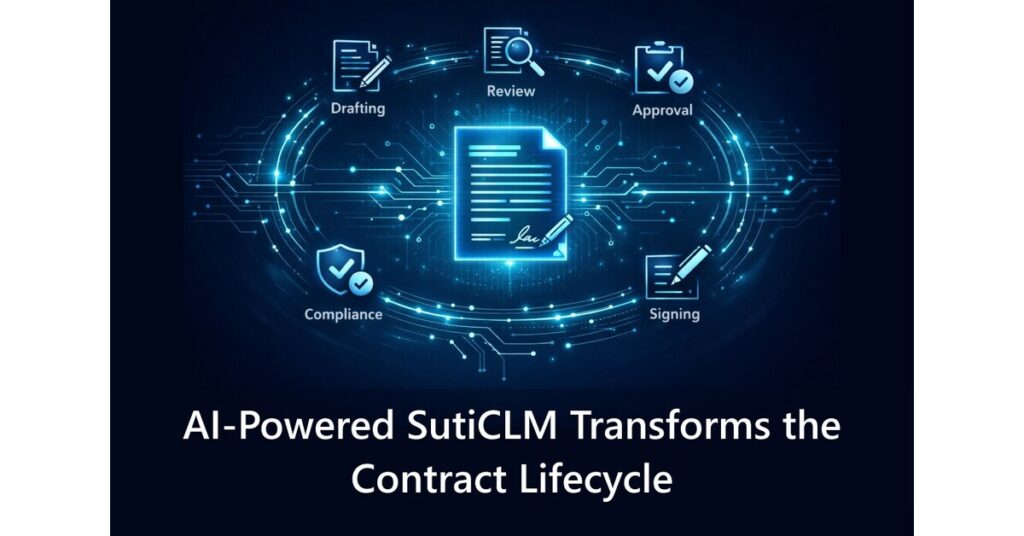
Implementing AI-powered automation can be transformative for small and mid-sized businesses seeking to streamline operations and enhance efficiency. This guide provides a straightforward, step-by-step approach to designing, deploying, and monitoring an AI automation solution that fits your organization’s needs.
Before you begin, assess your business’s readiness by evaluating current processes and identifying pain points. Determine which areas could benefit most from automation, be it contract management, customer service, or inventory tracking. Ensure you have a clear understanding of your business objectives and how automation can align with them.
The first step is to define the prerequisites for your AI integration. This includes gathering existing data relevant to the automated processes. For instance, if automating contract management, collect copies of past contracts, negotiation timelines, and compliance documentation. Familiarize your team with the existing technologies that will interact with the new AI system, such as CRM tools or financial software. Prepare your infrastructure by ensuring that you have the necessary hardware and software resources.
Next, the configuration phase involves selecting the right AI platform. Consider using tools designed for non-developers, with user-friendly interfaces. Platforms may offer templates tailored for specific functions, like customer service chatbots or document processing. For example, if using a platform like SutiCLM, you would configure it by inputting your contract types and uploading sample documents to train the AI on your specific language and style.
Once your AI tool is configured, it’s essential to conduct thorough testing. Simulate varying scenarios that your business frequently encounters. For instance, input a draft contract and check if the AI accurately identifies non-standard clauses or omissions. Your expected outcome should show a significant reduction in time spent on manual reviews while increasing contract compliance.
Monitoring the AI’s performance after deployment is crucial for long-term success. Set measurable KPIs, such as the time saved per contract or the percentage of successfully identified risks. Regularly review these metrics to gauge the effectiveness of your implementation. For instance, if your automation tool reduces contract cycle times by 30%, it may indicate a successful deployment.
Error handling should be included in your monitoring strategy. Establish clear guidelines for team members to follow when something goes wrong. If the AI misinterprets a contract clause, designate a point of contact who can manually intervene to correct it. Moreover, use regular feedback loops to refine the AI’s predictive capabilities and improve accuracy.
Cost control is another vital aspect. While AI can offer significant operational savings, initial investment and ongoing costs need to be managed. Be vigilant about calculating all costs involved, including software licenses, training, and potential subscription fees for cloud-based solutions. You should also monitor for hidden costs, such as additional resources needed for data storage or management.
Security, data retention, and privacy cannot be neglected. Ensure compliance with data protection regulations like GDPR or CCPA. Make sure the AI platform encrypts sensitive information, especially when dealing with contracts, by integrating robust cybersecurity measures. Establish clear data retention policies to guide how long information will be stored and how it will be deleted once it’s no longer needed. A strong data policy helps in minimizing risks and builds trust with customers.
Vendor lock-in is another consideration. Selecting a flexible platform that allows data portability ensures that your business isn’t tied to a single vendor. Look for solutions that rely on standard APIs and open architectures, making it easier to change providers should your business needs shift.
Estimating ROI can serve as a guiding metric for your automation initiative. Consider both direct savings, like reduced labor costs, and indirect benefits, such as improved compliance and faster turnaround times. Create a framework for ongoing maintenance, involving regular updates to the AI’s algorithms and retraining it based on new data or changes in business processes.
Engaging all stakeholders during each step ensures that everyone understands the benefits and responsibilities related to the AI system. Maintain open lines of communication, offering training sessions that clarify how the automation works and its role in achieving the company’s goals.
FlowMind AI Insight: In today’s competitive landscape, effective implementation of AI-powered automation can revolutionize business efficiency, promote operational agility, and facilitate informed decision-making. By following these structured steps, your organization can harness the full potential of AI, fostering growth while minimizing risks and costs.
Original article: Read here
2026-01-22 14:43:00