
In today’s rapidly evolving business landscape, automation is a vital strategy for increasing efficiency and reducing operational costs. For small and mid-sized businesses (SMBs) looking to harness the power of automation, designing and deploying an AI-powered system can seem daunting. However, with the right framework, any operations manager can implement a solution that streamlines workflows and minimizes repetitive tasks. This tutorial will guide you through the step-by-step process of designing, deploying, and monitoring an AI automation system tailored for your business needs.
Before you begin, ensure you meet the prerequisites. You need a clear understanding of your current workflows, operational pain points, and specific tasks that could benefit from automation. Identify the messaging channels used in your operations, such as email, chat applications, or internal dashboards. Additionally, familiarize yourself with basic concepts in AI and automation to effectively communicate with stakeholders and your vendor.
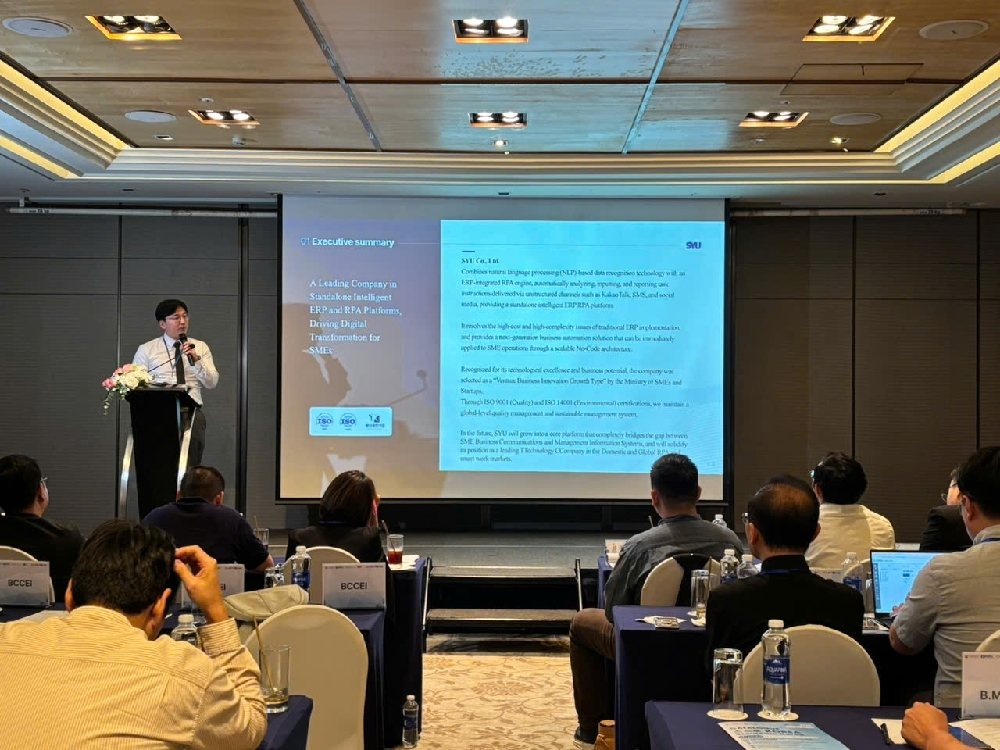
Once you’ve established the groundwork, the first configuration step is to select an appropriate AI-powered automation platform. Choose one that offers integration capabilities with your existing systems. Platforms like SYU, which focuses on automating workflows by interpreting messages and generating necessary records, can be beneficial. After selecting a platform, begin the configuration by connecting it to your email or chat system. This typically involves entering your account credentials and setting permissions for data access. During this phase, customize your AI’s response prompts, ensuring they align with commonly used phrases within your business, such as “Please process this invoice” or “Request payment confirmation.”
Next, design templates for different tasks that the AI will automate. For instance, if you’re automating purchase orders, create a template that outlines all necessary fields like order quantity, product specifications, and recipient information. After creating templates, configure your AI to recognize the triggers that initiate the automation—such as receiving specific keywords in messages.
Testing is a critical step in the deployment process. Roll out the system in a controlled environment first. Use a small cohort of your team to test the AI’s performance and rectify any issues. Analyze how accurately the AI interprets messages and generates tasks. Gather feedback from your team on the clarity of the AI’s communication and any difficulties they encounter. This phase allows you to refine the templates and triggers based on real-world use cases, ensuring the system functions smoothly before a full-scale launch.
Once testing is complete, you can move on to deployment. Gradually incorporate the AI into daily workflows and monitor its performance closely. Set up a feedback loop where team members can report issues or inefficiencies. This practice encourages continuous improvement and helps identify areas where additional training or adjustments are necessary. Additionally, ensure that you have proper monitoring tools in place to track the AI’s performance over time, such as the number of tasks completed, accuracy rates, and response times.
Security and privacy are paramount when deploying any automation system. Conduct a thorough assessment of the platform’s security features, such as data encryption, user authentication, and compliance with data protection regulations. Implement access controls to ensure that only authorized personnel can access sensitive information handled by the AI system. Be transparent with your team about how data is collected, stored, and used, creating a culture of trust and security awareness.
Data retention policies must also be established. Determine how long your organization will keep data generated by the AI and ensure that you have a plan in place for data deletion as needed. Monitor data storage costs and optimize where possible, evaluating whether cloud storage or on-premise solutions best suit your needs.
Vendor lock-in is a common concern when implementing automation solutions. To mitigate this risk, prioritize platforms that use open standards and APIs. This flexibility will allow you to integrate with other systems or switch vendors with minimal disruption. Before selecting a final platform, assess how easily you can migrate your workflows elsewhere if needed.
To estimate ROI from your AI automation solution, calculate both direct and indirect benefits. Direct benefits might include saved labor hours from reduced data entry tasks, while indirect benefits could encompass improved data accuracy and faster response times. Monitor key performance indicators (KPIs) like increased productivity, reduced operational costs, and enhanced employee satisfaction to gauge the overall impact of the automation on your business.
Ongoing maintenance is crucial to ensure the longevity of your automation system. Regularly review performance metrics and make necessary adjustments based on feedback and changing business requirements. Schedule periodic audits to identify areas for improvement, and stay informed about new updates or features provided by the automation platform to leverage its full capabilities.
FlowMind AI Insight: Embracing an AI-powered automation system can significantly enhance operational efficiency for SMBs. By following these clear, sequential steps for design, deployment, and monitoring, businesses can create a robust system that reduces repetitive tasks, minimizes errors, and ultimately leads to greater productivity and profitability.
Original article: Read here
2026-01-16 04:58:00