
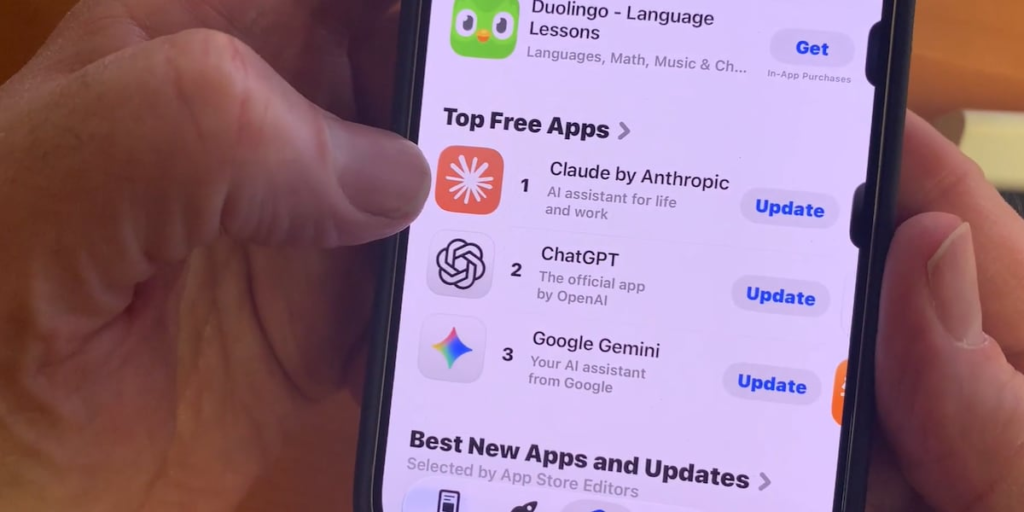
The rapid evolution of artificial intelligence (AI) tools is transforming the landscape for small and medium-sized business (SMB) leaders and automation specialists. As these professionals explore options to enhance productivity and streamline operations, the distinction between popular AI platforms such as ChatGPT and Anthropic’s Claude warrants careful examination. Both tools present unique strengths and weaknesses that can influence their adoption, costs, return on investment (ROI), and scalability, factors that are critical for informed decision-making in business environments.
ChatGPT has positioned itself as a household name in the AI ecosystem, often cited as the industry standard. Its expansive user base and established brand recognition can be seen as significant assets, especially when considering implementational familiarity. However, this popularity does not negate concerns about adaptability and user experience. The platform excels in generating creative content and completing tasks at a faster pace, making it an appealing option for businesses that require efficiency.
Nevertheless, ChatGPT’s reliance on training data can create limitations in handling specific or complex requests. Some users report that the platform may skirt around providing nuanced insights, as demonstrated in its enthusiastic approach to entrepreneurial ideas. While this can be motivating, the absence of critical analysis may lead to oversights in strategic decision-making processes. This aspect can inhibit its effectiveness as a comprehensive problem-solving tool, particularly when nuanced understanding is paramount.
Conversely, Claude is rapidly gaining traction as a formidable alternative, primarily due to its focus on longer-form content and the ability to engage in complex analytical tasks. Developed by Anthropic, Claude benefits from a business philosophy that prioritizes ethical considerations, which resonates well with a segment of users who prefer solutions aligned with their ethical frameworks. The company has notably taken a stance against deploying its AI in certain military applications, differentiating its brand identity in a market often mired in ethical debates.
From a technical standpoint, Claude reportedly excels in processing and evaluating large amounts of text and data, which can be particularly beneficial for businesses that require detailed analysis and long-term projects. Users have noted that Claude’s responses appear more well-rounded and thoughtful, often leading to richer dialogue around critical business ideas. In one instance, a business concept was dissected methodically, demonstrating Claude’s strength in advising on pros and cons, a critical factor for strategic planning.
When assessing the costs associated with these platforms, it is essential to consider both direct and indirect expenses. While ChatGPT may offer a broader array of integrated features—such as image generation and web searching capabilities—Claude’s performance in specific tasks may yield greater long-term ROI despite higher initial costs. By leveraging Claude’s analytical prowess, businesses might streamline decision-making processes, thereby increasing efficiency and minimizing costly errors that arise from oversights.
Scalability is another critical factor. ChatGPT’s extensive tool ecosystem makes it a versatile choice for businesses looking to incorporate automation across various channels. The ability to integrate with multiple apps facilitates seamless workflows, which can save time and resources in the long run. However, the rapid pace of feature rollout may also contribute to user fatigue and fragmentation, leading to a potential decline in user satisfaction and overall productivity.
In contrast, Claude’s more focused approach may offer a distinct competitive edge as companies increasingly require expert analysis over generic responses. This niching lends itself well to companies that prioritize depth in their operations over breadth, allowing for a more coherent and tailored experience.
Ultimately, the choice between ChatGPT and Claude can hinge on the specific operational needs of a business. For organizations in sectors that demand speed and versatility, ChatGPT may present a more suitable option. Conversely, businesses that value ethical considerations and require in-depth analysis may find Claude to be a more aligned partner.
The rapid emergence of AI tools highlights the necessity for SMB leaders to remain vigilant and informed about their automation options. As new platforms arise, it is vital to regularly assess existing tools, both in terms of performance against evolving business needs and changes in the competitive landscape.
FlowMind AI Insight: As the AI landscape becomes increasingly competitive, SMB leaders must adopt a strategic approach that considers both immediate and long-term implications of chosen tools. Engaging with multiple platforms can offer synergistic benefits, allowing businesses to capitalize on the unique strengths of each while mitigating inherent weaknesses. This practice not only enhances operational efficiency but also positions businesses more favorably in a rapidly evolving market.
Original article: Read here
2026-03-05 08:00:00