
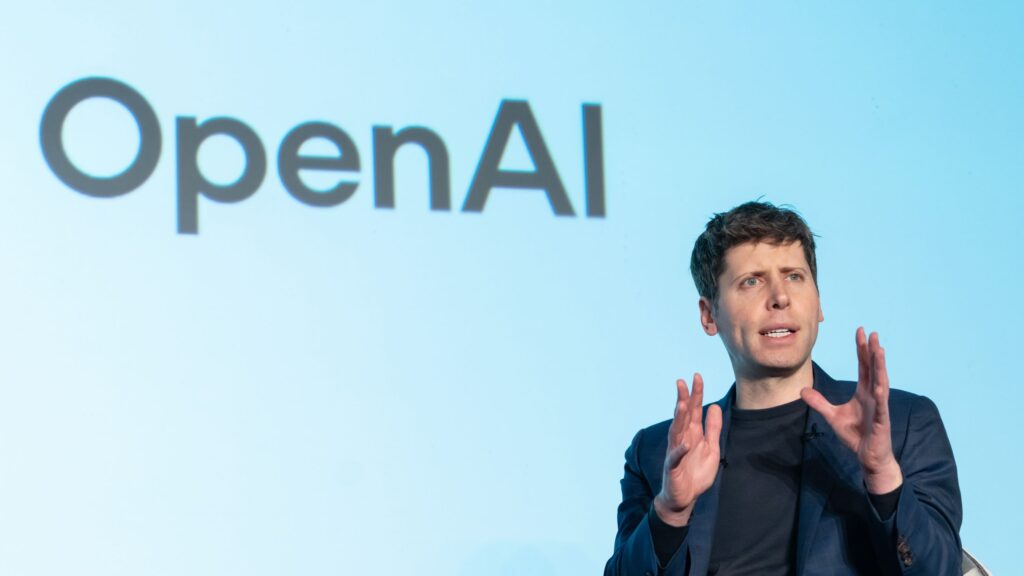
OpenAI’s recent contract with the Pentagon has ignited significant discussion regarding the implications of artificial intelligence in military applications, especially concerning surveillance. Amidst criticisms directed at CEO Sam Altman, the nuances of OpenAI’s agreement with the U.S. government reveal complexities that merit careful analysis within the broader context of AI and automation tools used by small and medium-sized business (SMB) leaders. Understanding these frameworks is crucial for informed decision-making on tech adoption, particularly as AI tools evolve in capability and application.
The strategic partnership between OpenAI and the Pentagon grants the military access to advanced AI models. This relationship comes on the heels of Anthropic’s decision to avoid military contracts, a stance that highlights differing corporate philosophies regarding ethical AI deployment. The decision to engage with the Pentagon was not devoid of controversy, particularly since OpenAI previously maintained a clear clause prohibiting military applications of its models. The subsequent removal of this ban raises salient questions regarding OpenAI’s accountability and its commitment to ethical standards in AI use.
One of the significant advantages of OpenAI’s technology is its scalability. Versatile applications can enhance operational efficiency across various sectors, including healthcare, finance, and logistics. The potential return on investment (ROI) for businesses leveraging these advanced AI systems is substantial. However, this is juxtaposed with the ethical dilemmas that arise from their application in national security contexts. Critics argue that the same technology that can streamline operations for SMBs could also enable invasive surveillance tactics by governments.
In a similar vein, a comparison between OpenAI and Anthropic illuminates differing philosophies toward technology. OpenAI’s willingness to negotiate military contracts may provide them with significant financial benefits, while Anthropic’s strict privacy guidelines resonate with a more socially responsible approach. SMB leaders must weigh the potential financial advantages of partnering with entities like OpenAI, which may offer cutting-edge capabilities against the reputational risks associated with militarization of technology.
From a cost perspective, OpenAI’s offerings, particularly through platforms like Azure, are perceived as premium solutions. However, when evaluating these costs against potential efficiency gains, many SMBs may find justification for the expense. In contrast, Anthropic, with its focus on ethical safeguards, may present itself as a more cautious but potentially less costly option for businesses that prioritize transparency and societal impact over raw technological capability.
The scalability of AI tools is another crucial factor. OpenAI’s models are designed to cater to diverse business needs, ensuring adaptability regardless of operational scale. This flexibility presents a compelling argument for opt-in among SMB leaders who grapple with varying workloads and evolving business environments. On the other hand, Anthropic, while robust in its ethical framework, has a more focused deployment strategy that may suit niche applications but could present challenges when broader adaptability is required.
Efficiency is often cited as a key advantage of automation platforms. For instance, the comparison between Make and Zapier sheds light on core functionalities that can influence business operations. While Zapier is renowned for its user-friendly interface and extensive integrations, Make offers a more flexible, programmatically driven approach that aligns with technical teams. Businesses must deliberate on the specific needs of their operations, aligning automation tools with their strategic objectives to maximize performance.
Ultimately, the decision to engage with AI platforms involves not only a financial calculus but also an ethical and operational dimension. SMB leaders must consider the broader ramifications of their technological partnerships. While the allure of advanced AI capabilities is evident, perils such as over-reliance on surveillance applications can raise concerns among stakeholder communities. Business leaders should prioritize transparency and ethical implications in their decisions, aligning technology use with corporate values and societal impact.
The current regulatory landscape further complicates matters. Existing frameworks often lag behind technological advancements, creating a paradoxical environment where enterprises can exploit loopholes. This is particularly troubling for SMBs, who may unwittingly find themselves enmeshed in practices that infringe on customer privacy or ethical standards. Therefore, a proactive approach is essential for businesses to ensure compliance and build trust within their communities.
In observing the tensions surrounding OpenAI’s military contract, it is clear that ethical considerations in AI deployment warrant significant attention. Companies like Anthropic showcase a commitment to responsible AI application that misses the mark for some partners, yet resonates strongly with societies concerned about technology’s implications. The landscape of AI software and automation tools will continue to evolve as businesses adapt to shifting paradigms, generating opportunities as well as dilemmas.
FlowMind AI Insight: As SMB leaders navigate the complexities of AI tool selection, it is vital to balance innovation with ethical considerations. Companies must remain vigilant in their partnerships, opting for transparency and responsibility as they integrate AI into their operations, ensuring alignment with both business objectives and broader societal values.
Original article: Read here
2026-03-06 18:35:00