
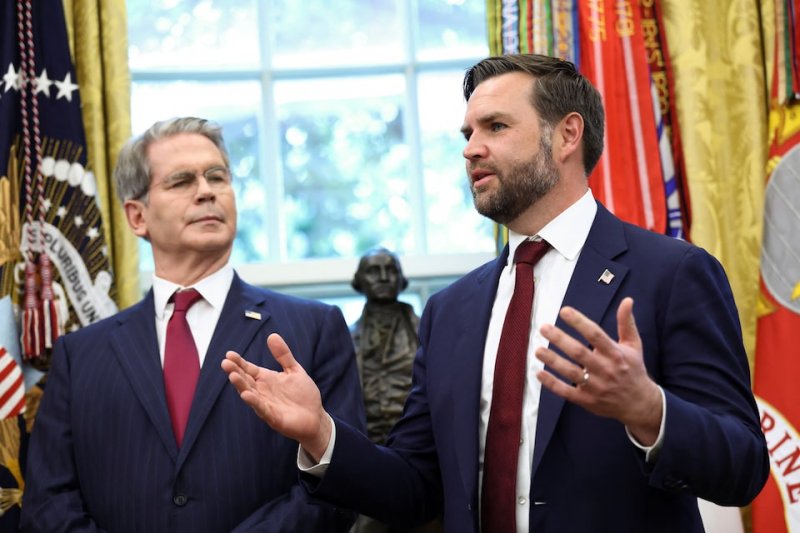
In the rapidly evolving world of artificial intelligence and automation, recent high-level discussions have highlighted the pressing concerns regarding the security of AI models and their implications for cybersecurity. U.S. Vice President JD Vance and Treasury Secretary Scott Bessent convened a meeting with prominent tech leaders, including Dario Amodei of Anthropic, Sundar Pichai of Alphabet, Sam Altman of OpenAI, and Satya Nadella of Microsoft, among others. This meeting coincided with the anticipation surrounding Anthropic’s launch of its latest model, Claude Mythos, raising vital questions about AI’s future in both technological advancement and cybersecurity.
Anthropic’s decision to delay the wide release of the Claude Mythos model underscores a cautious approach to innovation. Amid fears that advanced AI could reveal previously unknown cybersecurity vulnerabilities, accessibility has been restricted to a select group of approximately 40 industry luminaries. This limitation not only reflects the growing wariness about the potential misuse of AI technologies but also draws attention to the broader landscape of AI model security.
When considering the strengths and weaknesses of platforms such as OpenAI and Anthropic, several key factors come into play. OpenAI, which has gained significant traction with its GPT models, offers highly versatile natural language processing capabilities. It has proven effective in numerous applications, ranging from customer service bots to content creation tools. However, concerns around costs and ethical implications remain prevalent. The deployment of OpenAI’s solutions can be elaborate, and for small to medium-sized business (SMB) leaders, the ROI must be measured against these potential downsides.
Conversely, Anthropic’s approach appears more conservative, particularly considering the recent launch of Claude Mythos. By focusing on safety and security, Anthropic aims to minimize risks while providing robust AI capabilities. While the potential for innovation remains high, the need for stringent oversight in the deployment of AI models is a clear takeaway. Businesses that prioritize cybersecurity could find value in engaging with platforms that are more attuned to these security concerns, albeit potentially at a higher upfront cost.
Another significant comparison can be drawn between automation platforms such as Make and Zapier. Make offers a more visual, workflow-centric experience, allowing users to easily map out and execute automation processes. This can be particularly beneficial for SMBs looking to streamline operations without extensive technical knowledge. However, its complexity can also pose challenges for those unfamiliar with automation technologies.
On the other hand, Zapier’s user-friendly interface has garnered a strong following, leading in the automation sector with a vast library of integrations. It empowers users to quickly set up automated tasks across various applications. Nevertheless, there are limitations in terms of customization and flexibility compared to more complex platforms like Make. Small businesses must assess which tool aligns best with their specific operational needs and technical capabilities, thereby ensuring a higher ROI through enhanced productivity.
Both platforms come with their own cost structure. While Zapier tends to position itself at a lower price point for basic functionalities, advanced features can escalate expenses. Make often presents a more predictable pricing model with a comprehensive set of functionalities that can be more cost-effective in the long run for businesses seeking robust automation solutions.
From a scalability perspective, businesses must factor in their growth trajectory. OpenAI and Anthropic both offer potential to scale operations rapidly, but customer engagement and aligning AI capabilities with business objectives will be critical. On the automation front, both Make and Zapier provide opportunities to grow operational capacity without necessitating drastic overhauls to existing workflows.
The intersection of AI development and cybersecurity is further complicated by the growing number of cyber threats in the digital landscape. As seen from the recent meeting involving top technology executives and government officials, there is an increasing realization that enhancing AI capabilities must go hand in hand with robust security measures. For SMB leaders, the crux of the matter lies in finding a balance between harnessing the potential of AI and automating processes while safeguarding their digital assets.
Recommendations for SMB leaders include conducting thorough evaluations of both AI and automation platforms, focusing on their unique needs, growth plans, and security considerations. Engaging with platforms that offer strong support in terms of cybersecurity can yield significant long-term benefits. Additionally, investment in training and upskilling teams around these technologies will maximize the benefits of new tools and platforms.
Ultimately, the landscape of AI and automation is continuously shifting. The current discussions about platform security and capabilities signal an evolving industry where apprehension must be managed against the drive for innovation.
FlowMind AI Insight: As the complexities of integrating AI and automation into business operations increase, leaders must prioritize security in their technological choices. Investing in platforms that balance innovation with robust cybersecurity features will be critical for driving sustainable growth and ensuring operational resilience in an unpredictable environment.
Original article: Read here
2026-04-10 21:16:00