
Designing, deploying, and monitoring an AI-powered automation for a small or mid-size business requires a structured approach. The following tutorial provides step-by-step instructions specifically tailored for operations managers who may not have a background in development but need to leverage automation effectively.
Before beginning, it’s crucial to establish prerequisites. Identify the specific processes that could benefit from automation. This could be customer support, appointment booking, or lead generation. Next, review your existing software ecosystem to ensure compatibility with potential AI solutions. This often includes customer relationship management (CRM) systems, email platforms, or data analytics tools. Ensure that you have access to relevant datasets, as these will be essential for training the AI model.
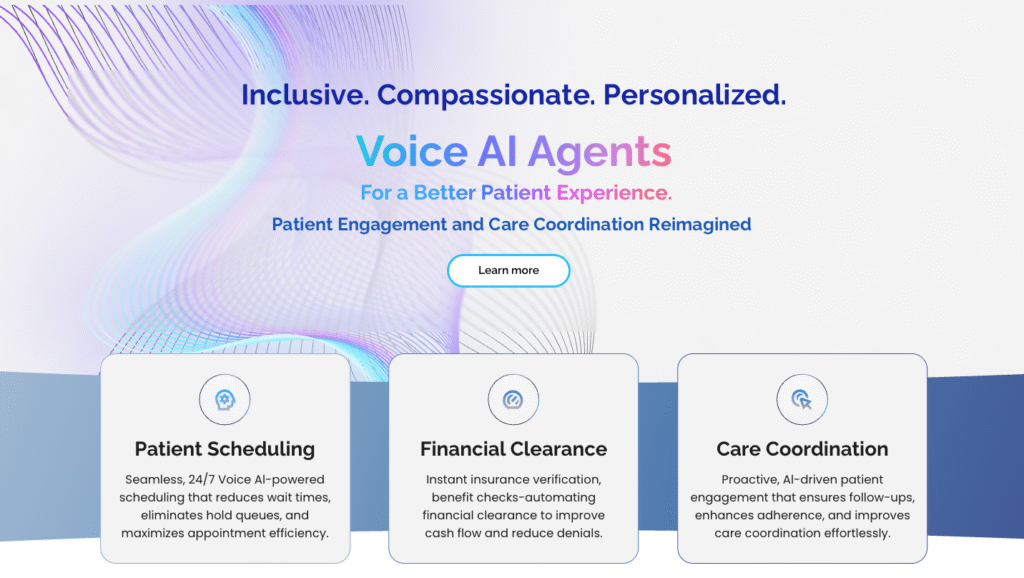
Once the prerequisites are covered, the first step in configuration is to select the right AI automation tool. Various platforms provide comprehensive solutions with user-friendly interfaces. Examples include chatbots for customer support or scheduling agents that can interface with your calendar systems. After selecting a tool, follow the setup instructions provided by the vendor. Most platforms require you to create an account and link any existing systems.
Next comes the data input phase. You’ll need to configure the AI model by feeding it historical data relevant to the processes being automated. For example, if you are implementing a scheduling agent, upload historical appointment data along with customer interaction logs. Ensure that the dataset is clean; this means no duplicates, errors, or irrelevant information.
After your AI tool is configured and data is uploaded, it’s time to test the automation before full deployment. Start with a limited audience, such as internal employees, to monitor its performance. During this phase, check for accuracy in scheduling and response times. Gather feedback about the interactions and iterate on your model as needed, fine-tuning it based on real-world usage and insights.
Monitoring the AI system is critical post-deployment. Many platforms offer built-in analytics dashboards to track performance metrics in real time. These metrics can include user engagement rates, task completion times, and overall satisfaction. Conduct regular check-ins to adjust settings and include new data inputs, which will help improve the AI’s responsiveness.
Now, addressing potential issues is essential. Error handling can often be overlooked, but it’s a vital part of maintaining your AI automation. Ensure that there are fallback mechanisms for common errors. For instance, if the scheduling agent fails to access the calendar, it should notify a human operator. Establish a clear protocol for logging errors to make troubleshooting manageable and efficient.
Consideration of security, data retention, and privacy requirements must also play a central role in your automation strategy. Ensure that the chosen AI solution complies with regulations relevant to your industry, such as HIPAA for healthcare providers. Data retention policies should outline how long you will keep data and when it will be securely deleted. Privacy practices must include explicit consent from users regarding the handling of personal data.
Vendor lock-in is another important factor. Some automation solutions can restrict your ability to migrate to other platforms in the future. To mitigate this risk, choose a provider that supports open APIs and data export capabilities. This guarantees that should the need arise, you can transition to a different solution with minimal friction and data loss.
Estimating ROI is essential for justifying the investment in AI automation. Start by calculating how much time and resources the automation will save compared to manually handling tasks. This includes calculating reduced labor costs, improved service speed, and enhanced customer satisfaction, which can lead to increased revenue. Track these metrics over the first year to assess the ongoing value of your investment.
Ongoing maintenance of the AI system involves routine checks and updates to maintain performance. Be prepared to allocate budget and resources for continuous learning and improvement needs, such as retraining the model with new data patterns. This will ensure that your automation remains relevant and effective in a rapidly evolving market.
FlowMind AI Insight: Embracing AI-powered automation in small or mid-size businesses is not just an operational upgrade but also a strategic investment. By following a structured approach and paying close attention to security, privacy, and ROI, businesses can effectively leverage technology to enhance efficiency and improve customer experiences while minimizing risks.
Original article: Read here
2025-10-13 22:17:00