
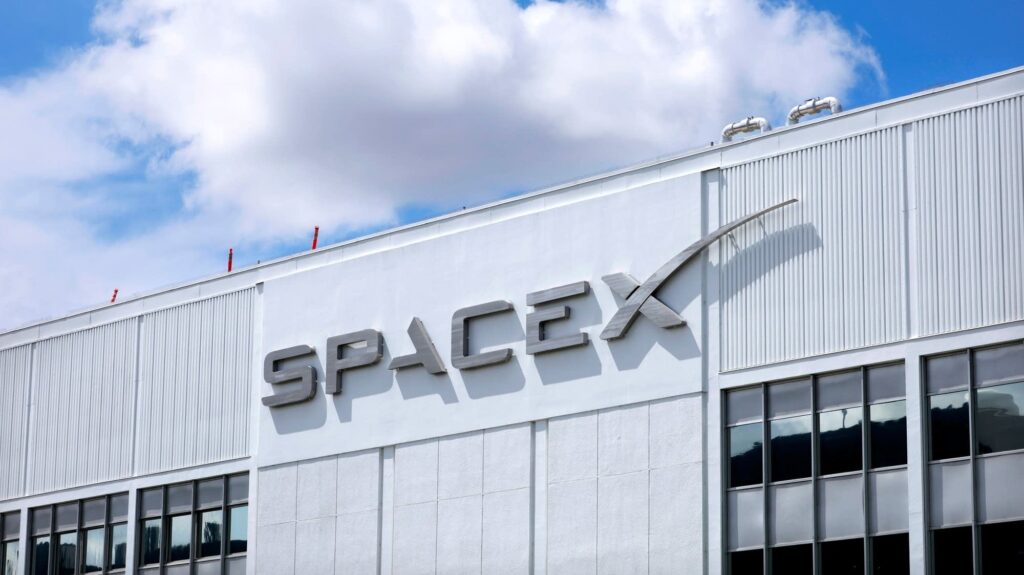
In recent years, the landscape of initial public offerings (IPOs) has seen a notable slowdown, particularly among tech firms that once generated significant attention and hype, reminiscent of companies like Facebook and Uber. However, as the market increasingly opens up to speculative possibilities, three major players in the artificial intelligence sector—SpaceX, Anthropic, and OpenAI—are set to make significant strides in the public market in 2026. Understanding the implications of their IPOs not only sheds light on the tech landscape but also presents an opportunity for SMB leaders and automation specialists to reevaluate their tools and strategies.
The landscape of AI is characterized by rapid innovation and substantial venture capital backing. All three companies have already made headlines through extensive funding rounds, raising billions from private investors. Nevertheless, as they prepare for their public debuts, the rationale for this transition reveals critical insights into their operational needs and market positioning. The growing investor interest in AI reflects a sector that continues to promise high returns despite a general trend of risk aversion in the current investment climate.
In this context, we should delve into the comparative strengths and weaknesses of leading AI and automation platforms, such as OpenAI and Anthropic, while drawing parallels with automation tools like Zapier and Make. OpenAI has garnered significant acclaim for its language models, particularly ChatGPT, which offers versatile applications across numerous industries. With its wide adoption and rich ecosystem of integrations, it presents itself as a clear leader in the AI space. Yet, OpenAI’s reliance on a subscription model could raise costs for some SMBs that require scalable solutions—particularly in scenarios where high-volume queries or customized applications are needed.
On the other hand, Anthropic has positioned itself as a strong contender with its AI platform Claude, focusing on safety and alignment in AI systems. This particular emphasis could resonate with SMBs concerned about compliance and ethical considerations in automation. However, compared to OpenAI, Anthropic currently lacks the same breadth of foundational integrations and user community, which could hinder immediate uptake by smaller enterprises. The perception of safety and reliability, although extremely valuable, will be crucial in its ability to scale and provide a competitive ROI.
When it comes to automation platforms, the comparison between Zapier and Make is equally illustrative. Zapier, a market leader, boasts a user-friendly interface with a vast array of integrations, making it a go-to choice for many SMBs. Its pre-built templates and comprehensive documentation facilitate quicker onboarding and operational efficiency. However, the cost can escalate quickly when automating complex workflows, placing it out of reach for some smaller companies.
Conversely, Make, formerly known as Integromat, allows for more advanced automation scenarios with a relatively lower cost structure, especially for businesses that require multi-step integrations. Its visual interface offers greater flexibility in designing workflows, which may appeal to SMBs with more complex operational needs. While Zapier’s reviews tend to reflect its user-friendliness, Make appeals to a different audience by offering capabilities that are broader and deeper in scope.
As SMB leaders and automation specialists evaluate these platforms, understanding the specifics is vital. The total cost of ownership, including both monetary costs and the investment of training and adaptation time, will influence ROI significantly. For example, while Zapier may appear more expensive upfront, its ease of use can lead to faster implementation periods and less need for ongoing technical support. In contrast, Make may require a steeper learning curve but could yield long-term savings in terms of capability and functionality.
The broader economic context cannot be ignored. The anticipated rise in interest rates raises questions about the timing of IPOs and public investments. Steven Blitz of GlobalData T-S Lombard suggests that current market conditions may represent one of the most favorable moments to go public, a compelling argument for these tech firms to capitalize on heightened interest before lending costs escalate. This could translate to higher prices for services and less room for negotiation or cutting costs when it comes to automation and AI solutions.
In summary, the impending IPOs of SpaceX, Anthropic, and OpenAI signify more than just financial milestones; they represent transformational moments in the AI landscape. As SMB leaders consider adopting AI and automation tools, the choices between platforms like OpenAI, Anthropic, Zapier, and Make require careful analysis. Each option presents unique strengths and weaknesses, impacting not just immediate financial considerations but also long-term strategic capabilities.
FlowMind AI Insight: As the market prepares for major tech IPOs, SMB leaders must proactively assess their automation capabilities against the evolving landscape. Leveraging the right tools now can build a competitive edge, ensuring readiness for the advancements driven by these AI pioneers while aligning with long-term operational goals.
Original article: Read here
2026-04-08 21:32:00