
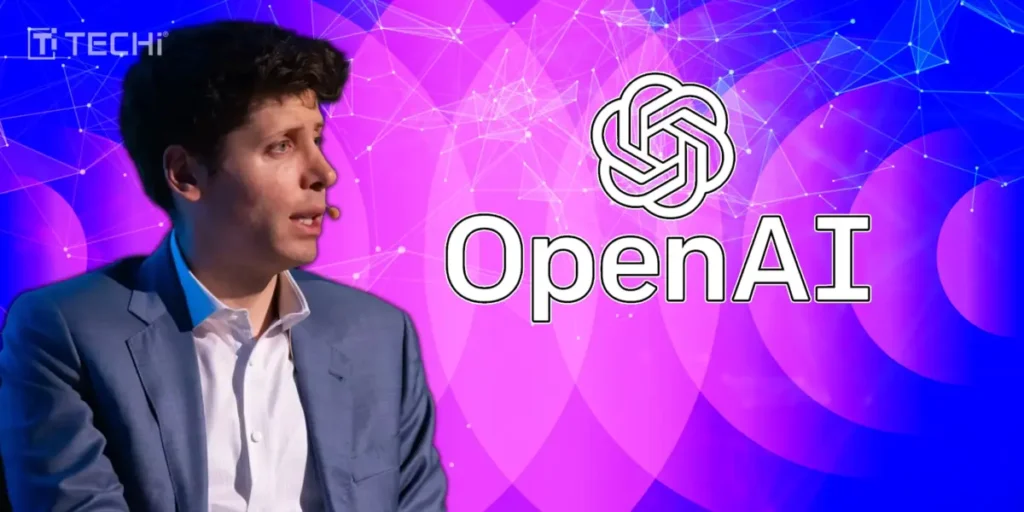
Sam Altman’s brief removal from his position as CEO of OpenAI in 2023 sent shockwaves through the artificial intelligence landscape. During an unexpected period of turmoil, discussions surrounding a potential merger between OpenAI and its rival Anthropic surfaced. This revelation, brought to light by Ilya Sutskever during a court case involving Elon Musk, underscores the complexities and shifting alliances that characterize the rapidly evolving AI sector.
Analyzing the implications of such a merger requires an exploration of the strengths, weaknesses, costs, ROI, and scalability of both OpenAI and Anthropic. OpenAI has positioned itself as a leader in AI development, with its GPT models setting industry benchmarks in language processing and machine learning capabilities. Sutskever’s insights indicate that even among its board, there was significant discontent concerning the trajectory of the organization, particularly regarding perceived financial motivations linked to Microsoft.
On the other hand, Anthropic, founded by former OpenAI members, prioritizes alignment and safety in AI development. Their focus on developing AI that is interpretable and controllable aims to mitigate potential risks associated with advanced AI deployments. The philosophical divergence between the two organizations—OpenAI’s seemingly profit-driven strategy versus Anthropic’s commitment to ethical AI development—was central to the discussions about a potential merger. Notably, while some board members found merit in joining forces with Anthropic, Sutskever voiced his concerns over such an alignment, signaling apprehension about blending divergent corporate philosophies.
From a business perspective, the financial implications of merging these two organizations could have been substantial. Anthropic’s valuation is considerable, particularly in light of its recent funding rounds, making a merger a financially complex and potentially risky endeavor. Furthermore, by combining resources, both entities could leverage greater market access and shared technological advancements. However, the dialogue quickly disintegrated due to substantial risk factors that Anthropic presented, indicating strategic foresight and caution amid the turbulence.
For leaders of small to medium-sized businesses (SMBs) and automation specialists, examining the tooling that these organizations provide is critical. When comparing platforms such as OpenAI’s offerings and Anthropic’s emerging capabilities, it becomes essential to assess each platform’s return on investment (ROI), deployment costs, and scalability.
OpenAI, for instance, boasts a robust infrastructure for developing natural language processing applications. Its pricing model can be a barrier to entry for some SMBs, especially those with budget constraints. However, the potential for increased productivity and enhanced customer engagement through powerful AI applications often justifies the investment. The flexibility to integrate with existing workflows gives OpenAI a scalability edge that could significantly benefit organizations looking to streamline operations and enhance user experience.
Conversely, while Anthropic’s focus on ethical AI could resonate well with progressive SMBs, its offerings are still developing and may not yet match the breadth of capabilities available through OpenAI. Furthermore, Anthropic’s efforts to create safer AI systems may incur higher initial costs due to prolonged development and compliance processes. Therefore, businesses must weigh the benefits of investing in a potentially safer but less established alternative against the proven results of established products.
In terms of ROI, organizations must consider their specific objectives when evaluating these AI platforms. For example, if a company aims to revolutionize customer service with conversational AI, OpenAI’s robust models provide a comprehensive solution with immediacy and proven efficacy. Alternatively, organizations prioritizing long-term ethical considerations may see greater alignment with Anthropic, making their offerings more valuable in the long run despite slower development.
Beyond the technical capabilities, the ongoing legal disputes and public tensions between major players in the AI space, exemplified by the rift between Altman and Musk, further complicate the landscape. Such conflicts may create instability that could impact the reliability of these platforms in the eyes of potential partners and clients. Consistent and predictable service is paramount in maintaining partnerships, and frequent upheavals may deter businesses from basing essential operations on these platforms.
In conclusion, as AI continues to disrupt and redefine industries, leaders must engage in comprehensive evaluations of various platforms, weighing the strengths and weaknesses of each. The interplay between ethical considerations, robustness of technique, organizational alignment, and financial feasibility will shape strategic decisions moving forward. Engaging with established and emergent companies in the AI sphere is not just a matter of technology but also one of philosophy and vision.
FlowMind AI Insight: As AI capabilities evolve, SMB leaders must balance technological innovation with ethical considerations, emphasizing the importance of aligning platform choices with organizational values and long-term goals. The intricate dynamics between OpenAI and Anthropic exemplify the necessity of thorough evaluation and strategic foresight in adopting AI solutions.
Original article: Read here
2025-11-04 19:21:00