
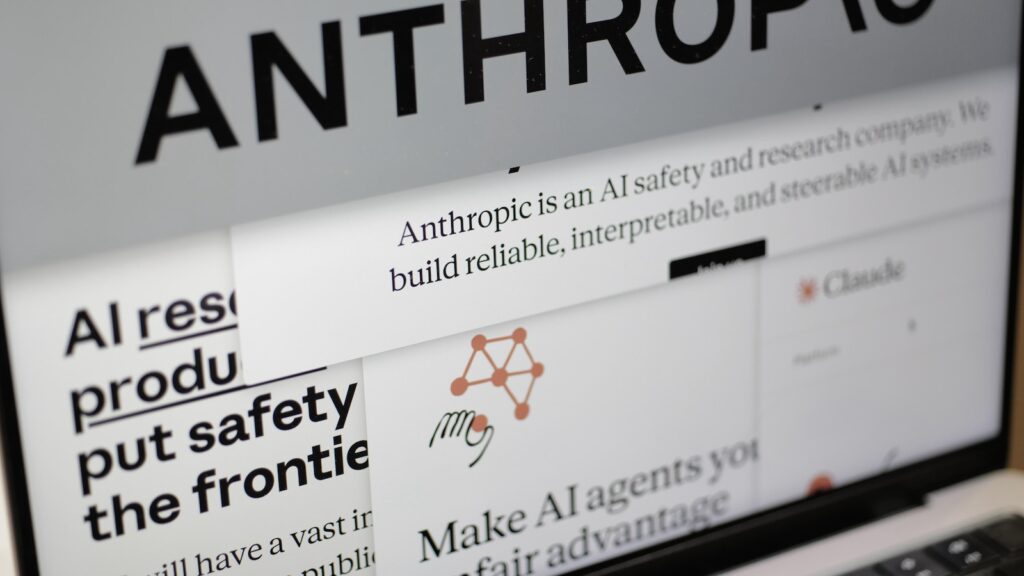
The recent partnership between Anthropic and Amazon Web Services (AWS), involving an investment of over $100 billion over the next decade, underscores the competitive dynamics in the artificial intelligence (AI) landscape. As SMB leaders and automation specialists, it is essential to critically evaluate the implications of such collaborations for business operations and technology investments. This article explores the strengths and weaknesses of leading AI platforms, specifically comparing Anthropic’s Claude and OpenAI’s offerings while also touching upon the implications of large-scale partnerships in the AI sector.
At the heart of this agreement is Anthropic’s ambition to enhance the capabilities of its Claude chatbot through substantial computational resources. The deal will allow Anthropic to leverage up to 5 gigawatts of Amazon’s Trainium chips, aimed at optimizing the performance of their AI models. This significant hardware investment can create a competitive advantage, as custom AI silicon generally offers higher efficiency at lower costs than generic alternatives. Companies utilizing Claude are likely to benefit from these performance improvements, which could translate into better customer engagement and faster decision-making processes.
In contrast, OpenAI’s models, including ChatGPT, have demonstrated robust performance across various applications, establishing a benchmark for generative AI. OpenAI has utilized an innovative engagement strategy, with its models integrated into versatile platforms like Microsoft’s Azure. By embedding AI tools into everyday applications, OpenAI effectively lowers the barrier to entry for SMBs looking to experiment with automation.
When evaluating the cost implications, the investment from Amazon is particularly noteworthy. Amazon’s initial $5 billion investment, alongside a potential future commitment of $20 billion, positions Anthropic to aggressively scale its operations. This type of financial backing can bolster research and development, resulting in quicker iterations and feature additions that meet market demands. Comparatively, OpenAI has historically faced discussions around monetization strategies, often relying on partnerships to drive growth and access.
The return on investment (ROI) of deploying these AI platforms can significantly vary depending on organizational goals. For businesses focused on enhancing customer interaction, Claude’s newly enhanced capabilities could offer a more tailored approach. However, the operational requirements and the associated costs of integrating a tailored solution must be carefully considered. OpenAI’s models may provide a more general-purpose tool that can easily be harnessed across various departments, leading to quicker democratization of AI within organizations.
Scalability is another essential consideration as SMBs evaluate these AI solutions. Anthropic’s partnership with AWS promises seamless integration, empowering 100,000 customers to utilize Claude models directly through the AWS cloud. This distribution can enhance the scalability of AI applications and democratize access to powerful tools that were once only accessible to larger enterprises. In comparison, OpenAI has continued to expand its infrastructure but may not yet boast the same level of tailored support and resources that AWS can offer Anthropic in this new partnership.
However, potential risks accompany such partnerships. The recent legal and governmental scrutiny of Anthropic raises questions about the regulatory landscape for AI technologies. The firm faces ongoing challenges regarding compliance, especially following incidents where the U.S. government restricted the military from using Anthropic’s technologies. This type of governmental regulation could pathologize investment confidence in specific AI providers, potentially disrupting their market value and operational capabilities. OpenAI has also faced its challenges regarding ethics and responsible usage, highlighting that leaders in AI must not only innovate but also navigate increasingly complex governance frameworks.
In conclusion, as SMB leaders consider the deployment of AI and automation platforms, it becomes crucial to perform a comprehensive analysis of the respective strengths, weaknesses, costs, ROI, and scalability of these technologies. While Anthropic offers an intriguing partnership with AWS that promises substantial resources, OpenAI’s established presence and general-purpose applications remain strong contenders in the AI landscape. The choice between these platforms will depend heavily on organizational goals, required functionality, and the regulatory environment affecting AI integrations.
FlowMind AI Insight: As the competition among AI providers intensifies, leveraging partnerships can be a pivotal strategy for growing companies. Organizations must weigh performance, investment requirements, and potential regulatory challenges when choosing between emerging technologies to ensure alignment with their strategic objectives.
Original article: Read here
2026-04-21 15:35:00