
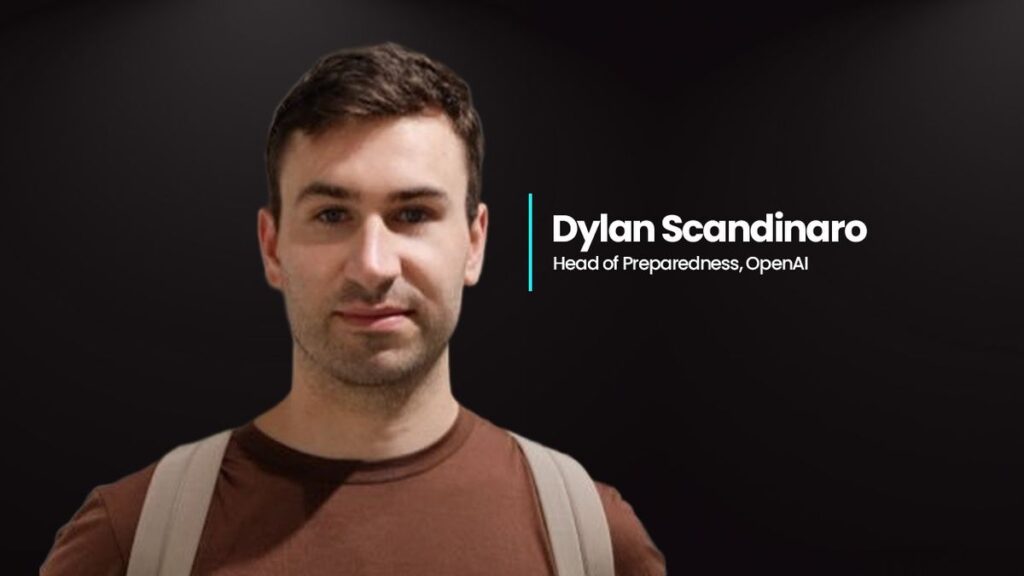
The recent hiring of Dylan Scandinaro by OpenAI as Head of Preparedness from rival Anthropic exemplifies the ever-evolving landscape of artificial intelligence and automation, particularly in relation to safety and risk management. As AI systems become increasingly powerful, companies are racing to not only develop advanced capabilities but also to ensure these developments adhere to stringent safety protocols. This situation brings to the forefront a critical analysis of AI and automation platforms, comparing their strengths, weaknesses, costs, and scalability.
OpenAI, renowned for its natural language processing and generative AI capabilities, has positioned itself as a leader in the AI space. This leadership, however, does not come without its challenges. The firm has consistently attracted scrutiny regarding the ethical deployment of its technologies and the associated risks. By appointing Scandinaro, who previously worked at Anthropic—an organization recognized for its strong focus on safety protocols—OpenAI appears to be doubling down on its commitment to risk management as it prepares for the deployment of more powerful AI models.
In light of these developments, it is essential to analyze the competitive dynamics between OpenAI and Anthropic. OpenAI’s generative models like ChatGPT are highly regarded for their versatility and wide-ranging applicability in various industries, including customer service automation, content creation, and data analysis. However, the inherent complexity and scale of OpenAI’s systems incur considerable operational costs. For businesses, the return on investment (ROI) can be significant, but it varies widely depending on application and execution. For example, the average cost of implementing OpenAI’s API can be steep, often requiring a dedicated strategy to fully leverage its capabilities.
On the other hand, Anthropic has differentiated itself by emphasizing ethical AI development and safety measures from its inception. Companies considering this platform typically benefit from a more prescriptive framework geared toward risk mitigation. This focus may come at a slightly higher cost when compared to platforms with fewer safeguards; however, the long-term ROI may surpass that of less safety-focused alternatives. The potential reputational damage and operational hiccups associated with deploying poorly managed advanced AI systems underscore the importance of prioritizing safety in the selection of an AI vendor.
Comparing automation platforms like Make and Zapier further enriches this discussion. Make, renowned for its flexibility and integrative capabilities, allows users to connect various applications with a highly customizable approach. Conversely, Zapier excels in user-friendliness and has a more extensive library of pre-built integrations, which can reduce the time to deployment for small and medium businesses (SMBs). The selection between these tools often hinges on the specific operational needs of a business. A project requiring deep customization may find Make a better fit, while a company seeking quick automation solutions might prefer Zapier. Both platforms require careful consideration of their associated costs and scalability. Make generally offers a more favorable scalability model, enabling companies to expand their automation without significant cost increases, whereas Zapier’s pricing could become prohibitive as organizational needs grow.
Integrating AI with automation tools presents opportunities for profound efficiency gains. The ability to automate mundane tasks using platforms like OpenAI or Anthropic can free up human resources for more strategic initiatives. However, the complexities involved in integrating these technologies necessitate a cautious approach. Companies should carefully chart out their processes to mitigate the inherent risks of scaling automation. As organizations increase their reliance on AI systems, preparation for potential failures becomes crucial, aligning with Scandinaro’s new responsibilities at OpenAI.
In light of current trends, SMB leaders should prioritize companies that blend advanced technological capabilities with a robust safety and risk management framework. Investing in AI solutions that focus on ethical considerations will not only enhance operational efficiency but also build trust with consumers, a characteristic increasingly sought after in today’s competitive landscape.
In conclusion, as the race for AI dominance heats up, the distinction between rapid development and responsible governance will define market leaders. OpenAI’s strategic hiring of Dylan Scandinaro is indicative of a growing recognition that preparedness is essential for sustained success in the AI domain. Companies should take proactive steps to equip themselves with the insights and tools needed to navigate this intricate landscape effectively, ensuring they are ready to leverage AI responsibly and sustainably.
FlowMind AI Insight: As organizations increasingly adopt advanced AI and automation technologies, investing in robust risk management protocols will be crucial for long-term success. Leaders must remain vigilant and informed about the evolving capabilities and ethical considerations surrounding AI to harness its full potential while safeguarding their operations.
Original article: Read here
2026-02-04 07:05:00