
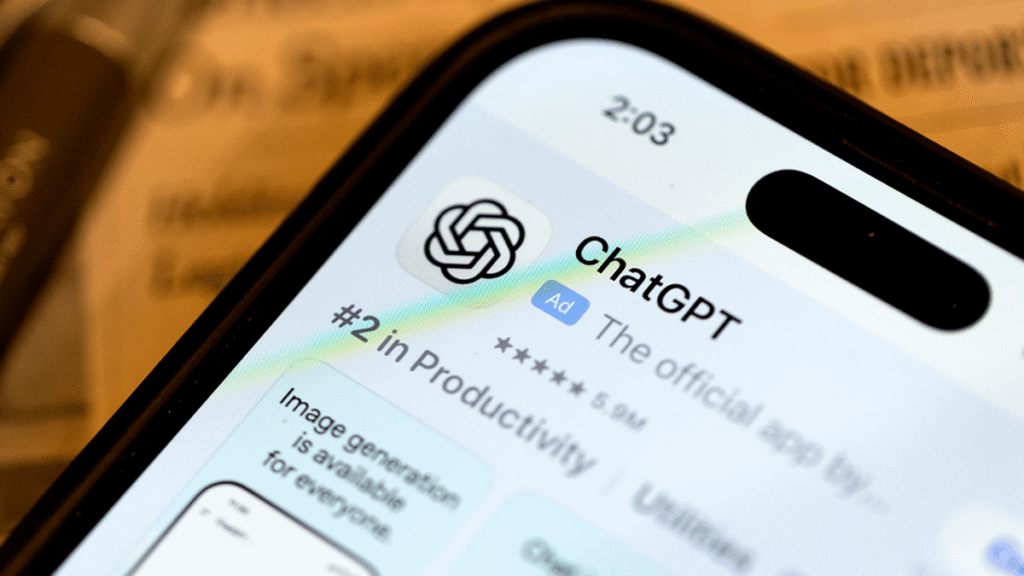
As AI technologies advance, with recent releases such as OpenAI’s latest ChatGPT model, concerns arise regarding the potential vulnerabilities these tools may create in cybersecurity frameworks. The launch of these sophisticated AI models could be seen as a double-edged sword; while they provide enhanced capabilities for legitimate purposes, they also empower malicious actors with unprecedented tools to exploit security weaknesses. The present landscape of cybersecurity now features a complex interplay between AI-driven innovations and the inevitable cat-and-mouse dynamic between hackers and security experts.
The advent of AI tools specifically tailored for cybersecurity professionals, exemplified by OpenAI’s GPT-5.4-Cyber model, aims to equip organizations with a strategic edge against cyber threats. This particular model offers reduced restrictions and improved functionality, supporting a more "ruthless" examination of potential vulnerabilities. The objective here is clear: businesses must absorb similar capabilities to those employed by attackers in order to mount an effective defense. This strategy draws on the inherent value of understanding the threat landscape through active engagement.
Despite these advancements, concerns remain surrounding the accessibility of such technologies. OpenAI’s CEO Sam Altman has previously warned about the possibility of a "world-shaking" cyberattack, acknowledging the risk that cutting-edge AI could inadvertently empower those with malicious intent. In this context, organizations must weigh the benefits of adopting these AI tools against the potential repercussions of misuse, especially when considering that access is currently limited to vetted entities.
Automation platforms like Make and Zapier further complicate this discussion. While tools like Zapier offer extensive integration capabilities with various applications and a user-friendly interface, Make distinguishes itself with its more sophisticated automation capabilities across multiple platforms. The choice between these platforms often hinges on organization size and specific automation needs. For smaller businesses with straightforward workflows, Zapier may provide sufficient functionality at a lower cost. However, as operations scale or become more complex, implementing Make might deliver a higher return on investment due to its capability for more advanced automations, albeit at a higher price point.
When assessing AI solutions such as OpenAI vs. Anthropic, organizations should consider specific use cases and functionality. OpenAI boasts extensive language models, providing businesses operational efficiencies through improved natural language understanding and generation. Anthropic, however, emphasizes ethical considerations and safer AI deployment protocols, appealing to businesses prioritizing responsible AI usage. The choice between these two offerings may reflect broader company values and risk tolerance when it comes to implementing AI technologies.
The return on investment for implementing these platforms, whether for cybersecurity enhancements or general automation, hinges on how effectively they can mitigate risks and improve productivity. According to research, businesses that adopt automation technologies can expect to see efficiency gains ranging between 20-30%. Furthermore, organizations that actively employ AI tools to fortify their cybersecurity architecture may save upwards of $11 million per data breach, factoring in costs associated with recovery, reputational damage, and customer trust erosion.
As the landscape evolves towards an increased reliance on both AI and automation, the future of cybersecurity must be approached with vigilance and preparedness. The risks associated with exposing advanced technologies, including the potential for a "quantum apocalypse" as highlighted by Google, necessitate a proactive strategy in building resilience within digital infrastructures. The ramifications of quantum computing could render current encryption methods obsolete, further integrating the need for AI-focused defensive measures.
In conclusion, organizations should prioritize a balanced approach when selecting AI and automation tools, ensuring that they align with their operational strategies while incorporating robust security measures. Conducting a thorough assessment of platform capabilities, usability, and scalability should inform procurement decisions. Additionally, investing in training and cybersecurity awareness initiatives will mitigate the risks associated with introducing powerful tools into the business environment.
FlowMind AI Insight: As the intersection of AI and cybersecurity continues to evolve, SMB leaders must focus on both the ethical deployment of these technologies and their inherent potential for risk. Strategic investments in scalable, secure AI solutions will not only enhance operational efficiency but will also deliver substantial returns in risk mitigation.
Original article: Read here
2026-04-20 14:09:00