
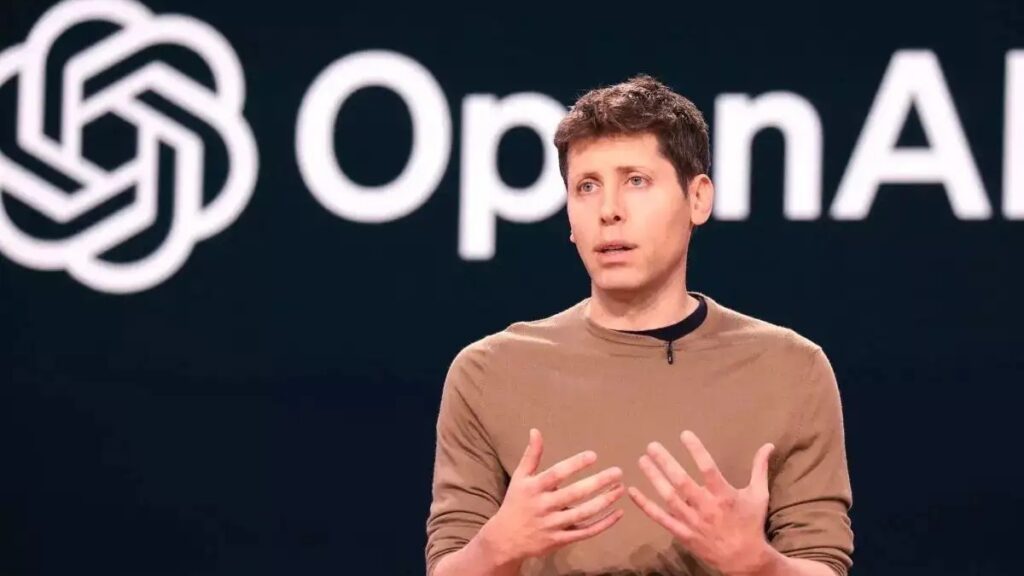
OpenAI’s recent appointment of Dylan Scandinaro as the new Head of Preparedness underscores the growing emphasis on safety and ethical considerations in the fast-evolving landscape of artificial intelligence. With years of experience at Anthropic, Google DeepMind, and Palantir, Scandinaro is well-positioned to guide OpenAI in balancing innovation with responsibility as it progresses toward artificial general intelligence (AGI). This strategic move signals not just an internal commitment to safeguarding technology but also a broader industry awareness of the potential ramifications of rapid AI advancements.
Sam Altman’s welcoming of Scandinaro highlights an imperative for organizations involved in AI development: the necessity for comprehensive risk management frameworks to accompany technological growth. As AI applications proliferate in various sectors, the imperative to ensure models align with human interests becomes paramount. Specifically, Scandinaro will lead OpenAI’s Safety Systems team, tasked with identifying and mitigating risks associated with advanced AI models. This role is crucial given recent discussions surrounding the ethical implications of AI, notably as they transition from theoretical frameworks to practical applications that could significantly influence societal functions.
The concept of a Head of Preparedness may seem novel, but it reflects a necessary evolution within tech companies, particularly as they grapple with the implications of their creations. The previous holder of this role, Aleksander Madry, shifted responsibilities within OpenAI, indicating an ongoing refinement of the position to better suit the growing challenges in the AI domain. The transition also comes on the heels of resignations, such as former OpenAI staffer Daniel Kokotajlo, emphasizing the urgent need for trusted leadership within organizations that shape our digital experiences.
In the broader context of AI and automation platforms, there are several key contenders that SMB leaders and automation specialists should consider. For instance, OpenAI and Anthropic represent two distinct yet comparable approaches to artificial intelligence, particularly in their commitments to safety and ethical standards. OpenAI’s emphasis on embedding safety protocols within its core mission contrasts with Anthropic’s approach, which tends to prioritize transparency and principled behavior in AI systems. This juxtaposition presents an important consideration for SMBs evaluating which platform to adopt.
When comparing tools like Make and Zapier for automation needs, organizations should assess their specific operational requirements. Make is known for its flexibility in handling complex workflows, making it an excellent choice for businesses with intricate processes. However, this complexity can also become a barrier for users who seek a more straightforward solution. On the other hand, Zapier excels in ease of use and rapid deployment, offering a robust ecosystem of integrations that can quickly address automation demands. Yet, its limitations in handling multifaceted scenarios may deter users in environments requiring extensive customization.
Costs also play a pivotal role in determining the best fit for a business. Make’s pricing structure tends to cater to more resource-intensive operations, while Zapier provides various tiers suitable for businesses at different stages of growth. In terms of return on investment (ROI), both tools have proven effective in streamlining workflows and increasing productivity. However, Make may yield higher long-term benefits for organizations willing to invest in comprehensive automation solutions, given its capacity for scalability.
Scalability itself is a critical factor as businesses anticipate future growth. The automation platforms must not only meet current demands but must also be viable as the organization expands. In this regard, both Make and Zapier offer pathways to scalability, albeit through different methodologies. Make’s modular approach allows teams to expand automation gradually by adding new modules, while Zapier’s extensive integration library makes it easier to adapt to changing needs with minimal friction.
Given these considerations, it is wise for SMBs to approach the selection of AI and automation tools with clarity and strategic foresight. It is essential to weigh the strengths and weaknesses of each platform in alignment with organizational goals and operational requirements. Consistent evaluation of technological advancements in the field, alongside proactive risk management strategies, can empower organizations to harness AI’s full potential while safeguarding their operational integrity.
As OpenAI moves forward with Dylan Scandinaro at the helm of preparedness, this shift emphasizes the importance of responsible AI development, underlining that technological advancement must be tethered to ethical considerations and safeguards. Given the transformative potential of AI across industries, those who prioritize not just innovation but also the responsible deployment of technology will be positioned to harness its benefits effectively and sustainably.
FlowMind AI Insight: The landscape of AI and automation is evolving rapidly, necessitating a strategic approach to tool selection that encompasses risk management and ethical considerations. By prioritizing these aspects, organizations can navigate the complexities of technology adoption while maximizing ROI and ensuring alignment with broader human interests.
Original article: Read here
2026-02-04 03:02:00