
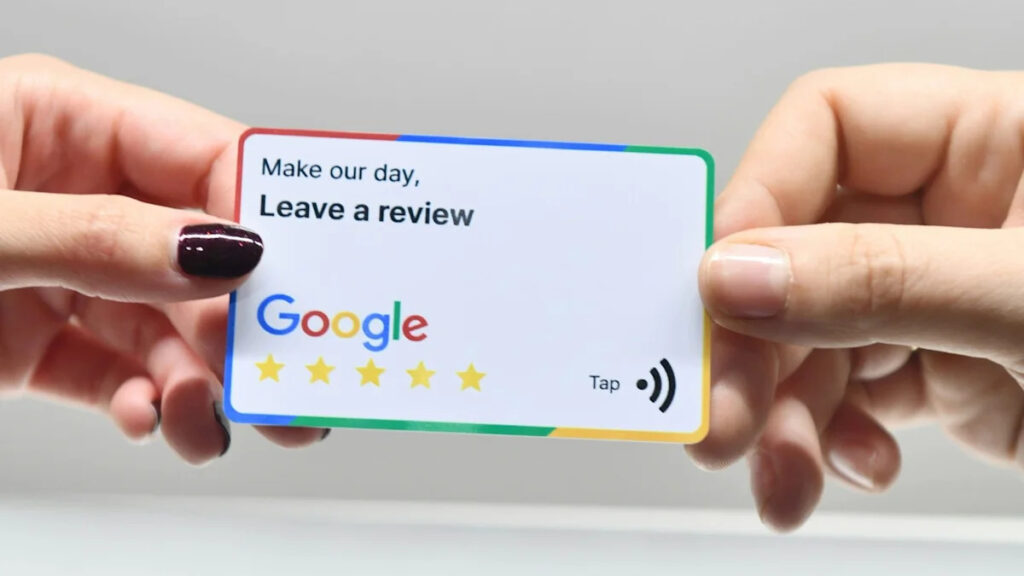
Fake reviews pose a significant threat to online shoppers, leading many to question the authenticity of products they’re considering. A recent study published in the International Journal of Information and Communication Technology introduces an AI-powered detection system that claims to not only identify these fraudulent reviews but also trace their origin and spread. This innovation highlights a critical gap in existing review detection technologies, which have largely concentrated on text analysis alone. The sophistication of fake reviews has evolved, incorporating misleading images and appearing more authentic, creating a dilemma for both buyers and reputable sellers.
Most current systems rely on textual analysis to flag potential fake reviews. While this method has been somewhat effective, it’s becoming increasingly inadequate. Fraudulent reviewers have started incorporating carefully crafted narratives alongside images that can mislead consumers. Consequently, systems built solely around analyzing text are unable to fully intercept this deceptive practice, leaving a considerable gap in protecting vulnerable shoppers from disappointing purchases.
The new study addresses these challenges by adopting a multifaceted approach. By utilizing two different techniques for text analysis—namely, a text convolutional neural network and pre-trained language models—the system can assess both superficial and deeper meanings within review content. Furthermore, it also examines reviewer behavior. For instance, fake accounts often feature default profile pictures and system-generated usernames, which can be flagged to omit the noise from genuine user activity.
In addition to text, the system evaluates review images separately through a residual network, a prevalent deep learning architecture used for processing visual content. By analyzing a combination of signals—text content, reviewer metadata, and review images—the system aims to produce a more accurate determination of review authenticity.
The innovation in this approach extends beyond simple identification. Once a review is deemed fraudulent, an advanced Transformer model comes into play, tracking the origins of the review and mapping its propagation across platforms. This dual-layer approach provides insights not only into which reviews are fraudulent but also into how widely misinformation can spread through networks. Preliminary tests using extensive datasets from JD.com indicate a recognition accuracy of around 94.2%, as well as a tracing accuracy of about 93.5%. This significant advancement advocates for a future where consumers can rely more heavily on product ratings.
When it comes to automation tools for small and medium-sized businesses (SMBs), this scenario can be likened to a comparison between popular AI platforms like Google Cloud AI and Microsoft Azure AI. Both platforms offer comprehensive tools for machine learning and data analysis, but they differ significantly in features, pricing, and overall user experience.
Google Cloud AI is typically favored for its user-friendly interface and extensive pre-built models. It provides a powerful suite of APIs for natural language processing, image recognition, and data analysis. Its integration capabilities with Google Workspace applications also streamline workflows for businesses already embedded within the Google ecosystem. However, while Google Cloud AI boasts easy-to-use features, its extensive capabilities often come with higher price points, depending on usage.
In contrast, Microsoft Azure AI has its strengths in versatility and flexibility. It offers comprehensive tools that cater to a wide range of industries and applications. Azure provides robust support for IoT and real-time analytics, making it a better choice for businesses looking to develop custom AI models. Its pricing structure is tiered based on usage, allowing smaller businesses to manage their budgets more effectively. However, Azure may have a steeper learning curve, which could present challenges to less tech-savvy teams.
Migration to either platform involves several critical steps. First, businesses should assess their current data and infrastructure; this will inform which platform’s features align better with their specific needs. The next step is to create a pilot program using a limited dataset to test functionalities and integrations while minimizing risks. For example, a company could select a low-stakes project to implement basic machine learning models to interpret customer feedback. This approach allows businesses to gradually acclimate to the new system, ensuring they are prepared for larger-scale automation.
When evaluating the total cost of ownership for deploying AI solutions, both Google Cloud AI and Microsoft Azure AI offer competitive pricing structures. Initial investments may vary based on data storage, computing needs, and tooling. Over a three to six month period, a business might expect an ROI stemming from enhanced efficiencies, reduced manual labor, and improved customer satisfaction, driven by more accurate product recommendations and insights.
Choosing between Google Cloud AI and Microsoft Azure AI ultimately depends on a business’s specific needs, existing infrastructure, and team capabilities. Google Cloud AI might better serve businesses already involved with Google products looking for a straightforward setup. Conversely, Azure may provide a better experience for those needing deep integrations, especially in environments leveraging Microsoft’s existing ecosystems.
FlowMind AI Insight: The evolution of AI detection systems parallels the advancements found in AI and automation tools for businesses. By continuously innovating in areas like review authenticity and broader operational processes, organizations can bolster their reliability and profitability over time. As technology advances, the choice of tools becomes crucial not only for immediate needs but for long-term business resilience.
Original article: Read here
2026-06-08 09:53:00