
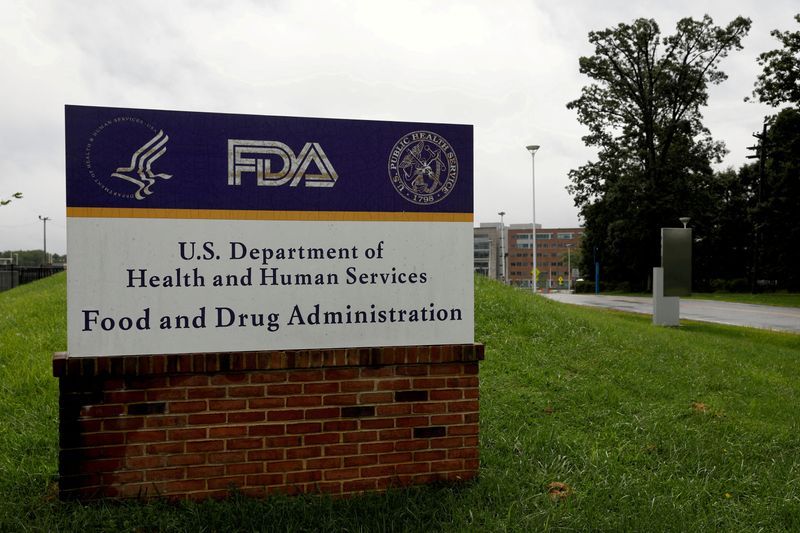
The increasing complexity and high costs of drug development present significant challenges for pharmaceutical companies. Recent innovations, particularly in artificial intelligence (AI), are poised to revolutionize how the industry approaches these challenges. With the U.S. FDA’s acceptance of an AI-based drug development tool for predicting drug-induced liver injury, the focus on AI in the pharmaceutical sector is more relevant than ever. This article will compare two prominent AI-driven tools for small to medium-sized businesses (SMBs) in drug development, looking at their features, reliability, pricing, integrations, and support, helping businesses make informed decisions about which tool to adopt.
One notable AI tool is Insilico Medicine’s Pharma-AI platform, which leverages deep learning algorithms to identify potential drug candidates. The platform focuses on precision medicine and employs a combination of data analytics, molecular simulations, and predictive modeling. The reliability of Pharma-AI is underscored by successful case studies; for example, it contributed to the rapid identification of compounds for COVID-19 in under a month, showcasing its effectiveness in urgent scenarios. However, the pricing model can be complex, often requiring a subscription fee that varies based on the extent of services. Many users report high satisfaction with onboarding support and consulting services, although the steep learning curve for some advanced features might challenge inexperienced teams.
On the other hand, Atomwise offers a different approach with its deep learning technology that predicts the binding of small molecules to proteins. Businesses can deploy Atomwise for lead compound identification effectively, particularly in early-phase drug discovery. Atomwise’s integration capabilities are robust; it can connect with several existing lab data systems, ensuring a streamlined workflow. Moreover, its pricing structure is more straightforward, typically based on usage, making it an attractive option for startups with limited budgets. The support team is well-regarded for its timely assistance, making Atomwise a reliable choice for companies needing quick responses to technical issues.
When considering which tool is the better option, it often depends on the specific needs of the organization. Companies focused on early-stage discovery and needing fast turnaround times may benefit more from Atomwise’s straightforward usability and effective integration capabilities. However, firms aiming for advanced predictive modeling and comprehensive analytics might prefer Insilico Medicine for its sophisticated offerings, despite its higher complexity and potential costs.
For companies considering a migration to these AI tools, the process generally involves several key steps. Initially, businesses should conduct a thorough needs assessment to pinpoint specific use cases. This can involve identifying pain points in their current drug development processes that these tools could address. After that, creating a pilot project with a limited scope involving both tools can mitigate risk. A small-scale implementation allows teams to evaluate individual performance in real-world conditions without committing extensive resources.
The total cost of ownership for these AI platforms can vary widely, impacting the expected return on investment (ROI). By estimating costs related to the software, training, and ongoing support, businesses can anticipate an ROI within three to six months if the tools effectively streamline their development processes and reduce the time to go from lab to market. For instance, if a tool reduces the time taken to identify viable compounds by even a few weeks, the cost savings in labor and resources can be substantial, making a compelling business case.
In conclusion, the choice between Insilico Medicine’s Pharma-AI platform and Atomwise will rely heavily on the specific needs and operational capabilities of the SMB in question. With the adaptability of AI tools, businesses in the pharmaceutical sector are now positioned to leverage technology in ways that were previously unimaginable. The ultimate objective remains the same: to enhance drug development efficiency while improving patient outcomes.
FlowMind AI Insight: Investing in AI-driven tools not only mitigates risks associated with traditional drug development but also aligns with the broader trend of digital transformation, positioning businesses to thrive in an increasingly competitive landscape. This proactive approach can transform current operational models and drive significant growth in the pharma industry.
Original article: Read here
2026-06-03 13:34:00